


NEW YORK (Realist English). US technology giant Apple has announced price increases across a wide range of products, including MacBook laptops, iPad tablets, HomePod smart speakers and the Apple TV set‑top box. The reason cited is an unprecedented rise in the cost of memory chips and storage, driven by the rapid expansion of data centres for artificial intelligence.
The changes took effect on June 25 in the company’s online store, and the increases have already been dubbed “unwelcome news” for consumers worldwide.
Reasons: AI Boom ‘Eating Up’ Memory
The main driver of the price hike is a shortage of memory chips (DRAM and NAND), caused by the rapid growth of AI infrastructure. Giants such as Nvidia and AMD are snapping up components for their AI chips, while memory manufacturers — Micron, Samsung and SK Hynix — are redirecting capacity to produce more expensive products for servers, leaving the consumer electronics market with a shortage.
According to Counterpoint Research, memory prices have quadrupled over the past three quarters. An Apple representative stated: “We have never seen component prices rise this quickly and this sharply.” CEO Tim Cook called the situation a “once‑in‑a‑century flood,” stressing that in 40 years of work he had never encountered anything like it.
“We have done everything possible to mitigate price increases for our customers, but now the situation has become unsustainable,” Cook admitted.
What Has Gone Up: From MacBook Neo to Vision Pro
The price increases have affected virtually all key product lines:
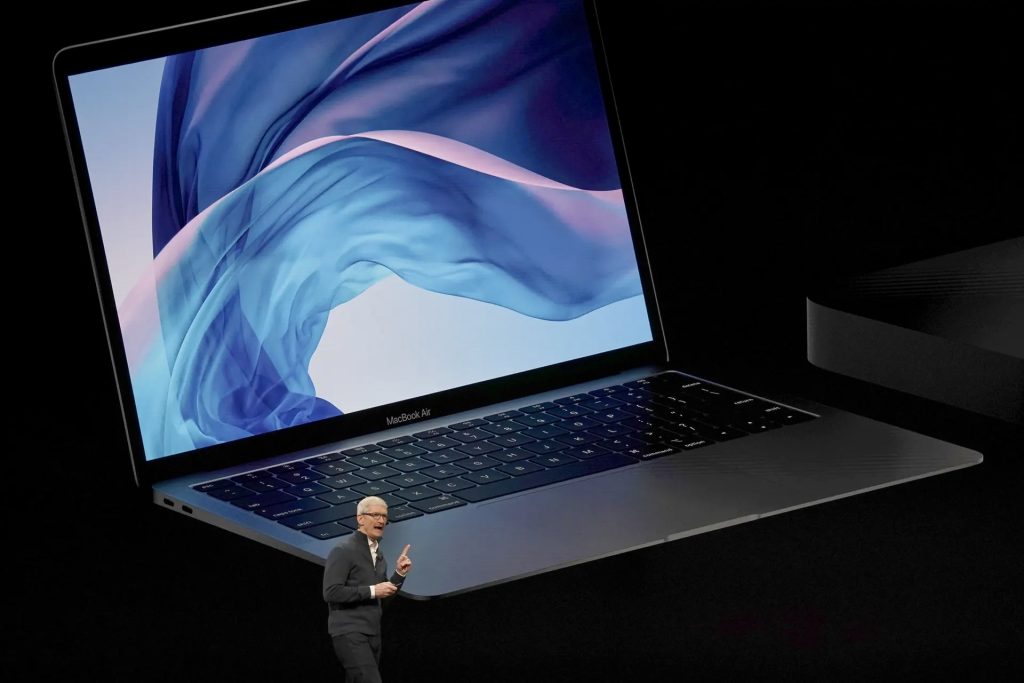
- MacBook laptops: The entry‑level MacBook Neo rose from $599 to $699. MacBook Air (512 GB) — from $1,099 to $1,299. MacBook Pro base configuration — from $1,699 to $1,999.
- iPad tablets: The cheapest iPad rose from $349 to $449. iPad Air — from $599 to $749. iPad Pro (256 GB) — from $999 to $1,199. iPad Mini received a $100 increase to $599.
- Other devices: Apple TV rose from $129 to $199. HomePod — from $299 to $349, HomePod mini — from $99 to $129. The Vision Pro headset now starts at $3,699 instead of $3,499.
- Prices for the iPhone, Apple Watch and AirPods remain unchanged for now.
Market Reaction and Forecasts
Investors reacted negatively to the news: Apple shares fell 5.3% to $277.67 — the biggest intraday drop in more than four months. Over the day, the stock lost 4.5%. IDC analysts expect the next step to be a price increase for the iPhone, with the rise potentially reaching $200 on Pro and Pro Max models.
In April, Apple already warned about rising memory costs, and this increase has been a “wake‑up call” for consumers.
Despite the price shock, Apple’s market capitalisation has risen 7.8% since the start of the year to $4.3 trillion. The company said it is “working tirelessly to find solutions,” but acknowledged that the “unwelcome news” is a reality that must be lived with.