


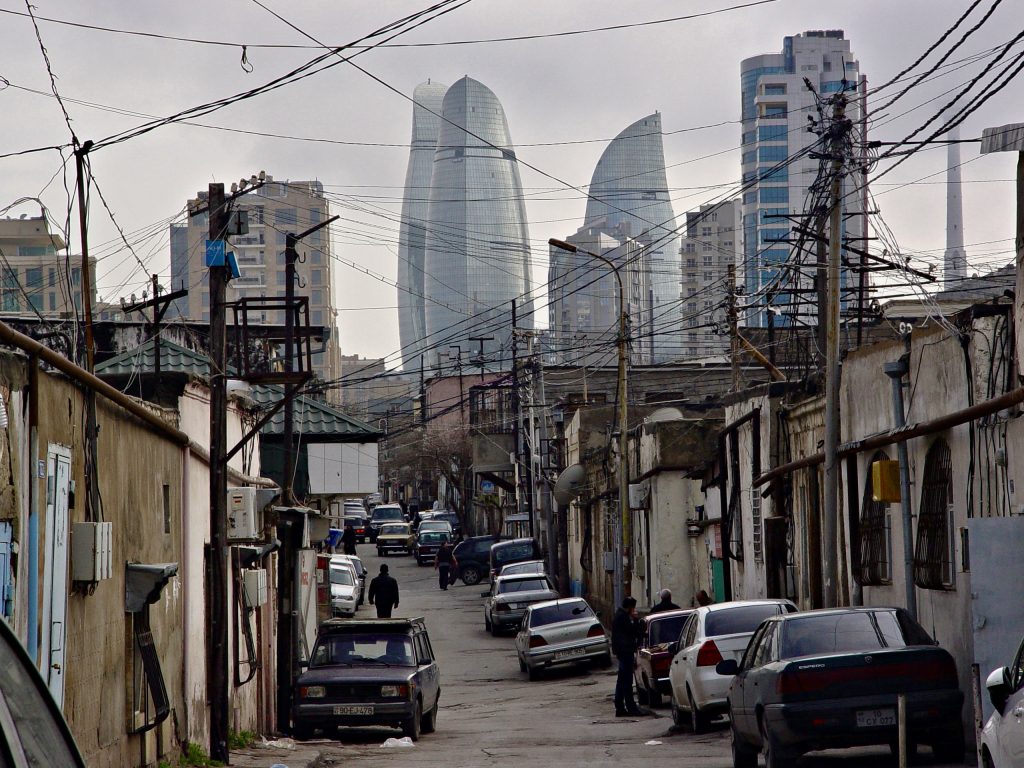
BAKU (Realist English). While official propaganda in Azerbaijan continues to report on successes and economic growth, voices from those who find themselves on the sidelines of “oil prosperity” are growing louder on social media and in opposition publications. An analysis of posts by independent journalists, bloggers and political prisoners paints a picture of a systemic crisis that, in their view, could lead to a social explosion.
Rising prices and hunger: “Prices are rising, people are on the brink of survival.”
One of the main topics of opposition bloggers is the catastrophic rise in prices for essential goods and utilities. Ali Kerimli, leader of the Popular Front Party, who is currently imprisoned, stressed in his address that literally everything is becoming more expensive in the country: electricity, gas, water, transport, fuel and food.
“This process has put the population on the brink of starvation,” the politician said. According to him, instead of creating jobs or raising salaries and pensions, “the regime is proposing measures aimed at forcing the hungry and poor to remain silent and not express protest.”

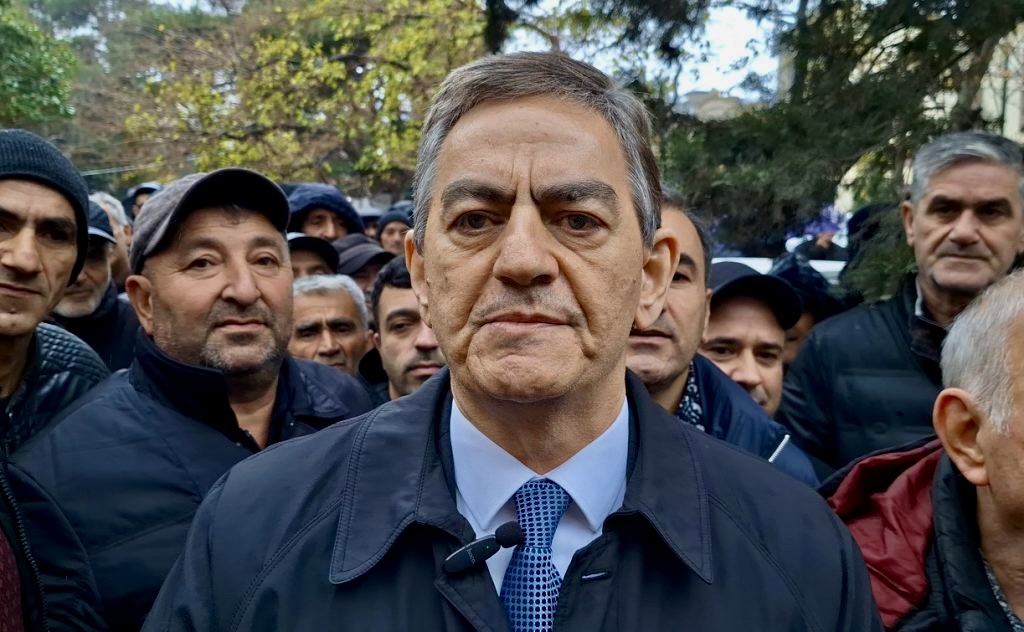
These words are confirmed by opposition figure Gulu Mammadli. In his observation, popular discontent is growing, as evidenced by hundreds of angry comments on social networks.
“People are no longer silent. That is why many pages have closed their comment sections. Even on Ilham Aliyev’s X page, comments are disabled,” Mammadli wrote. He added that after the war, the population expected an improvement in their lives, but in reality “the authorities have begun to ‘drink the blood of the people’ even more.”
Economic collapse: “Azerbaijan’s budget is a disaster scenario.”
The opposition is extremely skeptical about the authorities’ economic policies, predicting an imminent collapse. Opposition politician Fuad Gahramanly in his article called Azerbaijan’s budget a “disaster scenario.”
According to him, GDP growth in 2026 is promised at only 1%, and the real budget increase could be a paltry 22 million manats — less than the annual income of an average official. He also stressed that in terms of GDP growth, Azerbaijan lags behind Armenia by five times and Georgia by seven times, while on the other side of the Caspian, Kazakhstan demonstrates 11% economic growth thanks to consistent reforms.
Ali Kerimli from his prison cell made an even more serious accusation against the authorities. He stated that the national wealth of Azerbaijan is not used for the benefit of the people but for the enrichment of a narrow group of individuals.
“Azerbaijan’s oil and gas serve not the people, but the enrichment of a small group,” the politician said. As proof, he cited the fact that Baku still cannot solve the elementary problem of stormwater drainage, despite billions in oil dollars.
Kleptocracy and lack of social protection
Opposition figures also note that despite falling oil prices, the authorities are increasing the tax burden on citizens. Analytical material published in independent media reports that from 2026, Azerbaijan intends to strengthen its finances through a wave of tax reforms, including a gradual increase in income tax and the introduction of new insurance premiums even for the unemployed.
Gulu Mammadli called the authorities’ claims of $80 billion in reserves a myth, as over 30 years they have brought no benefit to the Azerbaijani people and will not help an economy that is “collapsing.”
Conclusion: the authorities have lost touch with the people and the ability to govern
All the analyzed opposition sources agree on one thing: the current authorities have lost the trust of the people and are unable to lead the country out of crisis. An Azerbaijani political scientist and commentator, commenting on the situation, stresses that a regime built on corruption and suppression of dissent cannot ensure prosperity.
According to the World Report 2026 prepared by Human Rights Watch, Azerbaijan continues to worsen its record on human rights, intensifying repression against independent media, political opponents and civil society, fostering an atmosphere of fear. In these conditions, the opposition believes, the only option left for the population is peaceful protests and demands for change, which are so far brutally suppressed.
“After some time, Azerbaijan will find itself in a very difficult situation. We are not saying this for nothing — economic indicators confirm our words,” Mammadli concludes.