


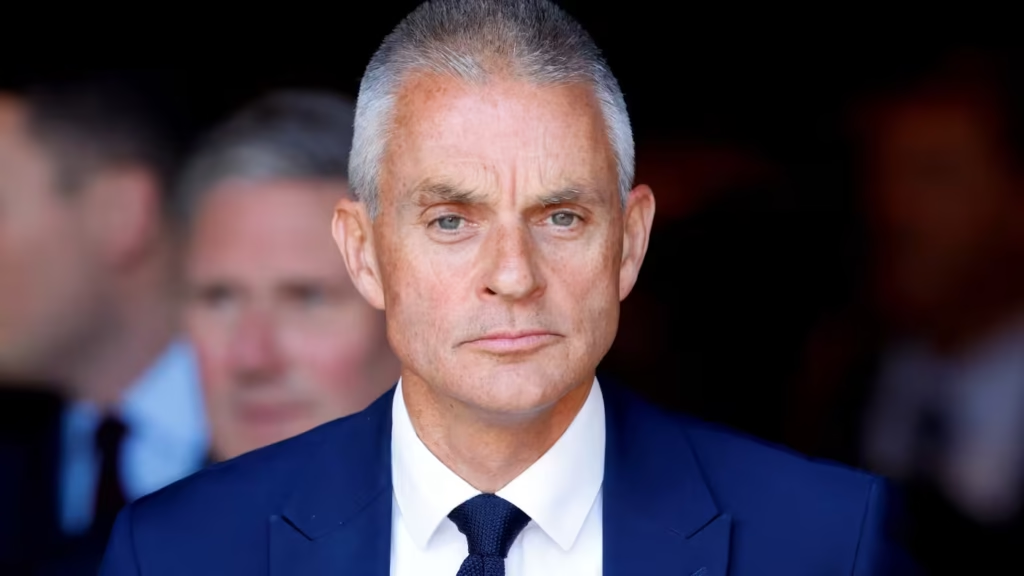
LONDON (Realist English). The BBC has entered one of the deepest crises in its modern history after Director-General Tim Davie and BBC News head Deborah Turness resigned on Sunday amid a scandal over the broadcaster’s handling of a documentary about Donald Trump.
The resignations followed days of mounting political and public criticism after it emerged that the Panorama programme on Trump’s January 6, 2021 speech contained misleadingly edited footage, sparking accusations of editorial bias and manipulation. The White House condemned the BBC as a “leftist propaganda machine,” while former Prime Minister Boris Johnson and Conservative leader Kemi Badenoch accused the broadcaster of institutional bias.
Davie, who led the BBC since 2020, told staff in an internal email that “mistakes had been made” and that the “current debate around BBC News” contributed to his decision to step down. Turness, who oversaw the Panorama team, said the controversy had “reached a stage where it is causing damage to the BBC” and accepted full responsibility.
The crisis was triggered by a leaked memo from Michael Prescott, a former adviser to the BBC’s standards committee, who accused senior management of ignoring repeated warnings about breaches of editorial integrity on coverage of Trump, Gaza, and gender issues. The memo specifically cited Panorama for splicing together quotes from different moments of Trump’s speech to suggest incitement to violence.
Trump responded on Truth Social, claiming BBC executives were “caught doctoring my very good (perfect!) speech” and branding them “corrupt and dishonest people.”
Despite backing from Labour culture secretary Lisa Nandy, Davie’s position became untenable as pressure mounted from politicians and within the corporation. His departure comes just months before the BBC begins critical charter renewal talks with the government, which may reshape its funding and public role.
Davie, nicknamed “Teflon Tim” for surviving multiple crises, will remain in office until a successor is appointed. His resignation, along with Turness’s, underscores a growing struggle over the BBC’s editorial independence, its political neutrality, and its place in a deeply polarized Britain.