


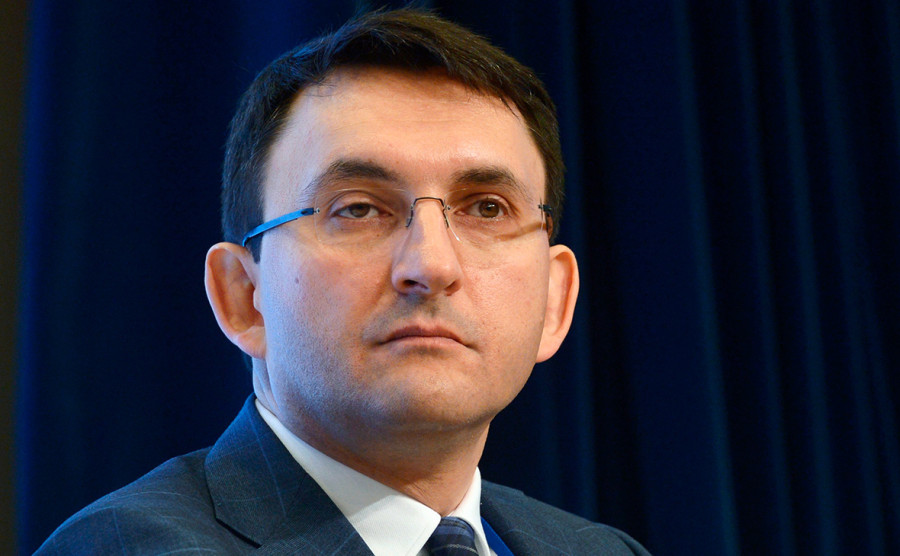
MOSCOW (Realist English). Russia’s federal media and telecom regulator Roskomnadzor (RKN) says platforms deleted more than 425,000 pieces of prohibited content in the first half of 2025, including child sexual abuse material, drug promotion, extremist material and disinformation, according to an interview its head Andrey Lipov gave to Izvestia.
Lipov said foreign apps remain the primary vectors for online crime targeting “the most vulnerable — the elderly and children,” and accused major platforms of ignoring lawful takedown orders. He added that Russia is “surgically” restricting specific functions used by criminals while keeping access to news and services.
Enforcement and platform compliance
- Telegram: 210,600 items removed this year, but 155,800 “dangerous publications” remain available, RKN says.
- YouTube: ~4,800 items removed; ~67,700 flagged items still live.
- Since 2021, courts have imposed more than ₽35.4 bn (≈$380 m) in fines on platforms for failure to remove banned content, the regulator said.
Anti-fraud and call controls
RKN’s Anti-Fraud system, launched in December 2022, now verifies 400–600 million calls daily and blocks 1–2 million spoofed calls per day across 1,108 connected telecom operators, Lipov said. Selective limits on voice calls in WhatsApp and Telegram — aimed at disrupting scam call centers — “had an immediate effect,” he added. Further measures under consideration include temporary restrictions for accounts tied to roaming SIMs, with exemptions for legitimate users.
AI-driven moderation and network defense
RKN says its AI systems now detect up to 98% of the most harmful categories of illegal content, cutting average detection time from 48 hours in 2020 to roughly six hours. Technical blocking is currently applied to more than 1 million prohibited resources. The National DDoS Counteraction System has repelled over 16,000 attacks since launch, including 5,400 in H1 2025, with 1,200+ public and private organizations connected.
“Digital sovereignty” agenda
Lipov framed the campaign as part of a broader drive for “digital sovereignty,” citing:
- A domestic app ecosystem (search, social, app store, video platforms, messenger) and national routing/security systems for Runet.
- The rollout of the national messenger MAX, whose security features have blocked more than 70,000 SIMs used for scam calls, he said.
- A national internet ad registry tracking 68 billion ads from 1.29 million advertisers across ~1.5 million sites/apps. A new 3% levy on online ads raised nearly ₽4 bn in Q2 2025; annual intake is projected at ₽12–15 bn.
- RKN revenues totaled ₽43.2 bn in 2024, with ₽46 bn expected in 2025, according to the agency.
Lipov also defended temporary, security-driven mobile internet disruptions during drone threats and said Russia is pushing domestic operating systems, satellite connectivity and device ecosystems to reduce reliance on foreign infrastructure.