


BRUSSELS (Realist English). Days before the NATO summit in Ankara, scheduled for July 7–8, the alliance’s command has recorded a mobilisation of European allies.
As stated by the Supreme Allied Commander Europe, US Air Force General Alexus Grynkewich, European members of the alliance have filled nearly all the gaps created by the reduction of the US military contingent in record time.
“Within weeks, European allies largely filled the gaps left by US reductions in the NATO Force Model,” Grynkewich said. He added that in the few areas where Europe cannot provide similar capabilities, the alliance is seeking “alternative options with comparable effect.”
US Cuts: From Fighters to Aircraft Carriers
The Trump administration notified allies of its decision to reduce the pool of military forces available to the alliance in the event of a crisis back in May. As Grynkewich explained, the move is intended to gradually end the “unhealthy interdependence” on US forces, as Washington faces the potential threat of simultaneous conflicts on multiple fronts.
According to data provided to Reuters by a military source, the cuts affect a wide range of weapons:
| Category | Before | After |
| F-15 and F-15E fighters | ~150 | 99 (one‑third reduction) |
| MQ-4 and MQ-9 Reaper drones | 24 | 12 (halved) |
| KC-135 and KC-46 tanker aircraft | 79 | 63 |
| Strategic bombers | 2 | 1 |
| Aircraft carriers | 2 | 1 |
| Patrol aircraft | 26 | 15 |
| Destroyers | 17 | 9 |
In addition, the only nuclear‑powered cruise missile submarine has been removed from the commitments.
The Main Problem: Strategic Bombers
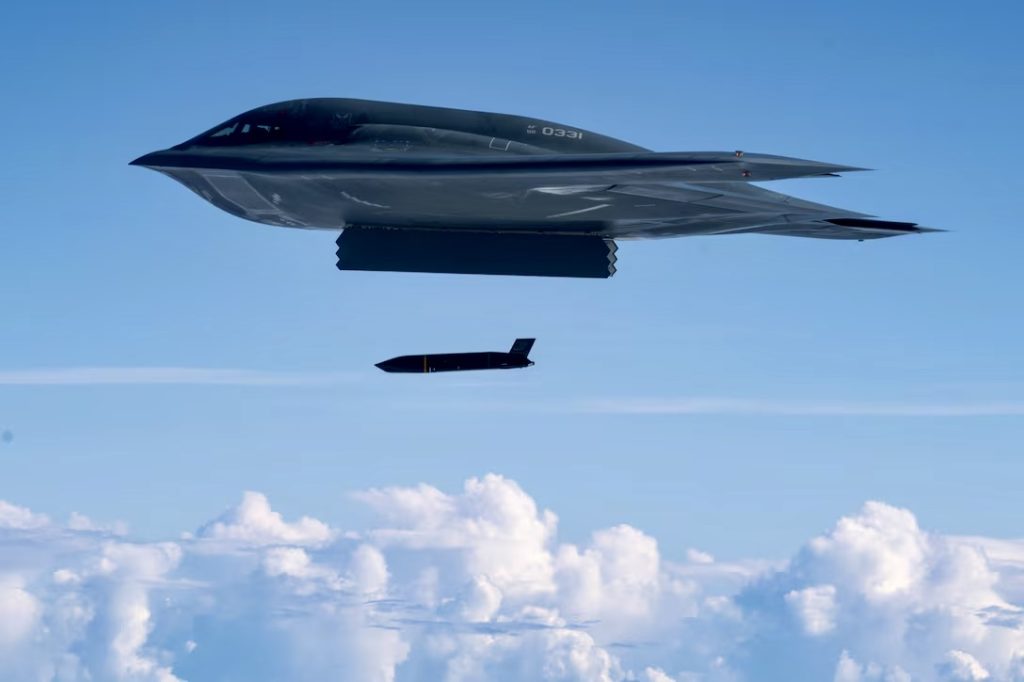
The only area where European allies have been unable to find a replacement is strategic bombers. According to an anonymous NATO source, the US will provide the alliance with only one aircraft instead of two. European countries do not possess similar systems, and the search for alternative solutions continues.
Allies’ Reaction and Summit Preparations
NATO Secretary‑General Mark Rutte had previously stated that allies would increase their contributions and fill a “significant portion” of the gaps. Deputy Supreme Allied Commander Europe Sir John Stringer confirmed that “European allies have definitely stepped up in filling the adjustments of US forces in Europe,” calling it a demonstration of “a stronger Europe in a stronger NATO.”
As Reuters notes, at the Ankara summit, NATO will announce that European members have filled nearly all the gaps left by the US in the alliance’s defence plans. At the same time, some European countries are concerned that Washington may follow through on Donald Trump’s repeated threats to withdraw from the alliance.
In just a few weeks, European allies have demonstrated an unprecedented willingness to take on the burden of defending the continent.
However, the continuing dependence on US strategic bombers and the overall uncertainty regarding Washington’s long‑term commitments pose new challenges for the alliance.
The Ankara summit is expected to reaffirm an “unshakeable commitment” to collective defence, but the final wording of the declaration is still a matter of negotiation.