


ISLAMABAD (Realist English). Pakistan’s mediation between the United States and Iran, culminating in the signing of the “Islamabad Memorandum of Understanding,” has become Islamabad’s biggest diplomatic success in decades. Prime Minister Shehbaz Sharif called the achievement a “divine gift,” while senators described it as a “contribution to regional peace and stability.”
However, just a day after the truce was concluded, Tehran put forward new conditions, announcing plans to levy “insurance fees” on ships passing through the Strait of Hormuz. This could become a key tool for cementing Iranian control over the strategically vital waterway.
Pakistan’s triumph
On June 19, Shehbaz Sharif, speaking in the National Assembly, said Pakistan had earned “global admiration” for its role in resolving the US‑Iran conflict that had been raging since late February. He particularly highlighted the role of Field Marshal Asim Munir, who “worked tirelessly, sacrificing sleep over the past two or three months, to restore peace.”
The prime minister also said that Iranian President Masoud Pezeshkian had accepted his invitation to visit Islamabad, calling Pakistan “not just a neighbour, but a brotherly country.”
At a Senate session on June 17, lawmakers from different political parties praised Pakistan’s “successful diplomatic engagement,” which they said had helped create a “favourable environment for peace talks between Tehran and Washington.” Senators stressed that Islamabad’s “proactive diplomacy” had raised the country’s international standing.
Under the memorandum, Iran pledged to immediately reopen the Strait of Hormuz, while the US agreed to lift its naval blockade. The document was signed in two stages: on June 17 in Versailles, presidents Donald Trump and Masoud Pezeshkian signed it, and on June 18, Pakistan’s prime minister joined as a guarantor.
New rules of the game: insurance fees instead of freedom of navigation
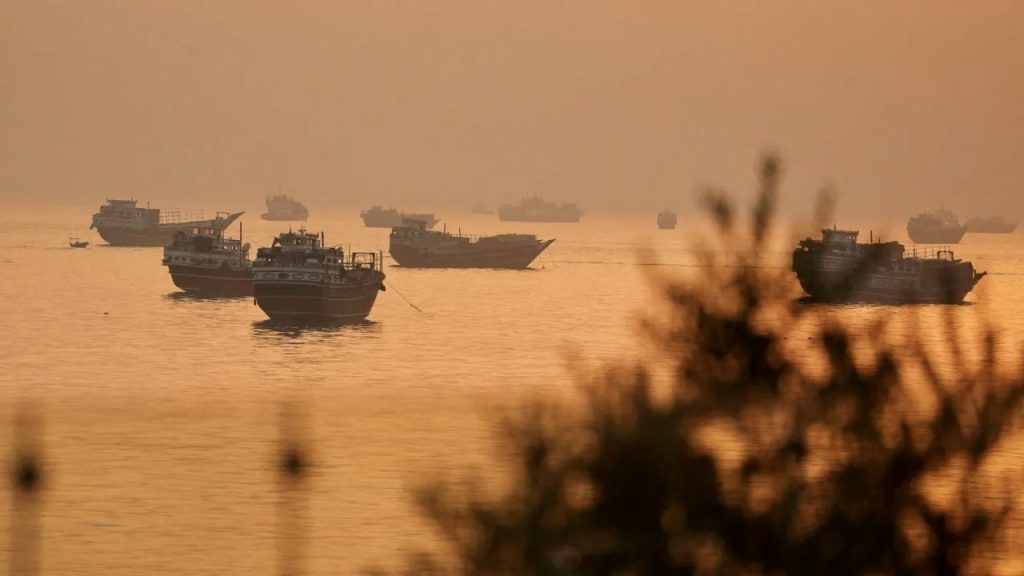
Tehran’s new initiative has overshadowed the triumph of Pakistani diplomacy. The Persian Gulf Strait Authority (PGSA), created during the war, issued a document stating that all ships transiting the Strait of Hormuz must obtain a mandatory insurance policy. For now, insurance is provided free of charge “at the expense of the Islamic Republic of Iran,” but the PGSA “reserves the right to introduce insurance fees in the future.”
The document also prescribes a strictly defined route for ships, passing along the Iranian coast. “Any deviation… is strictly prohibited and will be considered a violation,” the PGSA warns.
Western shipowners and maritime groups are categorically opposed to any payments. Greek Prime Minister Kyriakos Mitsotakis said in May that Iran should not impose fees in the strait. However, Greek shipowner Evangelos Marinakis sparked a heated debate by saying he was ready to pay a “toll” for the right to immediate and safe passage.
International opposition and uncertainty
The United Kingdom and other US allies are pressing the Trump administration not to allow Iran’s attempts to impose transit fees to become normalised. The shipping industry warns that such fees violate international maritime law and create a dangerous precedent.
Iran’s new initiative threatens the principle of freedom of navigation — one of the cornerstones of international maritime law. As The Wall Street Journal notes, for many shipowners and oil producers, Iran’s initiative “threatens to crystallise the worst‑case scenario: tolls for passage through the Strait of Hormuz.”
At the same time, there are practical risks: the Pakistani navy reported the discovery of a mine off the coast of Oman, and ships are increasingly passing through the strait with their transponders switched off.
Thus, the “Islamabad Memorandum” has become a triumph for Pakistani diplomacy, but it does not guarantee regional stability. Iran, having gained a respite, is already using it to consolidate its control over the Strait of Hormuz, creating a new flashpoint of tension and casting doubt on the long‑term prospects for a peaceful settlement.