


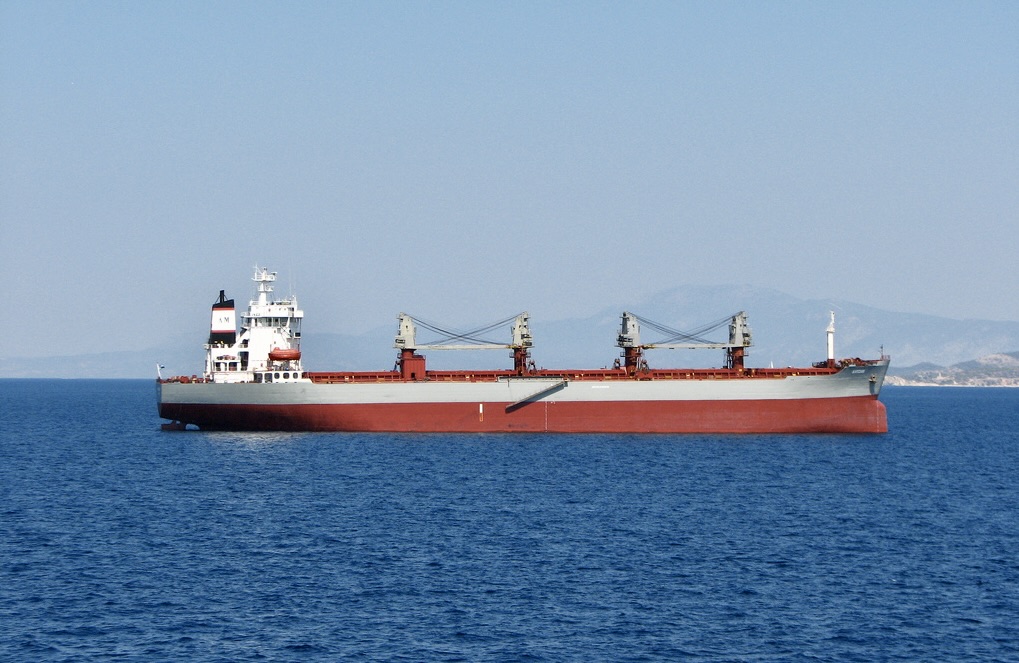
ATHENS (Realist English). Greek shipping companies have earned at least $3.8 billion from transporting Russian oil over the past three years, despite attempts by G7 countries to limit the Kremlin’s oil revenues.
According to a Financial Times analysis published on July 7, Greek tankers have continued to carry Russian crude within the framework of the G7 price cap regime established in December 2022.
Earnings of the Largest Operators
The leader in revenue from Russian oil transportation was Dynacom Tankers, founded by Greek billionaire George Prokopiou. Since July 2023, the company has earned at least $915 million from this business.
In second place is Olympic Shipping and Management, part of the Onassis Group, with revenue of at least $404 million.
Athens-based tanker companies Stealth Maritime and Polembros Shipping each earned more than $200 million from Russian oil shipments.
According to FT calculations, eight Greek shipping companies were among the top 20 companies earning the most from Russian oil transportation since June 2023. The remaining positions were held by state-backed Russian carriers, including Sovcomflot and Rosnefteflot.
Calculation Methodology
The FT analysis covers the period from June 2023, when Argus Media began tracking freight rates on major Russian oil shipping routes. The calculations included data on the transportation of approximately 389 million barrels of Russian oil. Another 153 million barrels, for which no Argus freight rate data was available, were not included in the analysis.
To estimate revenues, FT used estimated freight rates on major Russian routes, ship management data from the International Maritime Organization (IMO) and tanker movement data from analytics firm Kpler.
Political Context: Athens Between Kyiv and Brussels
The role of Greek shipowners in transporting Russian oil has become a source of tension between Greece and Ukraine. In 2023, a Ukrainian sanctions body included several Greek tanker companies, including Dynacom, on its list of “international war sponsors.” However, they were later removed under pressure from the Greek government.
Trade in Russian oil remains legal as long as it complies with the G7 price cap rules.
However, in recent months, pressure on sanctions regimes has intensified: the US and EU are seeking to weaken Moscow’s position ahead of a possible peace agreement with Ukraine. Governments are looking for additional restrictions on Russia’s energy revenues that could halt Greek trade.
Prospects
Despite increased sanctions pressure, Greek companies continue to transport Russian oil, benefiting from premium freight rates.
As Bloomberg notes, Greek shipowners have begun using new tankers for Russian crude shipments, which was previously rare, as this market was traditionally served by older vessels of the “shadow fleet.”
Amid a vessel shortage following US and EU sanctions against hundreds of tankers linked to Russian oil trade, freight rates on routes from Russian ports have reached two‑year highs.