


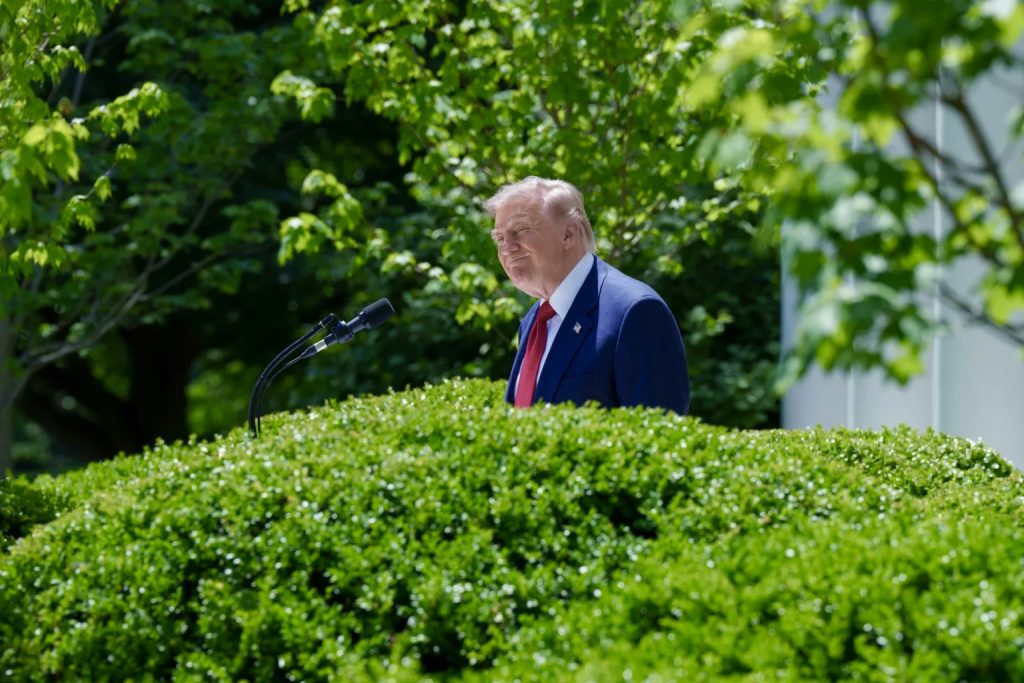
WASHINGTON (Realist English). US President Donald Trump has stated that Israeli Prime Minister Benjamin Netanyahu will have “no choice” but to accept a deal with Iran that Washington is preparing.
In an interview with the Financial Times, the American leader stressed: “I’m in command here. I give the orders. He does not command.”
The statement came amid a new round of escalation — Iran fired 11 ballistic missiles at Israel, and the IDF carried out retaliatory strikes.
Trump also threatened Tehran with “hellish bombings” or maintaining a naval blockade if negotiations fail. In Israel, there is alarm: Netanyahu’s official response is absent, and government sources describe what is happening as “betrayal.”
Harsh Pressure on an Ally
Relations between the White House and Tel Aviv had reached a boiling point even before the latest escalation. According to Axios, during a phone call on June 1, Trump called Netanyahu “crazy” and said he would be “in jail” if not for US support. The president demanded an end to massive strikes on Beirut, which were derailing US‑Iran negotiations.
Nevertheless, on June 7, Iran launched a direct missile strike on Israeli territory — 11 ballistic missiles were fired in response to an IDF attack on the southern suburbs of Beirut, where Hezbollah facilities are located. Israeli air defenses intercepted all missiles. The following morning, the Israeli Air Force struck targets in central and western Iran.
“He Has No Choice”: Trump’s Ultimatum
In the Financial Times interview published on June 8, Trump was blunt:
“He has no choice. I’m in command here. I give the orders. He (Netanyahu) does not command.”
The president said Israel would have to accept any agreement Washington reaches with Tehran. At the same time, he moved to reassure markets and allies that the new round of mutual strikes “will not affect the deal.”
Earlier that same day, in a Fox News interview, Trump said he was “not very happy” with Netanyahu’s decision to strike Beirut: “I told him to refrain.” He also called on Iran to stop escalating: “You’ve fired your missiles, that’s enough. Come back to the negotiating table and make a deal.”
Threats to Tehran: Blockade or Invasion
As an alternative to diplomacy, Trump again threatened Iran with “hellish bombings” if peace talks fail. He outlined two scenarios:
“First, it would mean that we might go in and take care of the rest of the country that we haven’t dealt with by military means. Or it would mean that we maintain the naval blockade. That blockade has probably been more powerful than any attack ever carried out on that country.”
Thus, Trump made it clear to both Tehran and Tel Aviv that time for reflection is running out and that the levers of pressure are in Washington’s hands.
Israel’s Reaction
Netanyahu’s official response to Trump’s statements and the missile barrage was absent for several hours after the interview was published. A source in the Israeli government told CNN that the atmosphere inside the cabinet could be summed up in one word: “betrayal.” Israeli officials fear that a deal with Iran would give Tehran a respite and the opportunity to rebuild its military potential.
IDF Chief of Staff Eyal Zamir said the army had not yet received orders to strike Iran but would act decisively if such orders were given. Former prime minister Naftali Bennett called the situation a “moment of truth” for Israel’s ability to defend itself.
Opposition leader Yair Lapid criticized both the US administration and the prime minister, saying the emerging deal is “bad for Israel, bad for the region, and bad for the Iranian people.” He also accused Netanyahu of being unable to influence Washington, stating that “the Israeli government is at a historic low in its ability to influence decisions in the White House.”
Shift in Paradigm
Experts note that Netanyahu’s influence on White House decision‑making is now minimal. Unlike 2015, when the Israeli prime minister publicly addressed Congress to oppose the nuclear deal with Iran, this time he chose to remain silent.
“Trump is stating the obvious — the US is the leader of the alliance, but never before has there been a need to say it so loudly and so humiliatingly for the Israeli prime minister,” write commentators at Middle East Monitor.
Analysts warn that Trump’s approach — combining ultimatums to Iran with public pressure on Israel — carries risks. A deal born “at gunpoint and insults to an ally” is unlikely to become a foundation for lasting peace.
Trump’s statement marks a significant shift in US Middle East policy. Washington is no longer willing to tolerate Israel’s position, which for years has been the main opponent of diplomatic initiatives in the region. The White House has made it clear: a deal with Iran is a priority, and Tel Aviv must comply.
However, aggressive pressure on an ally deepens the rift in relations and could provoke Israeli leadership into unexpected steps that could destabilise the situation. The coming days will show whether Netanyahu will bow to Trump’s pressure or decide on confrontation.