


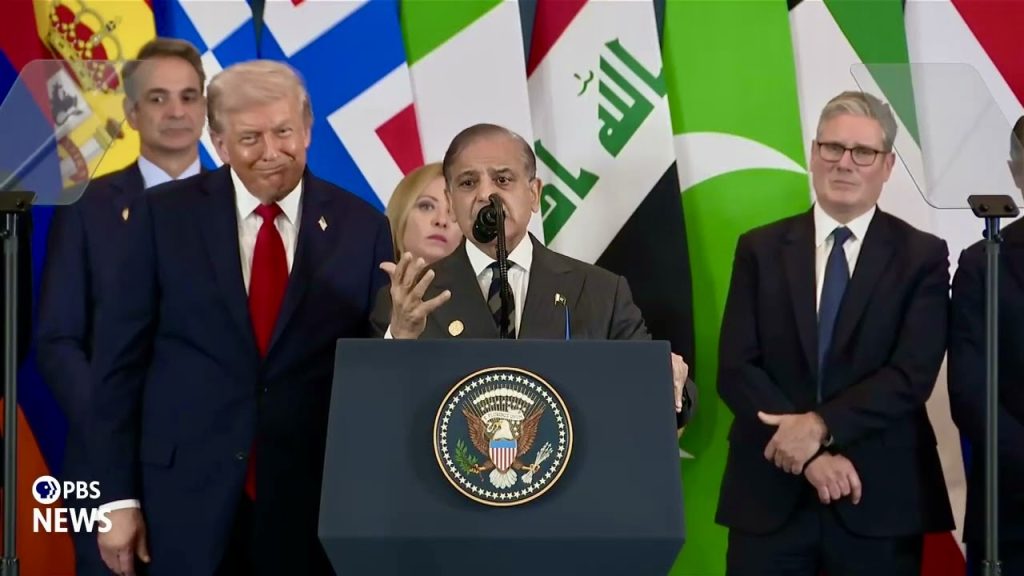
ISLAMABAD (Realist English). The Pakistani capital has fallen unusually quiet ahead of the critical talks between the United States and Iran. Police and army units have blocked major arteries, and a two-day public holiday has effectively kept residents indoors. Authorities have also announced visa-on-arrival for foreign journalists, underscoring the intense global media interest in the upcoming meeting.
The secret “bridging” plan: how Pakistan rewrote Iran’s demands.
According to two government officials familiar with the negotiations who spoke to The Times of Israel, Pakistan played a decisive role in salvaging the two-week ceasefire. On April 7, Washington flatly rejected Iran’s original 10-point plan. The parties had only one day left before US President Donald Trump’s deadline, in which he promised to “wipe out” Iran’s energy infrastructure if Tehran refused to reopen the Strait of Hormuz.
In this situation, Islamabad urgently drafted a “bridging” compromise document. It preserved most of Tehran’s positions but phrased them in language that Pakistani officials believed would be easier for the US administration to “swallow.”
By April 8, Washington had surprisingly quickly accepted the Pakistani plan as the basis for further negotiations. One official admitted he was struck by the speed with which the White House agreed to the deal, suggesting that despite Trump’s fiery rhetoric, he desperately wanted a ceasefire.
Iran published a “fake” for domestic consumption
Hours after Washington’s approval, Tehran also gave the green light, and Trump announced the two-week ceasefire less than two hours before his deadline expired. However, immediately afterward, Iran’s Supreme National Security Council published the text of the agreement, which, according to sources, does not reflect reality.
Officials familiar with the details confirmed to The Times of Israel that the 10-point plan published by Iran was not the Pakistani “bridging” document accepted by both sides. In fact, Tehran released an earlier, original version of its demands, which the US had rejected on April 7.
According to the source, Iran did this for domestic political reasons: to present the agreement as a victory and to convince its own population that the US had accepted Iran’s original terms.
Washington and Tehran prepare for decisive talks
US Vice President JD Vance is scheduled to fly to Islamabad on April 10, and the Iranian delegation has already arrived in the Pakistani capital, according to the Wall Street Journal. Talks will begin on April 11.
The outcome will determine whether the fragile two-week ceasefire can be transformed into a lasting peace and what fate awaits the Strait of Hormuz — control over which, as General David Petraeus earlier warned, could become Iran’s “own Panama Canal” with billions in revenue.