


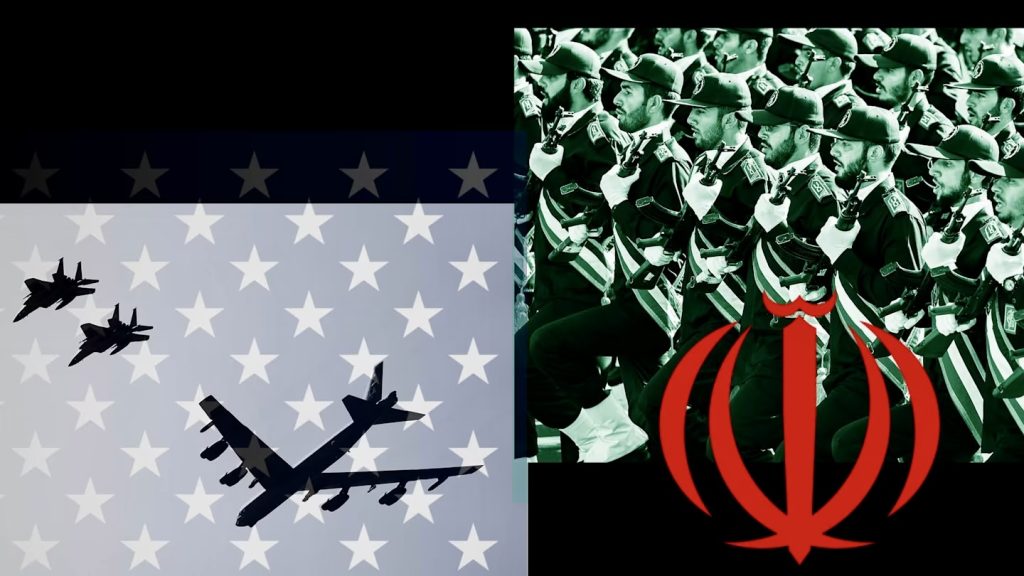
TEHRAN (Realist English). Tehran is laying out ever harsher conditions, tying the nuclear dossier to the Lebanese front, while US President Donald Trump, balancing between the desire to strike a deal and the need to save face, has again threatened to resume military action.
As politicians trade rhetoric, Israel and Hezbollah continue exchanging blows in southern Lebanon, and the price of Brent has again surpassed $107 a barrel, reacting to the complete lack of real progress on any front.
Tehran issues ultimatum
The diplomatic process between the US and Iran over the past 24 hours has shown that the two sides are speaking different languages.
On 13 May, US Vice President J.D. Vance said Washington was making “definite progress” in the talks, describing them as “productive and effective”. According to Vance, the administration remains focused on the diplomatic path, and negotiations have intensified following consultations in Pakistan. However, the key US “red line” remains unchanged: preventing Iran from ever acquiring nuclear weapons.
Meanwhile, Tehran continues to insist on a number of preconditions, effectively blocking any substantive discussion. According to the Fars news agency, Iran has put forward five demands which it calls “minimum confidence‑building guarantees”.
They include: a complete cessation of hostilities on all fronts (with an emphasis on Lebanon); the lifting of sanctions; the release of frozen Iranian assets abroad; compensation for war damage; and recognition of Iranian sovereignty over the Strait of Hormuz. Iranian officials said the US proposals had been “formulated in an entirely one‑sided manner” and pursued goals that Washington had failed to achieve by military means.
Earlier, Trump described Iran’s new proposal as “completely unacceptable” and said the US was ready to achieve its aims “peacefully or otherwise”. According to the Times of Israel, talks reached an impasse after Tehran presented a proposal that indefinitely postponed any concessions on its nuclear programme, while Washington demanded immediate guarantees concerning its stockpiles of highly enriched uranium.
Lebanese front: “positive talks” and dozens of casualties
While Washington discusses ceasefire terms, a bloody drama continues in southern Lebanon. On 14 May, the third round of direct talks between Israel and Lebanon opened in Washington, aimed at extending the fragile truce due to expire on Sunday. The US State Department described the first day of talks as “positive”, but diplomatic manoeuvring on Capitol Hill has had no impact on the ground.
On 13 May, the day before the talks began, Israeli aircraft struck southern and eastern Lebanon. According to the Lebanese Health Ministry, 22 people were killed in the intense bombing, including eight children.
On 14 May, Israeli forces continued to hit Hezbollah targets in the south, having previously warned residents of several villages to evacuate. On the same day, a Hezbollah drone crashed on Israeli territory, wounding several civilians.
At the same time, media reports say Israel is insisting that any ceasefire deal must include a demand for the complete disarmament of Hezbollah, while the Lebanese side seeks the withdrawal of Israeli troops. Hezbollah parliamentarian Ali Ammar has already said his group rejects direct talks with Israel, calling them “free concessions” to the Jewish state.
Teetering on the brink and market reaction
Israel, for its part, has welcomed Washington’s tough stance with undisguised satisfaction, making it clear that it would prefer “no deal to a bad deal”. Tel Aviv fears that any agreement that does not restrict Iran’s missile programme and its support for proxy forces could only strengthen the Iranian regime by providing it with funds after the release of frozen assets. Moreover, Israel appears determined to continue its military campaign against Hezbollah regardless of the outcome of the US‑Iran talks.
The oil market, highly sensitive to any tremor in the Gulf, immediately reacted to the diplomatic uncertainty. Brent futures again rose above $107 a barrel, a direct consequence of fears that the Strait of Hormuz blockade will drag on. Analysts warn that if current trends continue, prices will keep rising.
Tehran, feeling itself in the driving seat after withstanding US and Israeli strikes, refuses even to discuss concessions on its nuclear programme, tying them to the so‑called “Lebanese dossier”. Trump, desperate to keep oil prices in check before the elections and to reopen the strait, has been cornered by his own rhetoric. Meanwhile, Israel continues its escalation in Lebanon.