


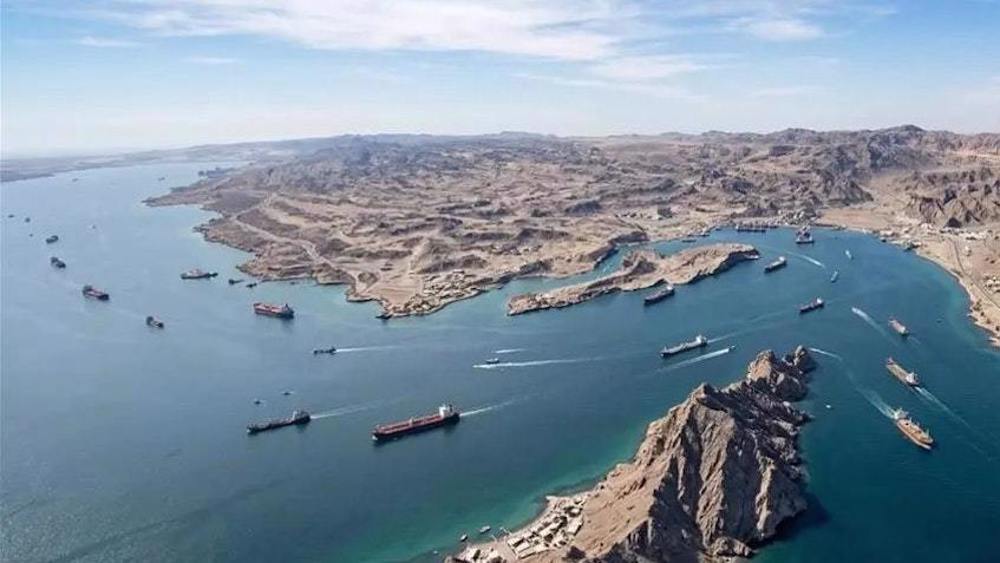
TEHRAN (Realist English). Iran could maintain the current disruption in the Strait of Hormuz for years, a senior Iranian security official told state broadcaster Press TV, signalling a prolonged standoff over one of the world’s most critical energy chokepoints.
The official, speaking on condition of anonymity, said Tehran views restrictions on maritime traffic as a strategic necessity, particularly given the role of sea routes in supplying US military bases across the region.
“Iran has the capability to sustain this situation for years,” the official said, referring to the effective limitation of access for US and allied vessels through the strait.
He added that Iran believes it should no longer allow logistical support for foreign military deployments to pass through the waterway, arguing that earlier intervention could have weakened adversaries’ operational capacity.
The Strait of Hormuz — a narrow passage between the Persian Gulf and the Gulf of Oman — typically handles around 20% of global oil supplies. Its disruption since the start of the US-Israel war with Iran on February 28 has already had a significant impact on global energy markets.
Oil prices have surged, with Brent crude approaching multi-year highs, while analysts warn that a prolonged closure could push prices toward $200 per barrel. The effects are already visible in consumer markets, particularly in the United States, where fuel prices have risen sharply.
The disruption has extended beyond crude oil. Shipments of liquefied natural gas, fertilisers and other commodities have also been affected, driving up logistics costs and insurance premiums and adding to global inflationary pressures.
Washington has repeatedly warned that continued interference with shipping could trigger military retaliation, including strikes on Iranian infrastructure. However, deadlines set by US President Donald Trump for reopening the route have been extended multiple times without resolution.
The United States has also sought support from European allies to secure maritime traffic through naval escorts, but no coordinated response has materialised.
In recent statements, Trump signalled a possible shift in priorities, suggesting that reopening the strait may no longer be a central objective of US military operations, even as tensions with Iran persist.
The evolving situation highlights a strategic impasse: Iran is leveraging geographic control over a critical energy corridor, while the US faces limits in mobilising international support for direct intervention.
The longer the disruption continues, the greater the risk that what began as a tactical pressure point could transform into a structural shift in global energy flows — with lasting consequences for markets, alliances and the balance of power in the region.