


MOSCOW (Realist English). The war involving Iran has provided Russia with a significant economic boost, as rising global energy prices increase state revenues and ease pressure on the federal budget, according to analysts and recent market data.
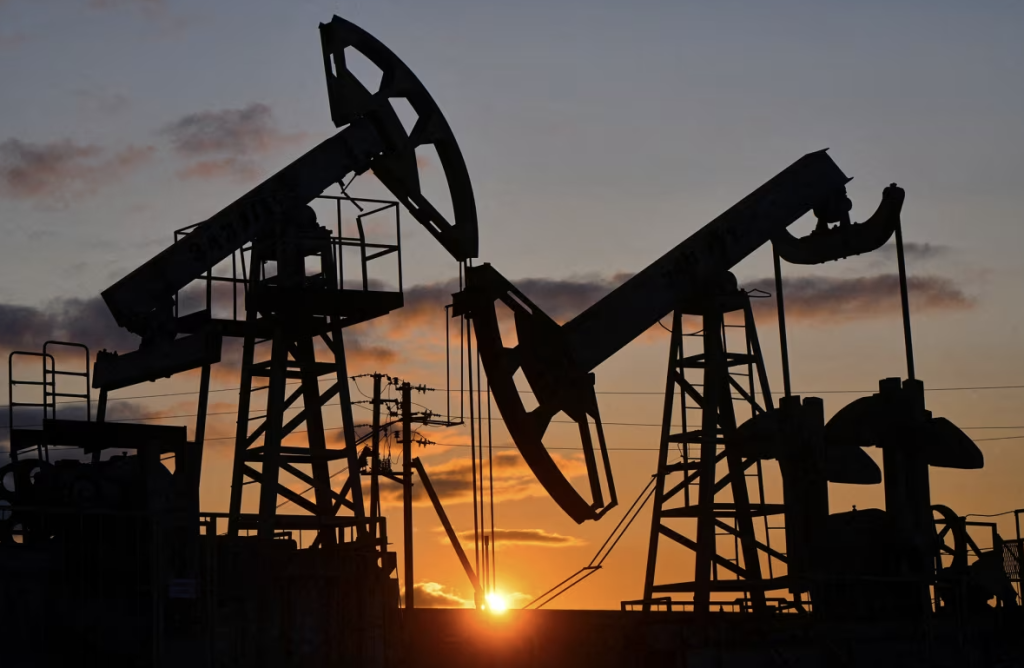
Higher oil prices have strengthened Moscow’s finances at a critical moment. Russian Urals crude rose to around $90 per barrel by mid-March, roughly double its level in February, according to estimates cited by energy analysts. Even a smaller increase of $30 per barrel earlier in the month translated into approximately $8.5 billion in additional monthly revenue, with about $5 billion flowing directly into the state budget.
Oil and gas revenues account for roughly a quarter of Russia’s federal income and remain central to financing government spending, including military operations. Analysts say the recent price surge has allowed authorities to delay planned spending cuts, which are now expected to be pushed back to 2027.
“The biggest winner of the conflict is Russia,” said Ben Cahill, a senior associate at the Center for Strategic and International Studies. He noted that Moscow is now able to sell crude closer to global market prices after previously offering steep discounts due to sanctions.
Before the escalation in the Middle East, Russia’s energy sector was under pressure. Exports had fallen to about 6.6 million barrels per day in February — the lowest level since 2022 — while revenues dropped by around 30% year-on-year, according to the International Energy Agency.
The current shift is partly driven by tighter global supply and policy changes. The United States has temporarily eased some restrictions on Russian oil flows to stabilize global markets, while Asian buyers, particularly India, have increased purchases to offset reduced Middle Eastern supply. In some cases, Russian crude has traded at a premium to benchmark Brent prices.
Beyond oil, Russia stands to benefit from disruptions across other commodity markets. The Strait of Hormuz is a key transit route not only for crude and LNG but also for fertilizers and industrial materials — sectors where Russia is a major global supplier. Analysts report growing demand for Russian fertilizers, with buyers in Africa pre-purchasing shipments months in advance.
The crisis may also strengthen Russia’s long-term energy ties with Asia. Reduced confidence in Middle Eastern supply routes could encourage China and India to expand imports from Russia and accelerate infrastructure projects such as new pipelines linking Siberian fields to Asian markets.
However, analysts caution that the gains may be temporary. The Organisation for Economic Co-operation and Development (OECD) has raised its inflation forecast for Russia to 6% this year, while projecting economic growth of just 0.6%, down from 1% in 2025.
Analytically, the current energy windfall provides Moscow with short-term fiscal relief but does not address deeper structural weaknesses in the economy, including sanctions pressure, declining investment, and long-term growth constraints.
The key question is whether elevated energy prices will persist long enough to materially stabilize Russia’s economy, or whether the current boost will fade as markets adjust and global supply chains rebalance.