


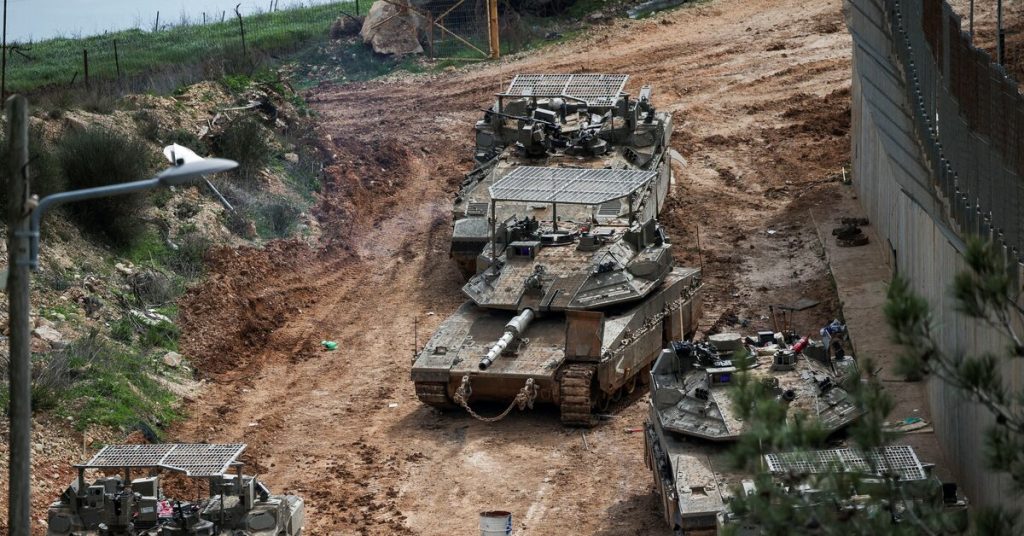
BEIRUT (Realist English). Despite the previously signed ceasefire between the United States and Iran, Israel’s foreign policy and military activity over the past weekend (May 9-10, 2026) remained extremely high.
The main theater of operations shifted once again to the northern borders: the Israel Defense Forces (IDF) continued their operation against Lebanon’s Hezbollah, striking the group’s infrastructure and eliminating its command staff. At the same time, growing concern is emerging within the expert community over a potential US-Iranian agreement, which, in Tel Aviv’s view, may not only fail to weaken Tehran but could also create long-term strategic risks for the Jewish state’s security.
Below is a detailed breakdown of key events, statements, and expert assessments over the past 48 hours.
1. Lebanese Front: Operation Against Radwan Force and Continued Strikes
Tensions along the Lebanese-Israeli border remain the primary source of instability in the region. Israel, citing the need to eliminate the Hezbollah threat, continues to carry out targeted strikes on the group’s positions and command structure, disregarding the ceasefire regime agreed upon by Washington and Tehran.
- Strike on the Elite Radwan Unit (May 9): According to Israeli official sources and Western media, on the night of Thursday, the Israeli Air Force struck a suburb of Beirut, resulting in the elimination of a commander of the elite Radwan Force. This unit is considered Hezbollah’s high-quality special forces, trained to carry out sabotage raids into Israeli territory.
- Netanyahu’s Statement: “No Terrorist Is Immune”: Following confirmation of the field commander’s elimination, Prime Minister Benjamin Netanyahu issued a tough statement via his office. He declared that “no terrorist is immune” from retribution, promising that “anyone who threatens the State of Israel will die as a result of their actions.”
- Systematic Strikes on Southern Lebanon (May 9-10): Concurrently with the attack on Beirut, Israeli forces struck several targets in southern Lebanon. According to the Lebanese Health Ministry, at least 12 people were killed in the airstrikes, including two children and a paramedic working in structures affiliated with Hezbollah. In response, Hezbollah militants fired several rockets and launched drones at Israeli military positions. Israel’s air defense systems intercepted some of the threats, and no casualties were reported on the Israeli side.
Key Takeaway: Israel emphasizes that its actions on the Lebanese front are not bound by the framework of US-Iranian negotiations. The goal is to push Hezbollah away from the border and destroy its military potential, regardless of the diplomatic situation surrounding Iran.
2. Iranian Track: Western Expert Opinions and Israel’s Position
While active hostilities raged in the north, a serious conflict of interest was brewing in the diplomatic sphere between Israel and its primary ally, the United States.
The Israeli leadership has expressed public concern over the details of a potential agreement being prepared by the administration of US President Donald Trump.
- The Agreement Does Not Meet War Aims: Within Israeli government and military circles, there is a growing conviction that the emerging deal with Iran does not fulfill the objectives for which the military operation was launched. Tel Aviv’s main grievances regarding the draft agreement include:
- Preservation of the Missile Arsenal: The agreement allegedly does not require Tehran to completely dismantle its ballistic missile program, leaving a direct military threat to Israel in place.
- Financial Infusion: Unfreezing Iranian assets could provide Tehran with billions of dollars, which Israel fears will be directed toward rebuilding its military-industrial complex and funding proxy forces, including Hezbollah.
- Limitation of Operational Freedom: There are concerns that the agreement could impose constraints on the IDF’s freedom of action in Lebanon and the wider region.
- Regime Collapse as an Alternative to a Deal: Some Israeli officials believe that the most effective scenario is continued harsh economic and military pressure on Iran, rather than a diplomatic agreement. They argue that the Iranian system is in deep crisis and on the verge of internal collapse. From this perspective, any agreement represents a “lifeline” for the ayatollahs’ regime, allowing it to survive. Israeli sources have described the proposed deal as “terrible” and “bad,” as it merely postpones the nuclear issue for 15 years rather than eliminating it, leaving a loophole for the future development of a bomb.
3. Statistics and Consequences for the Weekend
- Casualties in Lebanon: At least 12 people were killed as a result of Israeli strikes on May 9-10 (data from the Lebanese Health Ministry).
- Group Losses: Israel announced the elimination of a senior commander of Hezbollah’s special forces (Radwan unit), as well as strikes on over 40 terrorist infrastructure targets over the past 48 hours.
Over the past two days, Israel’s policy has demonstrated a dual character. On one hand, there is decisive military escalation on the northern front aimed at inflicting maximum damage on Hezbollah and changing the balance of power on the border, despite existing ceasefires. On the other hand, there is deep diplomatic and expert concern regarding Washington: Israel fears that a deal with Iran may repeat the “bad” nuclear agreement of the past, which would not eliminate the threat but merely freeze it temporarily, leaving nuclear and missile programs intact.