


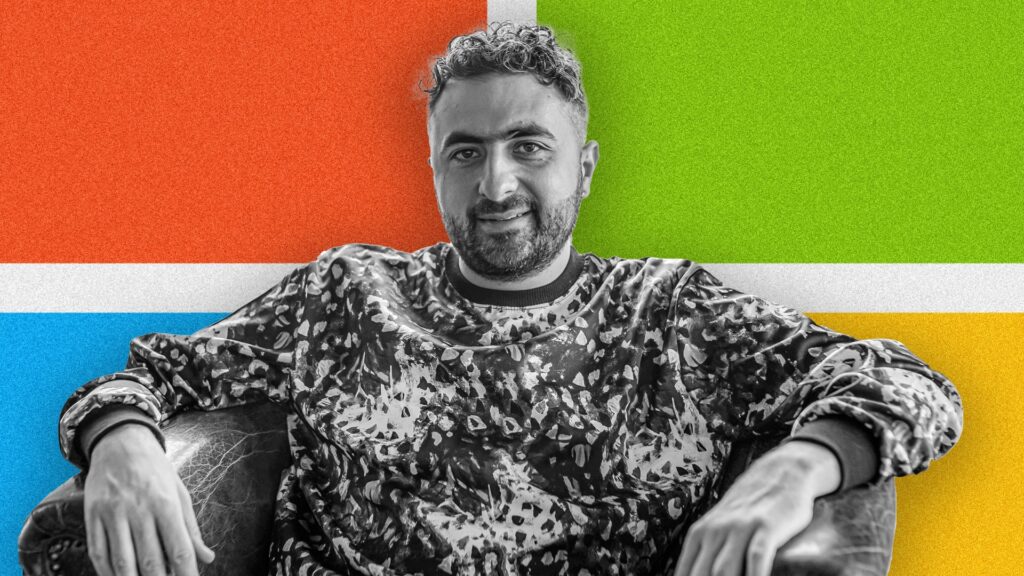
SEATTLE (Realist English). The global artificial intelligence race is entering a new and far more costly phase, defined by massive investments in data centers, strategic partnerships and an intensifying battle for elite talent. At the center of this shift is Mustafa Suleyman, Microsoft’s head of AI, who says the industry must prioritize control and alignment as it moves closer to superintelligent systems.
Suleyman, a co-founder of DeepMind before joining Microsoft 18 months ago, said recent changes to Microsoft’s partnership with OpenAI have given the company greater freedom to pursue its own advanced AI development. While Microsoft retains licenses to OpenAI’s models through 2032, it is now building an independent “superintelligence” team alongside its existing collaboration.
He said AI is rapidly evolving from generating responses to performing autonomous actions, such as navigating websites, opening tabs and completing transactions. These capabilities already exist in experimental form but remain unreliable and require human oversight before broader deployment.
Suleyman warned against an unchecked push toward superintelligence, advocating instead for what he calls “humanist superintelligence” — systems designed to remain firmly aligned with human values. He said containment and alignment must be treated as non-negotiable conditions before any release of more autonomous AI.
Within the next five to ten years, he said, AI systems could begin setting their own goals, modifying their own code and operating independently — developments that would significantly increase risk. To manage this, Suleyman called for stronger audits, greater transparency and deeper engagement with governments.
He pointed to healthcare as one of the most promising early applications, saying AI systems are already demonstrating the ability to diagnose rare diseases more accurately and cheaply than humans and are now moving toward clinical trials.
Beyond technology, Suleyman acknowledged the broader social impact of AI-driven productivity, arguing that societies will need new mechanisms to manage displacement and redistribution, potentially including forms of universal basic income.
As competition between major AI developers accelerates, Suleyman said the challenge is no longer whether AI will transform society, but whether that transformation can be guided in a way that is deliberate, safe and aligned with human interests.