


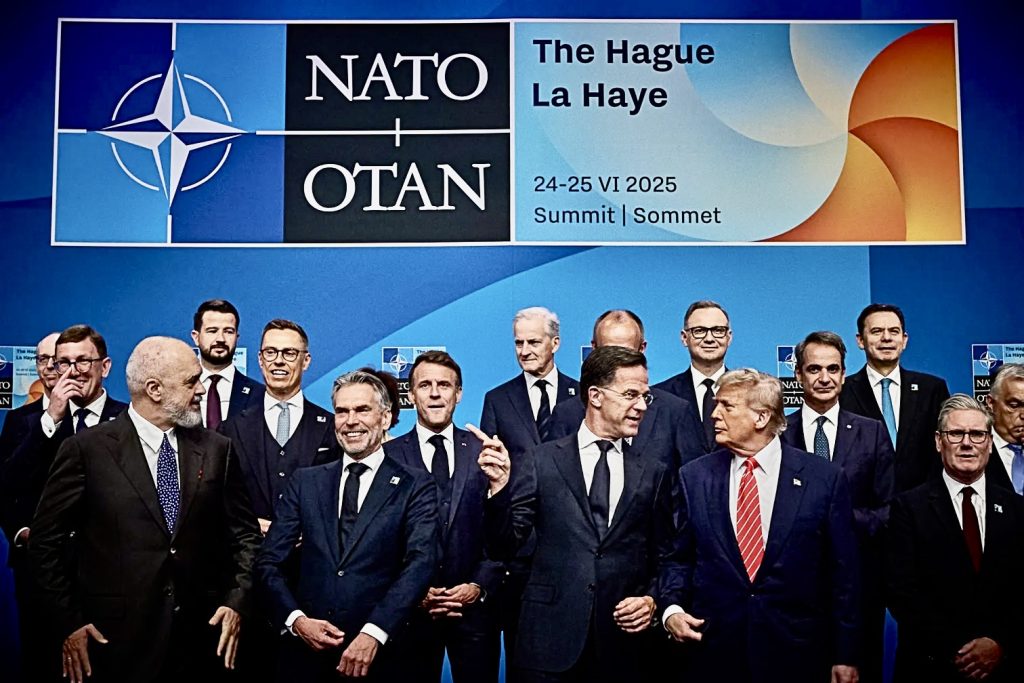
ANKARA (Realist English). Three days before the opening of the NATO summit in the Turkish capital, scheduled for July 7–8, member states are unable to reach consensus on the final declaration.
According to Bloomberg, disagreements have arisen over two key issues: the expansion of pipeline infrastructure to the east and the volume of aid to Ukraine.
Pipeline Dispute: Poland vs Skeptics
Polish authorities are insisting on expanding the alliance’s pipeline network, built during the Cold War. The initiative has been supported by several other Eastern European states.
In addition, Turkey is seeking funding for its own infrastructure projects under the alliance’s $28 billion modernisation programme.
However, not all allies share the enthusiasm for large‑scale pipeline investment given other priorities, including aid to Ukraine and defence spending.
Ukraine Aid: Italy Opposes 2027 Commitments
Even more heated disputes arose over the issue of financial support for Kyiv. According to the draft declaration, allies intend to allocate €70 billion ($80 billion) to Ukraine in 2026 and 2027. This amount consists of annual NATO commitments of €40 billion and a €30 billion loan from the European Union.
Italy’s position has become the main sticking point. Rome insists on removing from the final declaration any reference to funds being allocated in 2027. Italian diplomats argue that rigidly fixing the timeline could prematurely predetermine the negotiation process for a peaceful settlement.
Slovakia has already confirmed that it will not participate in providing aid to Ukraine. Despite the disagreements, analysts believe Italy will ultimately not block the consensus.
Europe Fills Gaps After US Cuts
Amid the internal disputes, NATO command has recorded an unprecedented step by European members. After the Pentagon announced in May 2026 a significant reduction in the military contingent the US is prepared to provide to the alliance in the event of a crisis in Europe, European allies quickly filled the resulting gaps.
Commander of NATO’s Allied Joint Force Command in Europe, US Air Force General Alexus Grynkewich stated: “Within weeks, European allies largely filled the gaps left by US reductions in the NATO Force Model.”
Deputy Supreme Allied Commander Europe Sir John Stringer confirmed that “European allies have definitely stepped up in filling the adjustments of US forces in Europe.” He added that this is a demonstration of “a stronger Europe in a stronger NATO.”
According to data provided to Reuters by a military source, the US cuts affect a wide range of weapons: the number of F-15 and F-15E fighters available to NATO will be reduced by a third — to 99; the number of MQ-4 and MQ-9 Reaper drones will be halved — to 12; and the number of KC-135 and KC-46 tanker aircraft will drop from 79 to 63.
Instead of two strategic bombers and aircraft carriers, only one will be allocated. The main problem remains a shortage of strategic bombers.
On the eve of the Ankara summit, NATO faces a dual challenge.
On the one hand, internal disagreements over pipelines and aid to Ukraine threaten the adoption of a unified final document.
On the other hand, European allies are demonstrating an unprecedented willingness to take on the burden of defending the continent, quickly compensating for reductions in US military presence.
As expected, alliance leaders will reaffirm their “unshakeable commitment” to collective defence under Article 5 of the Washington Treaty, but the final wording of the declaration is still a matter of negotiation.