


TEHRAN (Realist English). At least 3,919 people have been killed during the recent wave of protests in Iran and the ensuing security crackdown, according to updated figures released on Sunday by the Human Rights Activists News Agency, which warned the real toll could be significantly higher.
The revised figure marks a sharp increase from the previously reported 3,308 deaths and exceeds casualties from any other episode of unrest in Iran in recent decades, evoking comparisons with the turmoil surrounding the 1979 revolution. The group, which relies on a network of activists inside the country to verify fatalities, said the scale of violence remains difficult to fully assess. The Associated Press said it could not independently confirm the numbers.
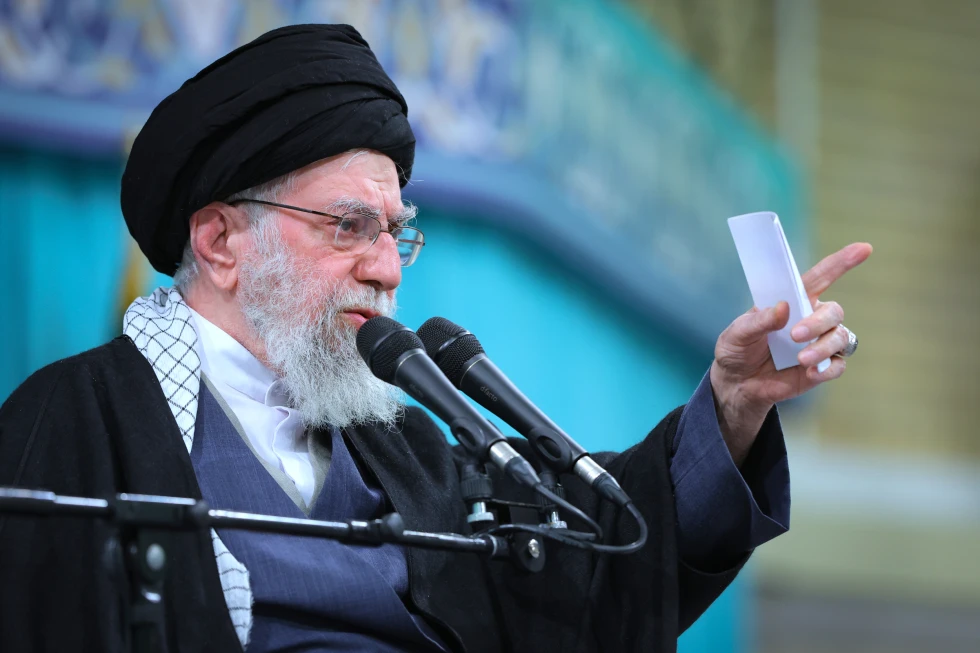
Iranian authorities have not released an official death toll. On Saturday, however, Supreme Leader Ali Khamenei acknowledged that “several thousand” people had been killed, blaming the United States for the bloodshed. It was the first time a senior Iranian leader publicly indicated the magnitude of the casualties since protests erupted on December 28 over worsening economic conditions.
The Human Rights Activists News Agency also reported that at least 24,669 protesters have been arrested during the crackdown. Iranian officials have repeatedly accused the United States and Israel of instigating the unrest.
Tensions with Washington have intensified, with US President Donald Trump repeatedly warning Tehran of possible military action if authorities continued using lethal force against demonstrators or carried out executions of detainees.
Iranian President Masoud Pezeshkian, writing on X on Sunday, blamed “longstanding enmity and inhumane sanctions” imposed by the US and its allies for the country’s hardships, warning that any aggression against the supreme leader would amount to “all-out war against the Iranian nation”.
During the protests, Trump publicly encouraged demonstrators, saying “help is on the way” and vowing his administration would “act accordingly” if killings or executions continued. He later adopted a more conciliatory tone, saying Iranian officials had “canceled the hanging of over 800 people” and adding that he respected the decision.
One such case involved 26-year-old protester Erfan Soltani, whose execution was postponed. A family member said Soltani was in good physical condition and had been allowed a family visit days after his scheduled execution was delayed. A relative living abroad appealed publicly for help in securing his release.
On Saturday, Khamenei described Trump as a “criminal” for backing the protests and portrayed demonstrators as “foot soldiers” of the United States. Trump, in an interview with Politico, called for an end to Khamenei’s nearly four-decade rule, accusing him of killing his own people.
No large-scale protests have been reported for several days, with streets in major cities returning to an uneasy calm. Witnesses said, however, that residents in Tehran, Shiraz and Isfahan chanted anti-Khamenei slogans from their homes on Saturday night.
Authorities have also imposed an internet shutdown since January 8. Limited services briefly resumed over the weekend, with access to some platforms partially restored, though users reported that most international websites and email services remained blocked.