


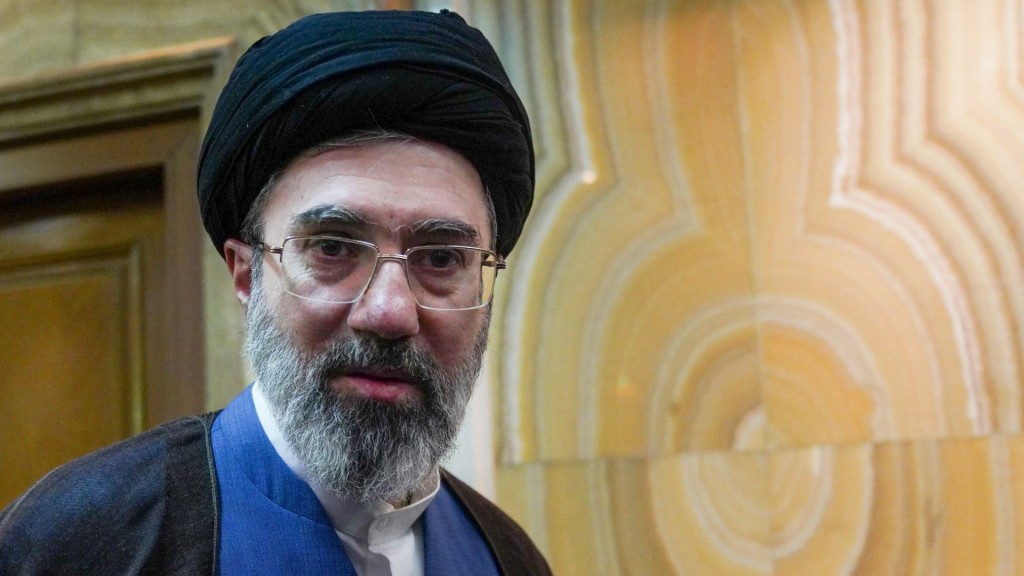
QOM (Realist English). Iran’s Supreme Leader Mojtaba Khamenei is reportedly unconscious and unable to perform his duties due to a “severe” medical condition, according to an intelligence assessment cited by The Times.
The report, based on what the newspaper described as U.S.-Israeli intelligence shared with Gulf allies, states that Khamenei is being treated in the Iranian city of Qom and is “unable to be involved in any decision-making by the regime.”
The claims have not been independently verified, and Iranian authorities have not issued any official confirmation regarding his condition.
According to the same memo, Khamenei is believed to have been wounded during the initial wave of U.S.-Israeli strikes on February 28, which also reportedly killed his father, former Supreme Leader Ali Khamenei.
The document further suggests preparations are underway in Qom for burial arrangements, including plans for a large mausoleum that could accommodate multiple graves, raising speculation about the broader leadership situation.
Since assuming leadership, Mojtaba Khamenei has not appeared publicly, fueling uncertainty about his role and control over Iran’s political and military structures. Iranian state media has released written statements attributed to him, as well as an AI-generated video purporting to show him in a military command setting.
Earlier reporting by The Washington Post cited U.S. and Israeli officials describing Khamenei as “wounded, isolated and not responding to messages,” suggesting that elements of the Islamic Revolutionary Guard Corps and senior clerics may have consolidated influence.
The situation is further complicated by delays in funeral arrangements for Ali Khamenei, whose burial has not yet been publicly scheduled despite Shi’ite tradition calling for prompt interment. Wednesday marks the 40-day mourning milestone following his reported death.
The emerging picture — based largely on intelligence leaks and media reports — points to potential instability at the top of Iran’s leadership structure. However, in the absence of official confirmation, the extent of Khamenei’s condition and its impact on governance remains unclear.
The uncertainty comes at a critical moment, as Iran navigates ongoing conflict dynamics and enters sensitive negotiations with the United States, raising questions about who is effectively making decisions in Tehran.