


TEHRAN (Realist English). US-Iranian negotiations are at a critical stage. While officials cautiously express optimism about progress on key issues, Washington and Tel Aviv are simultaneously preparing alternative options, including military ones. The parties are fundamentally divided: a deal or a military scenario?
US position: last chance for diplomacy
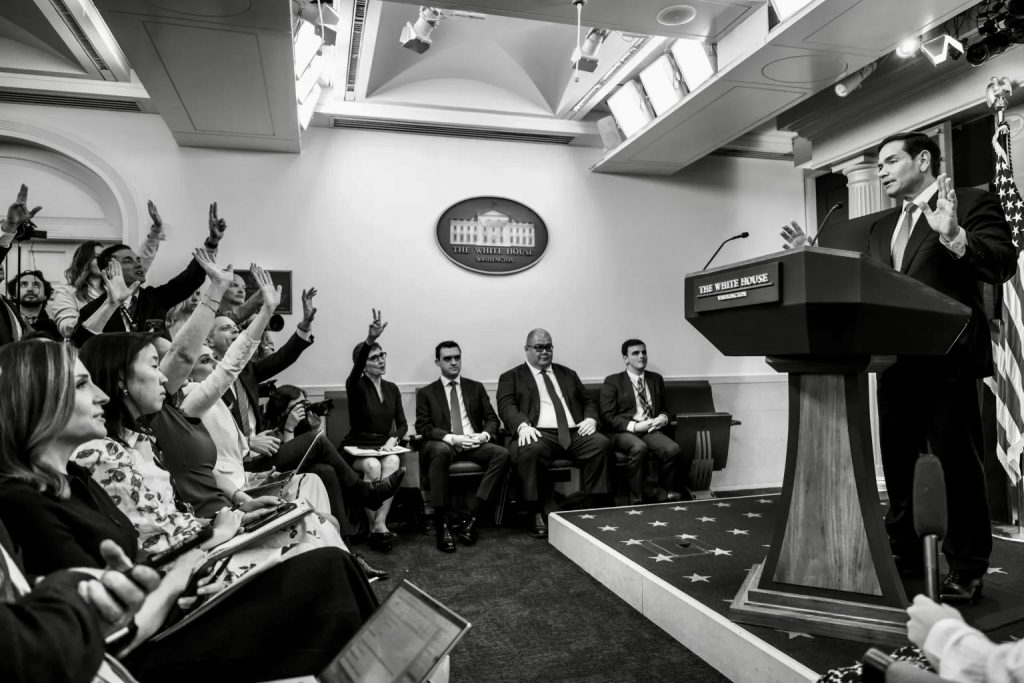
Commenting on the progress of the talks on May 25, US Secretary of State Marco Rubio made it clear that America has two paths: “Either a good agreement with Iran, or we will deal with that country ‘another way’.”
According to him, a “very real” proposal is on the negotiating table, which includes the reopening of the Strait of Hormuz and entering into “time-limited” negotiations on the nuclear program.
President Donald Trump, for his part, remains cautious and is not rushing things in order to avoid a “bad deal”. On his Truth Social platform, he stated that the blockade of Iranian ships in the strait would continue until a comprehensive agreement is reached and signed.
Iran: principled agreement and mistrust
Tehran is also signalling a willingness to compromise, albeit with reservations. According to US officials, Iran’s Supreme Leader Mojtaba Khamenei has in principle approved the overall deal framework. According to reports, Iran has agreed to the following conditions:
- Reopening of the Strait of Hormuz: Tehran will agree to this in exchange for the lifting of the US naval blockade.
- Nuclear programme: An agreement has been reached on the disposal of highly enriched uranium stockpiles. Iran has also agreed to enter into time‑limited negotiations on the nuclear issue.
However, significant mistrust remains. Iran’s semi‑official Tasnim news agency, which is linked to the IRGC, accused the US of creating obstacles, particularly regarding Tehran’s demand for the unfreezing of its overseas assets. This is a key point of disagreement that could derail the deal.
Israel: right to self‑defence and scepticism
Israel, as the United States’ closest ally in the region, views the negotiations with suspicion, fearing they may not fully address its security concerns. After a conversation with Trump on May 25, Prime Minister Benjamin Netanyahu stated that any agreement with Iran “must eliminate the nuclear threat”, including the dismantling of Iranian uranium enrichment facilities and the removal of all fissile material from the country.
At the same time, Netanyahu publicly confirmed that Trump had “reaffirmed Israel’s right to defend itself against threats on all fronts, including Lebanon”.
Backup “Plan B” and military preparations
Despite diplomatic optimism, Washington and Tel Aviv are actively preparing alternative scenarios.
- “Another way” according to Rubio: If the talks fail, the US will move to implement “Plan B”, which could involve abandoning diplomacy in favour of harsher measures.
- Operation in Isfahan: In March 2026, Semafor reported that one of the options being considered is a special operation at the nuclear facility in Isfahan, where uranium sufficient to create approximately 10 atomic bombs is believed to be stored in underground tunnels.
The stakes have never been higher
At stake is not only the lifting of the blockade of the Strait of Hormuz, but also the fate of Iran’s nuclear programme and the stability of the entire Middle East. Trump, seeking to avoid the mistakes of his predecessor, is not ready to make quick concessions. At the same time, Rubio warns that diplomacy has a timeframe, and the US is ready for alternative action.
The coming days will reveal whether diplomacy can triumph or whether the conflict will enter a new, even more dangerous phase. Amid these alarming signals, Israel’s concerns are growing, as it considers it its duty to guarantee its own security if US diplomacy fails. The situation in the region remains explosive, and any false move could lead to unpredictable consequences.