


MOSCOW (Realist English). Russia’s Central Election Commission (CEC) has approved the transition to a new version of the State Automated Election System, endorsing the permanent launch of GAS “Elections” 2.0 and the retirement of the previous version, 1.3.1.
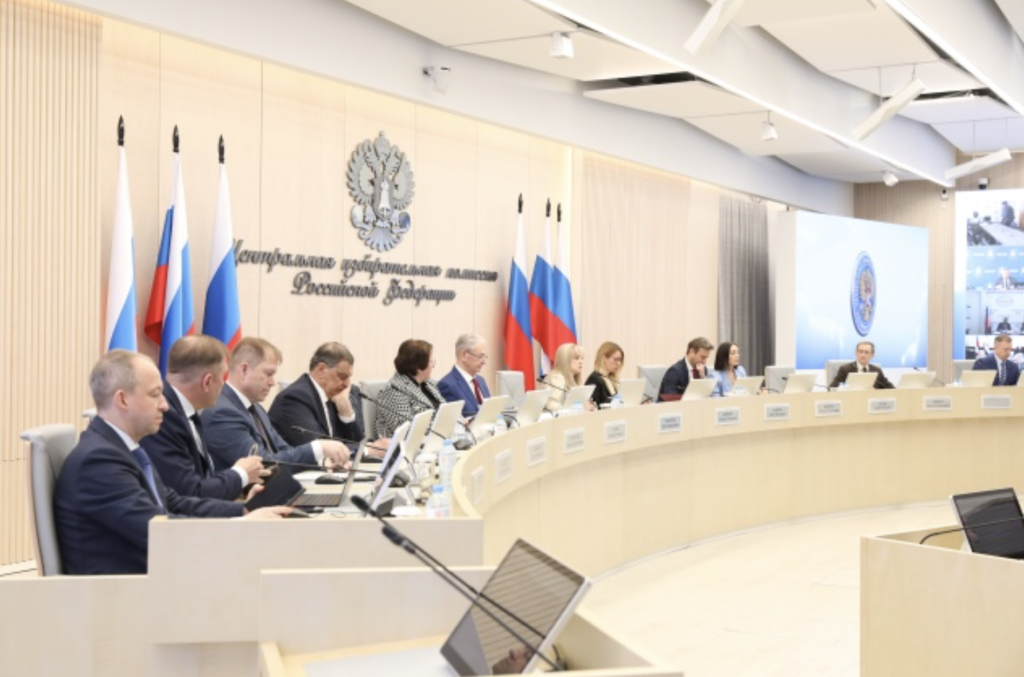
The decision was taken at the first meeting of the year of the Central Election Commission of the Russian Federation on January 28. According to the commission, the move marks a significant milestone in the digitalisation of Russia’s electoral infrastructure.
CEC Chair Ella Pamfilova said the development of the new system was made possible through coordinated work between government institutions and technology partners. She highlighted the role of the Ministry of Digital Development, thanking its head Maksut Shadaev, his deputy and chief architect of GAS “Elections” 2.0 Oleg Kachanov, as well as representatives of the Presidential Administration. Pamfilova also praised Rostelecom and the Federal Informatization Center of the CEC for helping achieve what she described as a “fundamentally new level of automation” in electoral processes.
According to Pamfilova, the new system was developed in line with principles of technological independence and import substitution, incorporates updated information security standards, and represents another step toward the comprehensive digital transformation of elections.
A full transition to the new digital platform — with real-time data updates synchronised with government registries — is scheduled to begin on February 6, 2026.
CEC Deputy Chair Nikolai Bulaev said work on GAS “Elections” 2.0 began in 2019, with individual technical solutions introduced gradually as they were completed. In December 2024, the commission decided to integrate the new subsystems into the national election framework and launch a year-long pilot phase starting January 1, 2025.
During that trial period, more than 3,000 system administrators were trained, and the platform was used in 5,235 electoral campaigns, Bulaev said, demonstrating its reliability under conditions of heightened workload.