


DUBAI (Realist English). Since the signing of the “Islamabad Memorandum of Understanding” on June 17, 2026, commercial shipping through the Strait of Hormuz — the strategic artery through which about 20% of the world’s oil and liquefied natural gas passed before the war — has begun to gradually recover.
As of July 2, the volume of oil transported through the strait exceeded 10 million barrels per day. However, it is still far from the pre‑war level of 20 million barrels per day.
Traffic Recovery: From Near‑Total Halt to Partial Revival
According to Kpler, a company that tracks vessel movements, 40 vessels passed through the strait on Monday, 24 on Sunday, and 39 on Saturday. On Tuesday, 34 vessels were recorded. For comparison, before the war, about 130 commercial vessels passed through the strait daily. Thus, current traffic remains roughly 70% below pre‑war levels.
As Gulf News notes, “although traffic is gradually recovering, the latest shipping data indicates that the sea corridor has not yet returned to normal, underscoring continued concerns about regional security.”
Reasons for Recovery: US Military Support and Economic Pressure
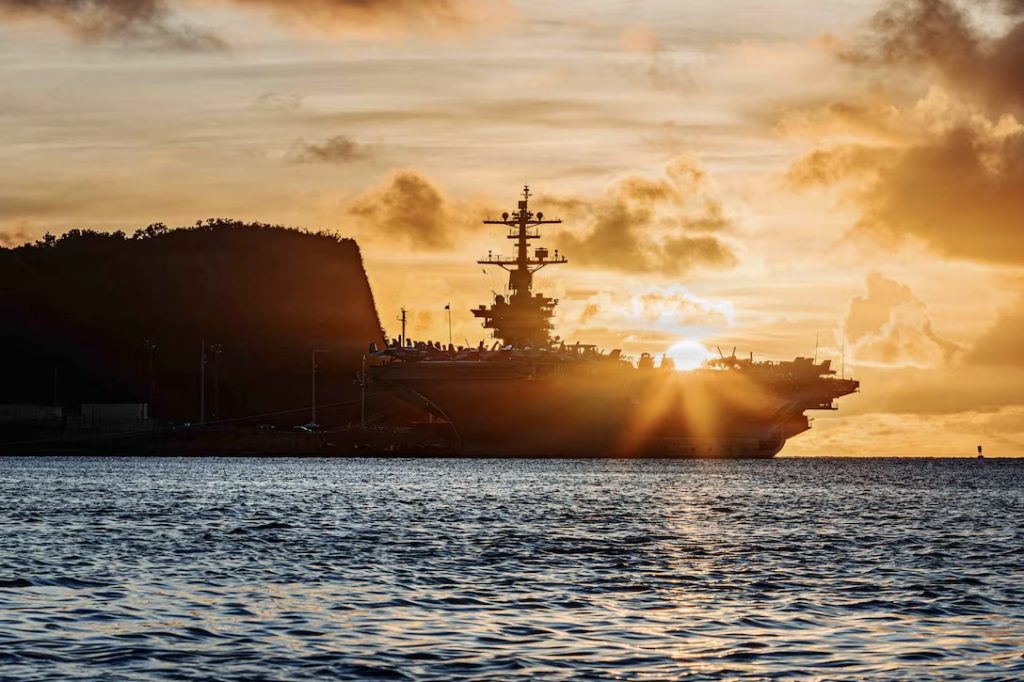
Washington attributes the traffic increase to several factors. First, US military support. Even before the ceasefire, the US deployed a multi‑layered defence system in the region under CENTCOM, including naval and air forces.
These measures, according to US officials, have boosted shipping companies’ confidence and allowed tankers to use the southern route along Oman’s coast, which is considered safer.
Second, economic pressure. As gCaptain notes, Iran gained leverage by closing the strait during the conflict, but the depletion of crude oil stocks and the sharp rise in energy prices made the war “politically untenable,” prompting President Donald Trump to pursue a ceasefire agreement.
Iran Insists on Control, Washington Demands Guarantees
Shipping recovery is taking place amid fundamental disagreements between the sides. Tehran insists on maintaining control over the strait and, according to Reuters sources, is prepared to pursue it “even by force.”
Iran also signals that some vessels may be required to pay transit fees in the future.
Washington, on the other hand, demands a long‑term agreement from Iran guaranteeing free passage for commercial vessels. President Trump and Secretary of State Marco Rubio have stated that they will not agree to the collection of fees or charges for maritime services as part of a final agreement. To date, Iran has not publicly accepted US demands.
Under the memorandum, no fees will be charged during the 60‑day negotiation period, but the status of this arrangement after the deadline remains disputed.
Talks in Doha: Seeking a Compromise
The issue of shipping in the Strait of Hormuz is at the centre of indirect technical negotiations between the US and Iran, taking place this week in Doha, Qatar. US President’s special envoys Steve Witkoff and Jared Kushner held meetings with Qatar’s Prime Minister, laying the groundwork for talks, but did not participate in the technical sessions themselves.
Iran has stated that its priorities are agreeing on management of the strait and unfreezing $6 billion in frozen assets.
The US administration, for its part, insists on ensuring the free flow of vessels through the strait. As Vandana Hari, founder of analytics firm Vanda Insights, noted, “the Strait of Hormuz continues to open, but it is happening in a piecemeal, unpredictable and not fully transparent manner.”
Persistent Risks: From Threats to New Incidents
Despite the ceasefire, the situation in the strait remains tense. Last week, Iran attacked a Singapore‑flagged cargo vessel with a drone, leading to an exchange of strikes and putting the ceasefire at risk.
Washington interpreted this attack as an attempt by Tehran to reassert control over the strait after Iranian authorities realised that oil traffic was recovering rapidly despite the hostilities.
Iranian state media also reported that a foreign container ship ran aground in the Strait of Hormuz after entering shallow waters outside the shipping lane designated by Iranian authorities. In addition, Iran warned the US against any interference in strait affairs, promising a “decisive and swift” response.
The Strait of Hormuz is slowly returning to life after nearly four months of blockade, but full recovery will take months. As Anadolu notes, this is not a “sharp collapse, but a gradual and fluctuating normalisation.”
The talks in Doha are meant to determine the future of shipping in the strait, but for now the sides remain divided on key issues — from control and fees to asset unfreezing. The coming weeks will show whether the fragile ceasefire can withstand the pressure and lead to a sustainable peace.