


MEXICO CITY (Realist English). Tatyana Poloskova, Doctor of Political Science, First Class State Advisor of the Russian Federation, based on her many years of experience studying the region, reveals in an article for Realist English the role of drug cartels and explains why Mexican authorities are unable to protect even minor foreign citizens.
The material explains how drug cartels have effectively subjugated entire states.
This article is not just a chronicle of a monstrous crime, but a stern reminder of the dangers faced by foreigners, including Russians, in a country where drug trafficking and human trafficking have become part of the shadow economy and everyday life.
Mexican cartels and human trafficking
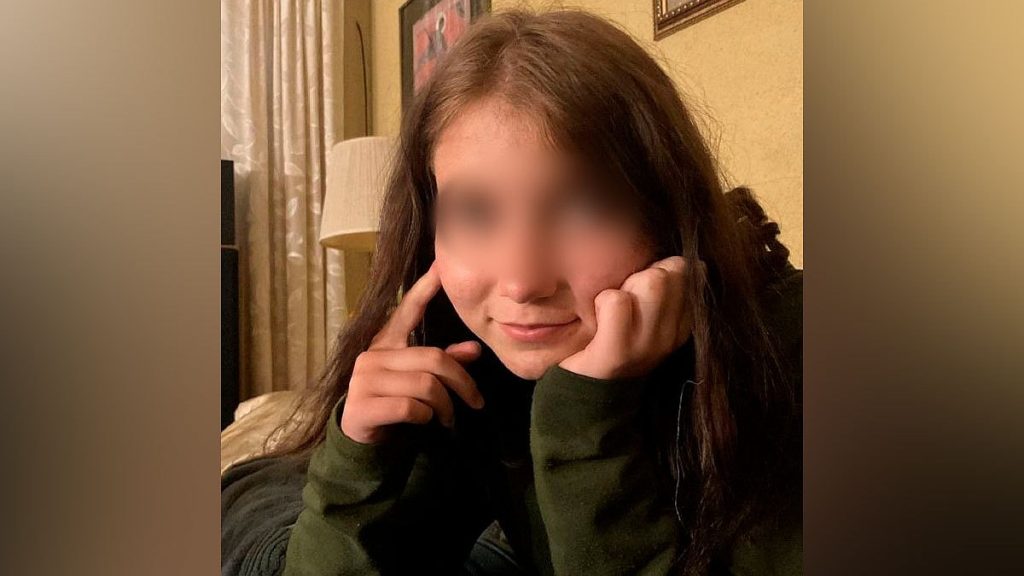
The story of the kidnapping in Mexico of the underage Russian girl Kristina Romanova, who, according to media reports and information from official sources, was forcibly taken from a school in Tijuana and since then has been unable to return to her mother – a teacher from Mexico City – is becoming increasingly alarming. Since August 2025, Mexican authorities have refused Russian embassy staff meetings with Kristina. The information that emerged about what happened to the girl was very disturbing: she was seen in dubious bars drugged, and there is evidence that she became a victim of sexual exploitation.
Trafficking in “live goods,” including even children up to ten years of age (both sexes), for subsequent export abroad, as well as drug trafficking and the trade in human organs, are among the most profitable activities of Mexican drug cartels. It is impossible to understand what is happening in Mexican society without considering the drug cartel factor.

Kristina’s kidnapping took place in Tijuana. The Tijuana drug cartel is one of the most influential in Mexico, the largest supplier of cocaine to the United States, with extensive ties in government bodies. At one time, this cartel was considered one of the most powerful and brutal criminal groups in Mexico. In recent years, it has lost some of its power, but not due to the activities of law enforcement – the cartel has long established “mutually beneficial” ties with these structures – but because of competition and wars with other cartels. Nevertheless, the cartel continues to export drugs and expand its international presence.
Among the cartel’s activities – in addition to human trafficking, including the sale of children abroad for sexual exploitation – are drug trafficking, money laundering, murder, arms trafficking, and kidnapping for the purpose of selling organs as donor material. Open sources contain information about cases of sexual exploitation and kidnapping that may be linked to the activities of the Tijuana cartel. It is also known for its numerous corrupt ties within the police and courts.
Mother’s version and official response
According to Kristina’s mother (who, it turned out, is adoptive), who lives permanently in Mexico City, the girl was forcibly taken from a school in Tijuana by people posing as child welfare officers (the DIFEM service). That a drug cartel specializing in child trafficking for sexual exploitation has ties to child welfare agencies, especially in Tijuana, is not surprising to me. The girl’s mother has been knocking on the doors of all Mexican institutions for almost three years. The country’s president, who has declared an uncompromising war on cartels not just in words, the Russian embassy, and human rights activists have become involved in Kristina Romanova’s case.
In the summer of 2025, the authorities of Tijuana finally allowed Russian consular officials four meetings with Kristina. During one of them, Kristina handed over a written appeal for help and asked to be returned to Russia. The Russian ambassador recently met with the girl in person. At the meeting with the Russian ambassador, according to media reports, the girl behaved clearly inappropriately: she refused to speak Russian and, judging by her behavior, was very frightened.
Abuse and attempts to hide the victim
According to information leaked to the local media, in recent months Kristina has been raped, drugged, and moved from city to city to hide her from the embassy. She experienced pregnancy and an abortion while under the influence of potent drugs. At the aforementioned meeting with the Russian ambassador, Kristina not only refused to speak Russian but also denied her own words about wanting to return to her homeland as soon as possible. She claimed that she had said that earlier under pressure from the consulate. Moreover, Kristina spoke out against further meetings with Russian diplomats. It is unlikely that she is attracted by the prospect of ending her life in a drug den. But, it seems, there is no other option.
In a few months, Kristina will turn 18, and her mother will no longer be able to decide her fate. Unfortunately, there are many such stories. And there is another nuance: Kristina has two passports – Russian and Mexican. Her Mexican citizenship significantly complicates the ability of Russian structures to rescue her from the web of the Tijuana cartel. There are well-founded fears that the criminals will wait until Kristina turns 18 and then sell her into slavery. According to one version, the cartels may take the girl immediately after she receives her documents.
The Mexican authorities’ version
In fairness, it should be said that the Mexican authorities, as reported by the newspaper Jornada, offer a somewhat different interpretation of the reasons why Kristina Romanova ended up in Tijuana. According to their version, Kristina initially became a victim of sexual abuse within her own family (by the way, her mother is actually adoptive). This, in principle, does not change the essence.
The Attorney General’s Office of the State of Mexico (FGJEM) reported that in 2023 Kristina Romanova was placed in a dormitory of the Ministry of Justice. A criminal case was opened regarding the abuse in the foster family against Kristina’s stepbrother, and an arrest warrant was issued for him. In the fall of 2024, Kristina ran away from the Ministry of Justice dormitory and went to Tijuana. Then her fate was “taken care of” by the local drug cartel.
Mexican authorities last week declared their readiness to send Kristina to Russia if she expresses such a wish during the court proceedings. Only, is there anyone for her to go to in Russia, and is she free in her desires now?
Instead of a conclusion
Mexico is a country that attracts some Russians who have chosen to leave Russia: ancient culture, white‑sand beaches, mariachi singing, incomparable Mexican cocktails, and, in general, a friendly population. Only one should not confuse tourism with emigration. And one should not confuse a vacation in Cancun hotels with everyday life in Mexican states where the octopus of drug cartels still rules, having penetrated all spheres of governance and business life in Mexico. One can only sincerely wish the President of Mexico, Claudia Sheinbaum, steadfastness and fortitude in her declared uncompromising fight against the drug cartels that have become a true nightmare for the Mexican people.
Tatyana Poloskova — Doctor of Political Science, First Class State Advisor of the Russian Federation, specially for Realist English