


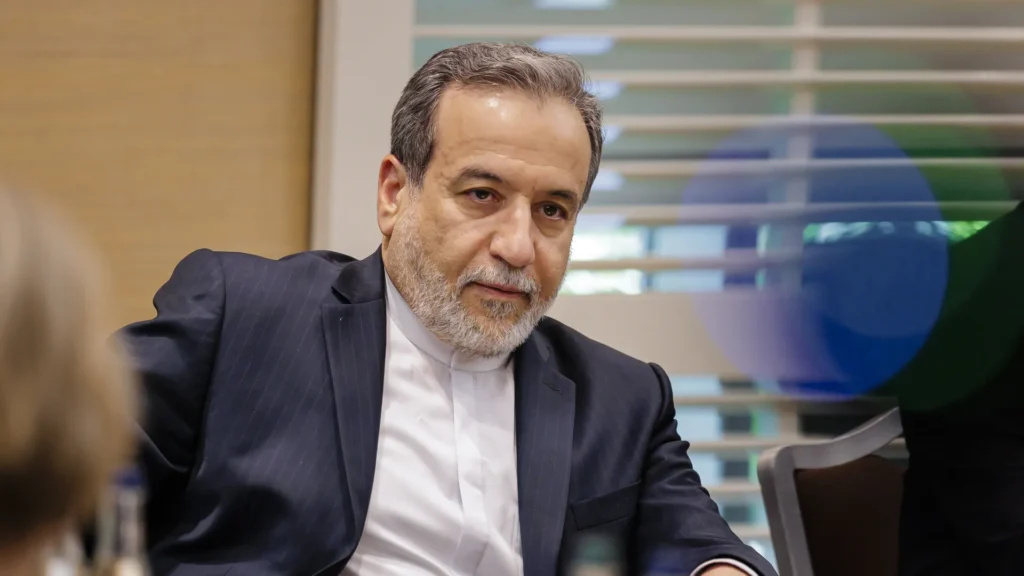
WASHINGTON (Realist English). A direct communication channel between U.S. envoy Steve Witkoff and Iranian Foreign Minister Abbas Araghchi has recently been reactivated, according to sources familiar with the situation, marking the first known contact since the start of the war more than two weeks ago.
The exchanges reportedly consisted of text messages initiated by the Iranian side and focused on ending hostilities, although their scope and substance remain unclear.
No formal negotiations
U.S. officials stressed that the contacts do not amount to negotiations.
One official said Washington “is not talking” to Iran in any formal capacity, despite acknowledging that communication has taken place.
Neither side has disclosed how many messages were exchanged or provided details about their content.
Conflicting reports have emerged, with some suggesting the U.S. initiated outreach, while Iranian officials claimed Araghchi ignored messages from Washington. U.S. sources maintain that Tehran made the first move.
Trump: contacts exist, authority unclear
President Donald Trump confirmed that communication between the two sides had occurred but questioned whether the Iranian representatives involved have the authority to negotiate.
“They want to make a deal. They are talking to our people … but we don’t know who they are,” Trump said.
He added that while he remains skeptical about Iran’s readiness for a deal, he does not rule out talks.
Key disagreements persist
U.S. officials dismissed Iran’s reported demand for reparations as part of any potential agreement.
At the same time, they signaled openness to a broader deal that could allow Iran to reintegrate into global markets and resume oil exports under certain conditions.
“The president is open to a deal, but not from a position of weakness,” a senior official said.
Iran rejects ceasefire framework
Iranian officials have publicly denied engaging in ceasefire negotiations with Washington.
They have also rejected the idea of a temporary truce, arguing it would give the U.S. and Israel time to regroup for further military action.
Tehran has indicated that any agreement would require guarantees of a lasting settlement.
Uncertainty over decision-making
Questions remain over who holds decision-making authority in Iran following recent leadership changes.
While Araghchi is not widely seen as a key decision-maker, sources say he is coordinating with Ali Larijani, secretary of Iran’s Supreme National Security Council, who has taken on a more prominent role.
Despite this, U.S. officials view Araghchi as the primary channel for communication due to existing contacts and his continued role within Iran’s leadership.