


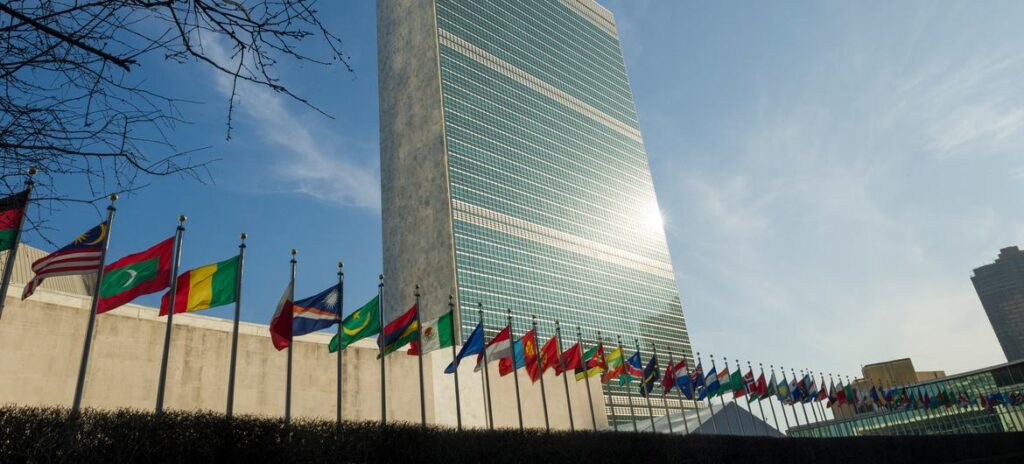
NEW YORK (Realist English). The United Nations has completed its revised budget assessment for 2026, proposing more than $500 million in spending cuts as part of Secretary-General António Guterres’ “UN80” initiative, launched to mark the organization’s 80th anniversary.
The new estimates, presented Monday to the UN Advisory Committee on Administrative and Budgetary Questions, envision a 15.1 percent reduction in expenditures and an 18.8 percent cut in staff posts compared with the 2025 budget. The peacekeeping support budget, which funds personnel and services for UN missions worldwide, is also slated for reductions.
In a letter to member states, Guterres stressed that the adjustments followed a comprehensive review of resource allocation. He said the cuts were “carefully calibrated and targeted rather than across-the-board,” with an effort to maintain balance between the UN’s three pillars — peace and security, human rights and sustainable development.
Key programs remain shielded, including direct support to member states, especially least developed, landlocked and small island states, as well as African development initiatives. The Peacebuilding Fund and the resident coordinators’ system are unaffected, while regional economic commissions will not face major changes. The Regular Programme of Technical Cooperation is set to expand further.
The proposals also include early steps in Secretariat reform: the establishment of new administrative centers in New York and Bangkok, consolidation of payroll into a global service team in New York, Entebbe and Nairobi, and the relocation of some functions from high-cost hubs such as New York and Geneva to more cost-effective locations. By 2027, the UN plans to vacate two leased buildings in New York to cut real estate costs.
The recommendations will be reviewed by the Advisory Committee this week before moving to the General Assembly’s Fifth Committee, where all 193 member states will take a final decision. A vote is expected by December, with implementation phased in beginning in 2026.
In a message to UN staff, Guterres acknowledged that the reforms would affect daily work but assured employees they would not be left without support. He said the choices were difficult and assumed personal responsibility for them, urging fairness, compassion and professionalism in carrying out the changes.