


TEHRAN (Realist English). On May 26, US armed forces struck southern Iran, destroying two boats of the Islamic Revolutionary Guard Corps (IRGC) and a surface-to-air missile system. Yet just hours earlier, President Donald Trump had again spoken of “good progress” in negotiations. Military escalation and diplomatic signals have once again intertwined in a contradictory knot.
“Self-defence” strikes: what happened
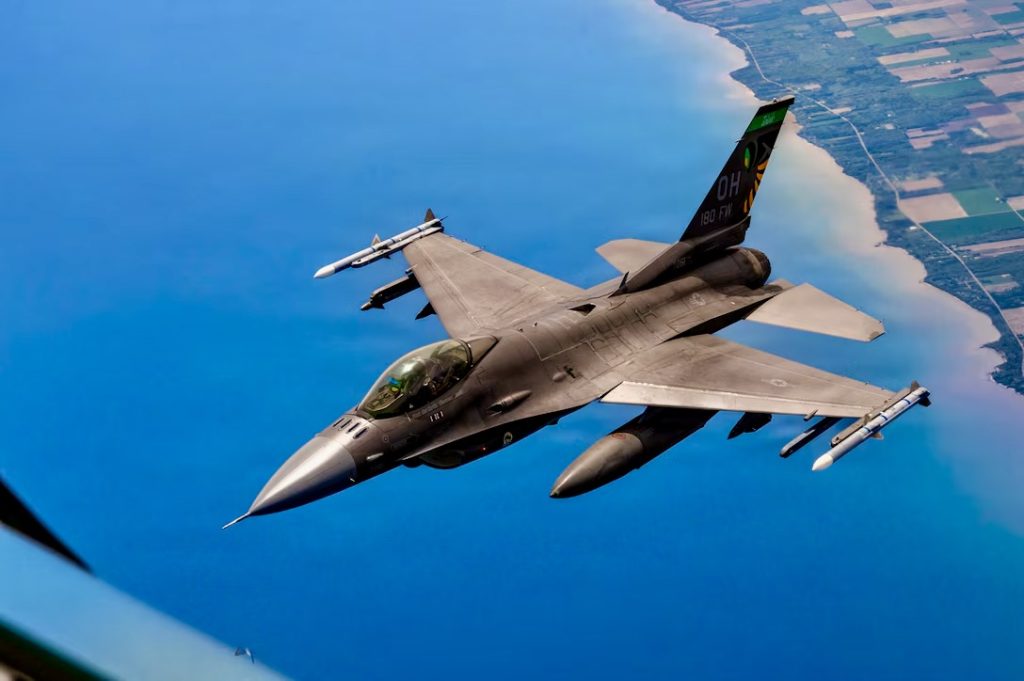
Early in the morning of May 26, US aircraft struck targets near Bandar Abbas – Iran’s main naval base in the Strait of Hormuz. According to US Central Command (CENTCOM) spokesman Tim Hawkins, these were “self-defence strikes.” He said the targets were two Iranian boats that were trying to lay mines in the strait, as well as a missile launcher that posed a threat to American aircraft.
Iranian state television confirmed the attacks. According to the Fars news agency, at least four people were killed in the strikes. Tehran has not yet officially commented on the scale of the casualties, but IRGC spokesman Ebrahim Zolfaghari has already issued a harsh statement.
“As long as the Americans continue their military adventures in our region, no agreement will be reached,” he wrote on social media, adding a resonant phrase: “Say hello to $200 oil.”
Trump: a deal or “stronger” strikes
Despite the escalation, the US president has maintained a dual tone. On the same day, he wrote on Truth Social that negotiations were “proceeding nicely.” However, he immediately added a warning:
“The deal will either be good for everyone, or there will be no deal at all – back to the front line and shooting, but bigger and stronger than ever before.”
At the same time, face-to-face consultations continue in Doha, mediated by Qatar and Pakistan. The Iranian delegation is led by Foreign Minister Abbas Araghchi and Parliament Speaker Mohammad Bagher Ghalibaf.
Nuclear ultimatum and disagreements over uranium
The central point of contention remains the fate of Iran’s enriched uranium. Trump again laid down tough demands on his social media platform:
“Enriched uranium (nuclear dust!) will either be handed over immediately to the United States for removal and destruction, or destroyed on site – or at another acceptable location – under IAEA supervision.”
However, Tehran categorically denies that this issue is even being discussed. The Tasnim news agency, which is close to the IRGC, called reports of uranium transfer a “fake” and part of a “psychological operation” aimed at weakening Iran’s negotiating position. The statement stresses:
“In the text of the memorandum that exists today, there is not a single statement about any readiness to remove nuclear materials. Iran has assumed no obligations on nuclear issues in this memorandum.”
Iranian Foreign Ministry spokesman Esmaeil Baghaei confirmed that the talks are aimed at ending the war, and that details of the nuclear programme are not on the agenda at this stage.
Hormuz: navigation talks
Meanwhile, consultations continue between Iran and Oman on the future navigation regime in the Strait of Hormuz. Baghaei said that the proposal to charge a fee for the passage of ships is “false”, while permissible “service fees” are standard practice for paying for navigation services.
The US, for its part, continues to maintain a naval blockade of Iranian ports. Trump stressed:
“The blockade will remain in full force until an agreement is reached, confirmed and signed.”
The Israeli factor: readiness for immediate war
Against this backdrop, Israel continues to build up its military muscle. On May 24, IDF Chief of Staff Eyal Zamir declared his readiness to “immediately resume intensive military action against Iran.” He also stressed that the Israeli army continues to strike Hezbollah in Lebanon, despite a formal ceasefire.
The Iranian Mehr news agency reported on May 22 that Israeli intelligence services fear a sudden attack by Iran on the Gulf states and Israel.
Military escalation is proceeding in parallel with diplomatic activity, while the key issues of the nuclear programme and the future of navigation in the Strait of Hormuz are not only unresolved but are being exacerbated by new contradictions.
The oil market immediately reacted to the string of contradictory signals, but despite the fall in prices amid hopes for a ceasefire, analysts warn that if the talks fail, prices could spike sharply. The situation remains explosive, and the fate of regional stability depends on the outcome of the diplomatic duel in Doha.