


MADRID (Realist English). Iván Jiménez, head of the administration of the Spanish port of Bilbao — which manages one of Europe’s key gas hubs — has called on the European Union to delay the entry into force of the ban on imports of Russian liquefied natural gas (LNG), scheduled for January 1, 2027.
In his view, a hasty rejection of Russian fuel could lead to excessive EU dependence on US energy resources.
“I think this is not the right time to reduce the volumes of gas supplied from Russia, because it could become a very problematic issue for the European Union,” Jiménez said in an interview with the Financial Times.
He noted that “we need more resilience,” and that Russian gas is “of good quality… and in terms of price it is usually cheaper than gas supplied from the States.”
Supply Growth Amid the Ban
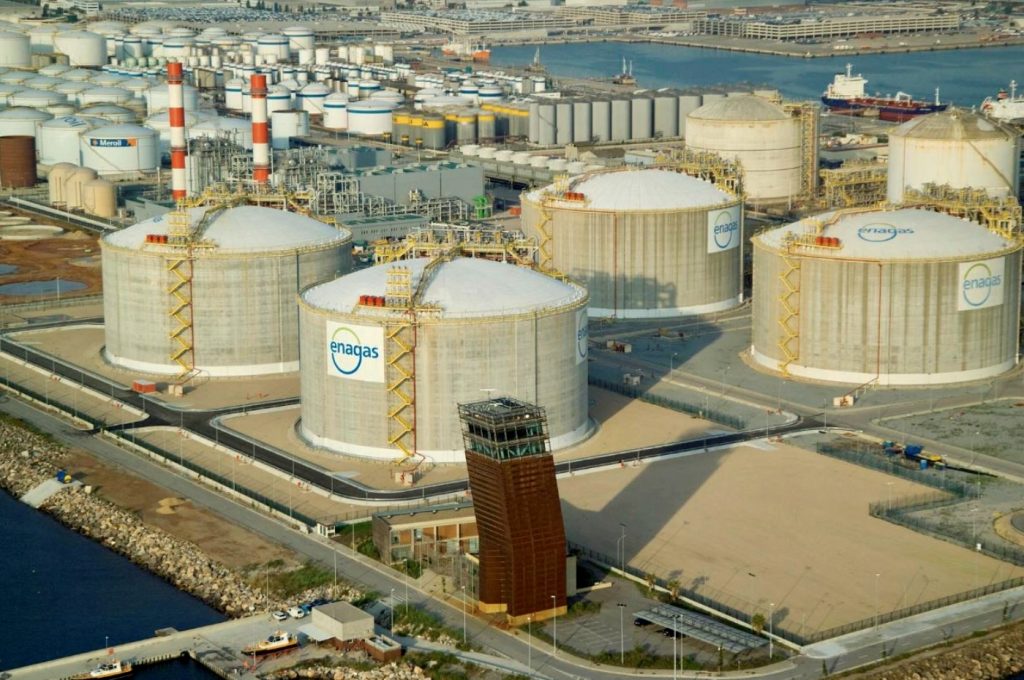
Jiménez’s appeal comes against a paradoxical trend: despite political statements about the need to abandon Russian energy, imports of Russian LNG into Europe continue to grow. According to data from Spain’s gas grid operator Enagás, in May 2026 Russia accounted for 27.8% of Spain’s gas supply, which is 58.5% higher than in May 2025.
The situation in the port of Bilbao is particularly telling. In 2024, Russian gas accounted for more than three‑quarters of supplies; in 2025 its share fell to 48%, while US gas rose to 49%. However, from January to May 2026, the share of Russian LNG in the port rose again to 59%, while the US share fell to 40%.
Embargo Details and Brussels’ Position
In January 2026, the EU Council approved a regulation on the phased abandonment of Russian gas imports. The ban on LNG imports under short‑term contracts came into force on April 25, 2026; under long‑term contracts, it will take effect on January 1, 2027. For pipeline gas, the deadlines are different: short‑term contracts have been banned since June 17, 2026, and long‑term contracts since November 1, 2027. A full rejection of Russian gas is planned by the end of 2027.
The European Commission has provided for the possibility of a postponement until November 2027 if member states face problems filling gas storage facilities. However, Spain’s Energy Minister Sara Aagesen Muñoz said the ban should be introduced on schedule, calling the increase in imports from Russia “temporary.”
Political Context and Risks
Jiménez expressed confidence that the administration of US President Donald Trump would insist on maintaining the ban, as it would increase US LNG exports to Europe. However, in his words, “the European Union needs to be stronger and understand what is better for it.”
Bilbao has become the fourth most popular European destination for Russian LNG, after Belgium’s Zeebrugge and the French ports of Montoir and Dunkirk. Part of the gas imported through Spain, France and Belgium is supplied to consumers outside these countries, including the German company Sefe.
The position of the head of the Bilbao port reflects growing contradictions within the EU: between the political goal of fully abandoning Russian gas and the economic reality where Russian fuel remains competitive and in demand.
It remains unclear whether Brussels can maintain its course towards energy independence without harming the region’s economic stability.