


LONDON (Realist English). At the close of trading on 25 April, Brent crude oil prices settled above $105 per barrel, posting the largest weekly jump since the start of the Middle East conflict — up 16%.
The blockade of the Strait of Hormuz, according to estimates by the International Energy Agency (IEA), has removed 13 million barrels per day of oil from global supply, which IEA Executive Director Fatih Birol called “the biggest threat to energy security in history.”
Oil prices: Brent above $105, Urals around $90
The price of Brent crude futures on ICE Futures stood at $105.33 per barrel (+0.3% on the day). US WTI (Light Sweet) closed at $94.40 (-1.5%). The OPEC basket reached $106.28. Russian Urals traded near $90 per barrel, narrowing its discount to Brent to ∼$18 (down from $24 in February). The average Urals price since the beginning of the year is $65, 46% above the budgeted level ($59).
Gas: divergent dynamics
Natural gas showed a split: US Henry Hub fell 3.48% to $2.523 per MMBtu, while European TTF rose 2% and Asian JKM gained 1.64%. The average monthly spread between US and European gas prices in March reached $14.86 per million BTU.
IEA: gas deficit of 120 billion cubic metres
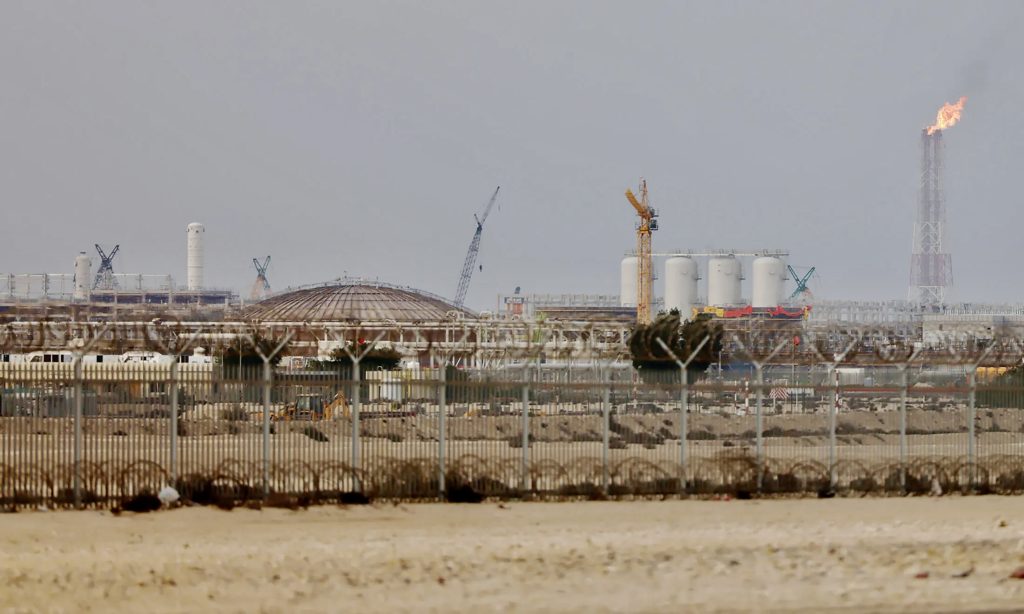
The war in Iran, according to the IEA, has removed about one‑fifth of global LNG supplies (Qatari facilities have been damaged). The agency estimates the cumulative gas deficit for 2026–2030 at 120 billion cubic metres.
Expert forecasts
Oxford Institute for Energy Studies (OIES): oil deficit in 2026 — 2.1 million bpd. Peak in the second quarter (deficit of 4.6 million bpd). Brent forecast: $102 in Q2, $95 in Q3, $86 in Q4, then falling to $75 by mid‑2027.
Goldman Sachs: baseline 2026 forecast — $83 for Brent, but current flow through Hormuz is only 2.1 million bpd (∼10% of normal). Average production disruptions in the Persian Gulf in March amounted to 8 million bpd.
Rabobank (Bas van Geffen): markets are underestimating real supply risks. An inflationary shock is inevitable, and a prolonged conflict will amplify the stagflationary impact on the global economy.
BNY Mellon (Bob Savage): the scale of damage to energy infrastructure is such that recovery will take years. Damage to Qatari facilities could require several years of repairs.
TD Asset Management (Hussein Allidina): after a ceasefire, full normalisation of shipments will take two to three months because of the backlog of tankers.
Price forecasts
Analyst consensus:
- Brent for Q2 2026: $102–110
- Brent by end of 2026: $86–91
- Brent for 2027: ∼$76–81
Energy markets remain in a zone of acute geopolitical turbulence. Brent is firmly above $105, Urals has approached $90, and gas is trading in divergent directions. The IEA has confirmed the largest supply shock in history. The main uncertainties are the duration of the Hormuz blockade, the return of Iranian oil (up to 10 million bpd), and the global economy’s ability to withstand current prices without sliding into recession.