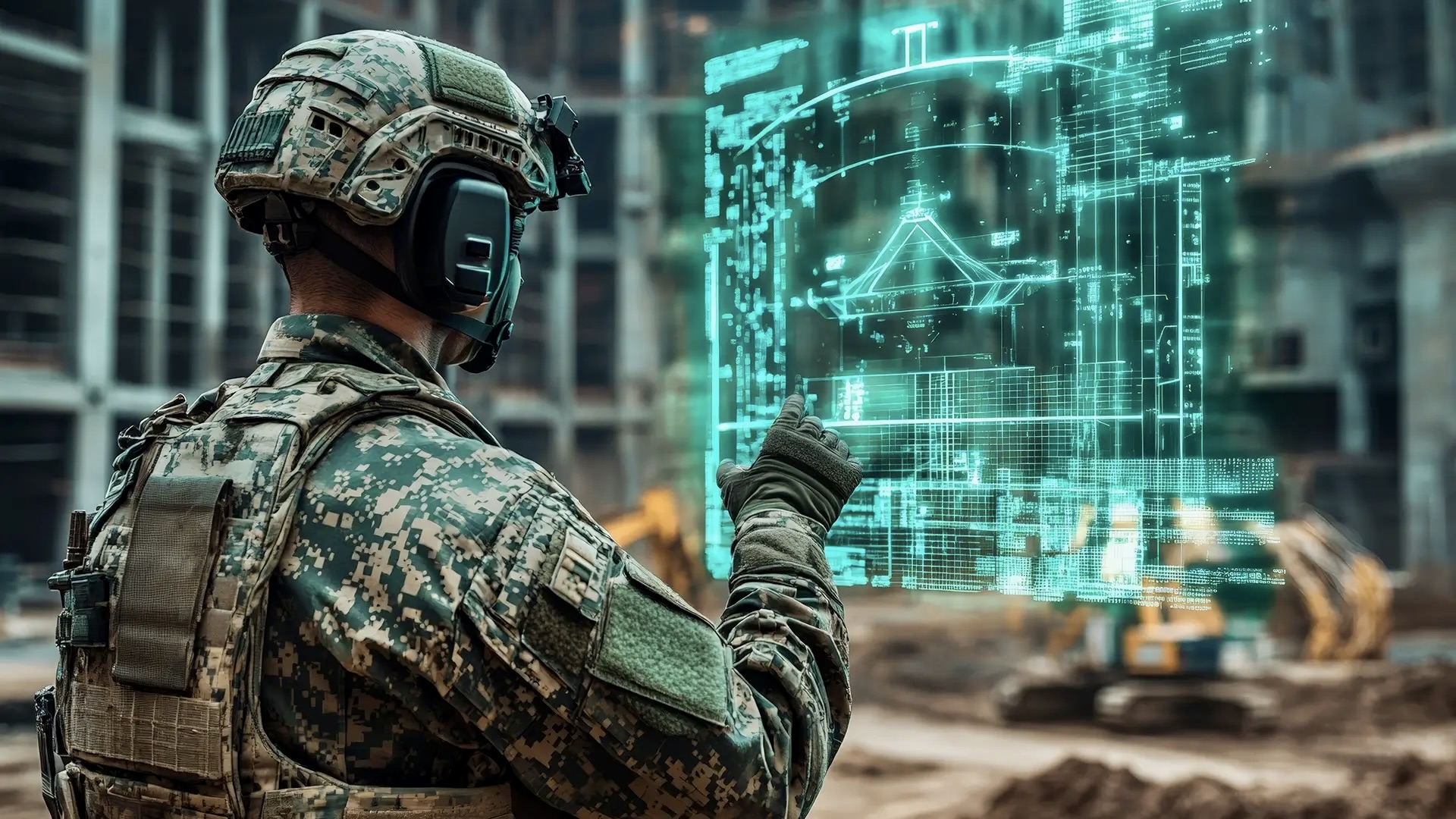
GENEVA (Realist English). Artificial intelligence is no longer just reshaping modern armed forces — it is calling into question the very foundations of international humanitarian law and strategic stability.
From autonomous weapons systems to AI decision-support tools and the integration of algorithms into nuclear command structures, the spectrum of threats requiring international regulation is expanding by the year.
However, attempts to develop a multilateral control mechanism are encountering fundamental disagreements among the great powers.
Current State: From Declarations to Concrete Steps
The international community stepped up its efforts to regulate military AI in 2026. In June, informal consultations on military AI and its implications for international peace and security were held in Geneva under UN General Assembly resolution 80/58. These consultations were preceded by a series of webinars under the “Military AI, Peace and Security” (MAPS) dialogues organised by the UN Office for Disarmament Affairs.
In 2026, the UN Institute for Disarmament Research (UNIDIR) launched the Centre of Excellence on AI, Peace and Security — a global, permanent platform aimed at turning discussions into practical outcomes.
A key forum remains the Convention on Certain Conventional Weapons (CCW), where discussions on fully autonomous weapons systems have been ongoing since 2014. According to experts, the Seventh CCW Review Conference in November 2026 and the expiration of the mandate of the Group of Governmental Experts (GGE) in December could provide the “most significant opportunity in a decade” to establish international rules.
Great Power Positions: Divisions on All Fronts
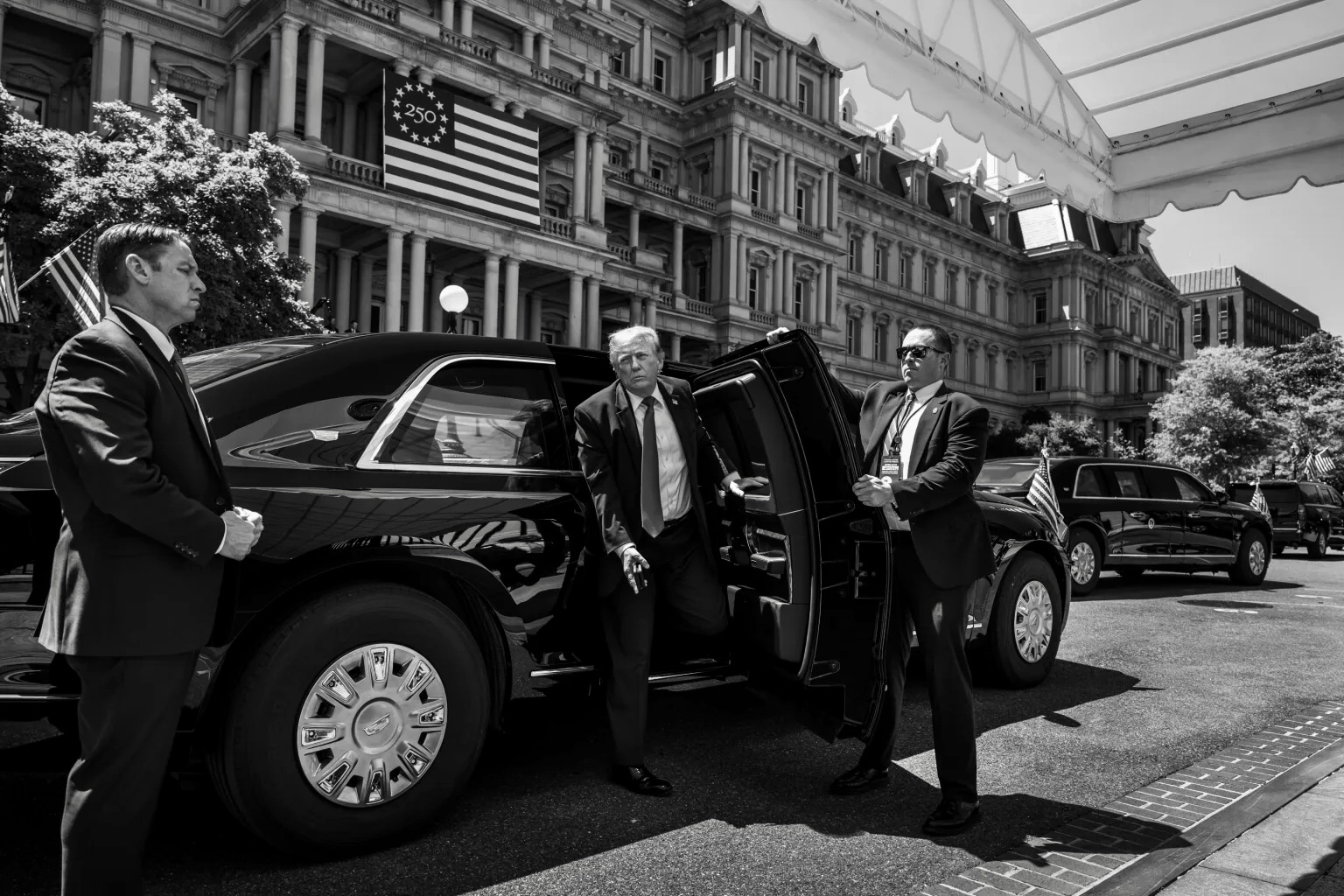
The United States is the main source of contention. In November 2025, Washington voted against two UN First Committee resolutions on military AI, despite having supported similar initiatives the previous year. The US delegation explained its position by stating that the resolutions “risk embarking on an undesirable and unhelpful path toward creating a global governance regime aimed at establishing centralised control over a critical technology.” The Trump administration views AI as a battleground for “global dominance” and is unwilling to bind its hands with international restrictions.
China takes the opposite stance. At the Shangri-La Dialogue in May 2026, the Chinese delegation called on the international community to close the “regulatory vacuum” around military AI and advocated for developing rules that could become legally binding in the near future. Beijing insists on multilateral mechanisms within the UN framework rather than bilateral agreements with Washington.
Russia, like the US, voted against the UN resolutions on military AI in November 2025. Together with the US, Israel and North Korea, Moscow is blocking initiatives aimed at creating a global control regime.
The Only Island of Consensus: Nuclear Weapons
The only area where the US and China have reached mutual understanding is the prevention of transferring control over nuclear weapons to algorithms. In November 2024, the leaders of the two countries jointly declared that it must be a human, not AI, who controls the decision to use nuclear weapons.
However, as experts from the International Institute for Strategic Studies (IISS) note, this understanding remains “broad and declaratory,” and the gap between its symbolic weight and operational content is “only widening.” The US and China have agreed to establish a bilateral channel on AI governance, but it remains unclear whether this mechanism will solidify existing agreements or whether they will “quietly slip away.”
‘Human in the Loop’: The Illusion of Control
The central issue in the debates remains the principle of “human in the decision-making loop.” However, experts warn that simply having a human in the loop does not solve the problem. As noted at the June consultations in Geneva, “placing a human in the loop does not necessarily solve these problems if operators become overly reliant on automated outputs or simply approve machine-generated recommendations without meaningful review.”
Moreover, as highlighted in analytical materials, “the real danger of algorithmic warfare lies not in full autonomy, but in sharply accelerated escalation and sharply expanded scale of strikes.” AI can generate hundreds or thousands of potential targets in seconds, and commanders risk becoming accustomed to the “bloodlessness” of such decisions.
AI Integration into Nuclear Systems: A New Threat
Particular concern is raised by the integration of AI into nuclear command, control and communications systems. UN General Assembly resolution 80/23 of December 2025 calls for awareness of the risks arising from the integration of AI into nuclear command structures.
The International Commission on the Military Use of AI has called for legally binding agreements guaranteeing that decisions on the use of nuclear weapons remain under human control.
Multilateral control over military AI remains more a declaration of intent than a real mechanism. While the great powers diverge in their approaches to regulation, AI continues to be integrated into military systems worldwide, increasing the risks of miscalculation, escalation and an uncontrolled arms race.
UN Secretary-General António Guterres set 2026 as the deadline for establishing clear rules, but consensus remains elusive. The question is whether diplomacy can keep pace with technology — or whether the world will enter a new era where algorithms determine the fate of millions.