WASHINGTON (Realist English). President Donald Trump has announced that US and Iranian officials will hold talks on June 30 in Qatar.
The announcement came after the two sides exchanged strikes on June 27–28, putting the fragile truce brokered on June 17 at risk.
According to a senior US administration official, Washington and Tehran have agreed to halt attacks and allow vessels to move freely through the Strait of Hormuz while technical negotiations continue.
“We have decided to cease all kinetic actions,” the source said, using a military term for strikes and other attacks.
Escalation of June 27–28
June 27–28 saw a new wave of violence that called into question the fate of the peace agreement. On June 27, an Iranian drone struck the Panamanian-flagged tanker M/T Kiku, which was carrying about two million barrels of crude oil near the Strait of Hormuz.
In response, US Central Command (CENTCOM) launched airstrikes against ten Iranian military targets in the strait area and on Qeshm Island. The targets included “intelligence infrastructure, communications systems, air defence facilities, drone storage sites and mine-laying vessels.”
President Trump, commenting on the situation, threatened Tehran: “There will come a time when we can no longer be reasonable and will be forced to finish militarily the job we have very successfully begun. If that happens, the Islamic Republic of Iran will no longer exist!”
In response to the US strikes, the Islamic Revolutionary Guard Corps (IRGC) said its naval and air forces had conducted a joint missile-and-drone operation targeting US military facilities in Kuwait and Bahrain. In Bahrain, which hosts the headquarters of the US Fifth Fleet, air raid sirens sounded.
The Kuwaiti army also reported that its air defence systems were repelling “hostile” missile and drone attacks. US officials have not yet reported casualties or significant damage from these attacks.
Iran Claims Control Over Strait: ‘Managing the Ceasefire’
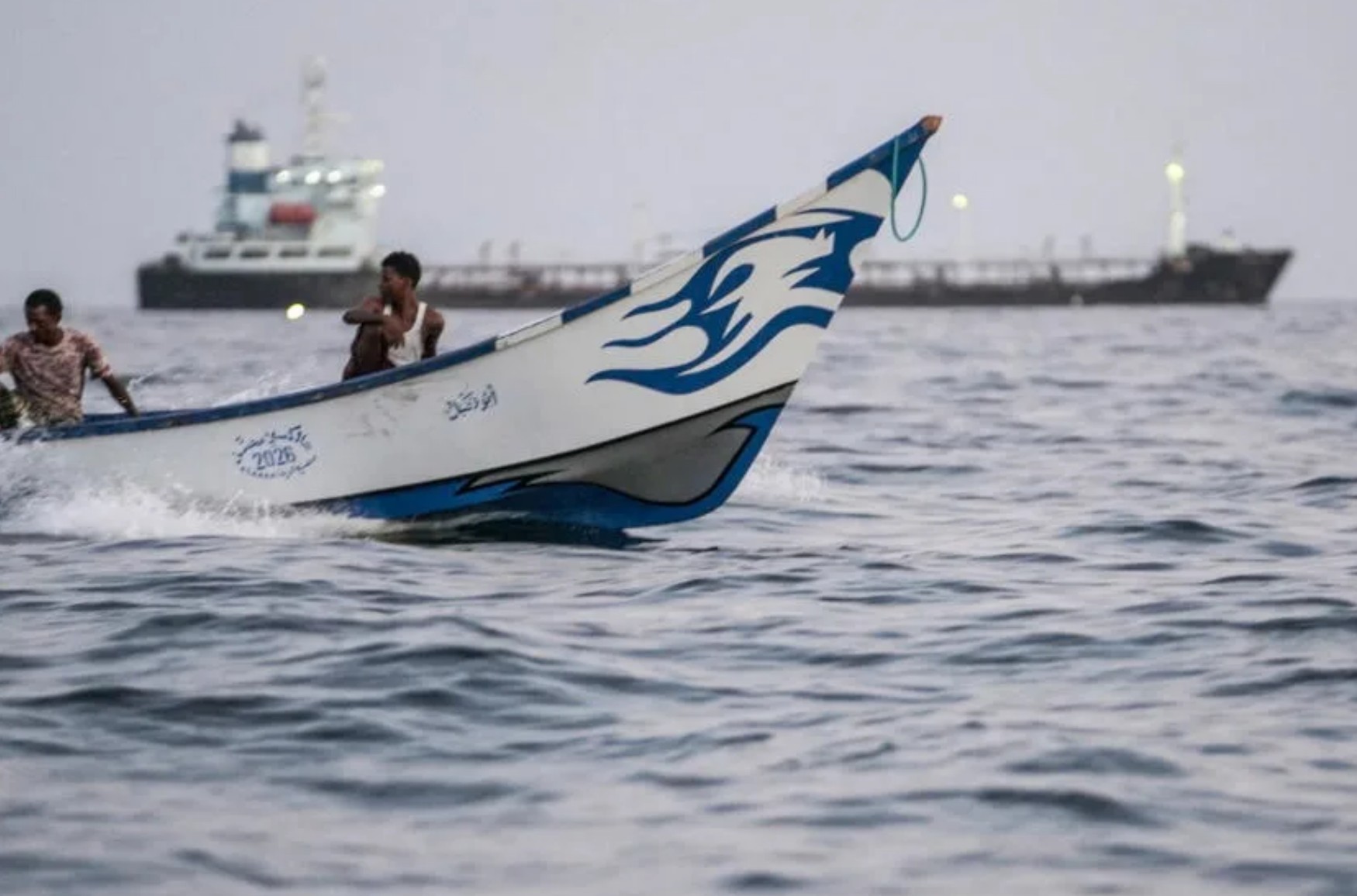
The escalation of June 27–28 was a direct consequence of the struggle for control over the Strait of Hormuz — a strategically vital artery through which about 20% of the world’s oil passed before the war. Iran, which effectively closed the strait at the start of the conflict, insists on its right to manage shipping.
Iranian Foreign Minister Abbas Araghchi said the strait would remain under full Iranian control and supervision for the next 30 days. Tehran demands that all vessels use only routes designated by Iranian authorities, warning that any deviation will be considered a violation of the ceasefire.
As CNN notes, while the US promotes a southern route along Oman’s coast, Iran sees this as an attempt to undermine its control.
“If any vessel tries to pass through the strait without our permission… it bears responsibility for any consequences,” Iranian military officials warned.
The head of the Iranian parliament’s National Security Commission, Ebrahim Azizi, described Iran’s actions as “managing the ceasefire.”
Fragility of the Truce and Prospects for Talks
The ceasefire agreement brokered on June 17 came under threat just 11 days after its signing. As CNN writes, “the new clashes between the US and Iran have revealed the fragility of the truce.”
The reason was disagreements over vaguely worded provisions of the memorandum of understanding, particularly regarding the management of the Strait of Hormuz.
Trump, seeking to preserve the agreement, was forced to enter talks. The meeting in Doha was originally intended to address Iran’s nuclear programme, but the escalation shifted the focus to the issue of shipping in the strait.
Nick Stewart, head of the US technical team, is expected to take part in the June 30 talks.
As CNN notes, each side has vital national interests in preserving the truce: for Trump, it is preserving his “triumphant deal”; for Iran, it is an attempt to cement its influence in the region.
Impact on Shipping and the Global Economy
The conflict has already affected shipping in the strait. According to Kpler, which tracks vessel movements, only 22 ships passed through the strait on June 28, compared to 48 on June 26. Oil prices, despite the escalation, remain close to pre‑war levels. However, analysts warn of risks.
As the Royal United Services Institute noted, “Iran is likely to continue calibrated, low‑intensity coercive activity in the Strait of Hormuz… to exert constant pressure on international shipping without provoking a wider conflict.”
The escalation of June 27–28 showed how far Iran is willing to go in its efforts to control the Strait of Hormuz, while at the same time demonstrating the fragility of the truce between Washington and Tehran. The upcoming talks on June 30 in Doha will be a crucial test for the peace process.
Analyst Wolfgang Pusztai warned: “If a strike accidentally hits a residential area, if a large number of civilians are killed in Arab Gulf states, or if a US base is struck sufficiently hard to cause US military casualties, the situation could very easily spiral out of control.”