WASHINGTON (Realist English). Just one week after the signing of the preliminary memorandum of understanding between the US and Iran, the Trump administration has faced a double challenge.
While Secretary of State Marco Rubio is trying to convince Gulf allies that Washington is not abandoning them, the US Senate dealt a painful blow to the president’s political image by voting to restrict his war powers, only to reverse the decision the following day under Trump’s pressure.
‘Disastrous Turning Point’ for the Gulf
For the Arab monarchies of the Persian Gulf, the signing of the memorandum came as a shock.
“From the perspective of the Arab Gulf states, the war with Iran is a disastrous turning point for the regional security order,” Hassan Alhasan, Senior Research Fellow at the International Institute for Strategic Studies (IISS), told CNN.
In his view, the agreement reflects a broader US withdrawal from the region: “The US withdrawal from the Gulf and the flow of financial and economic resources to Iran will most likely further strengthen Tehran.”
Allies’ main concerns centre on three key aspects of the agreement:
- The $300 billion reconstruction fund for Iran. Allies fear the funds will be used to restore Tehran’s military potential.
- The lack of restrictions on Iran’s missile programme. The agreement does not address Tehran’s ballistic missiles, which the Gulf monarchies consider a more immediate threat than the nuclear programme.
- Iran’s role in the Strait of Hormuz. The memorandum grants Iran a formal role in controlling commercial shipping through the strait. According to a senior diplomat from one Gulf state, the conflict showed that “Iran had a well‑developed plan” to strike the region.
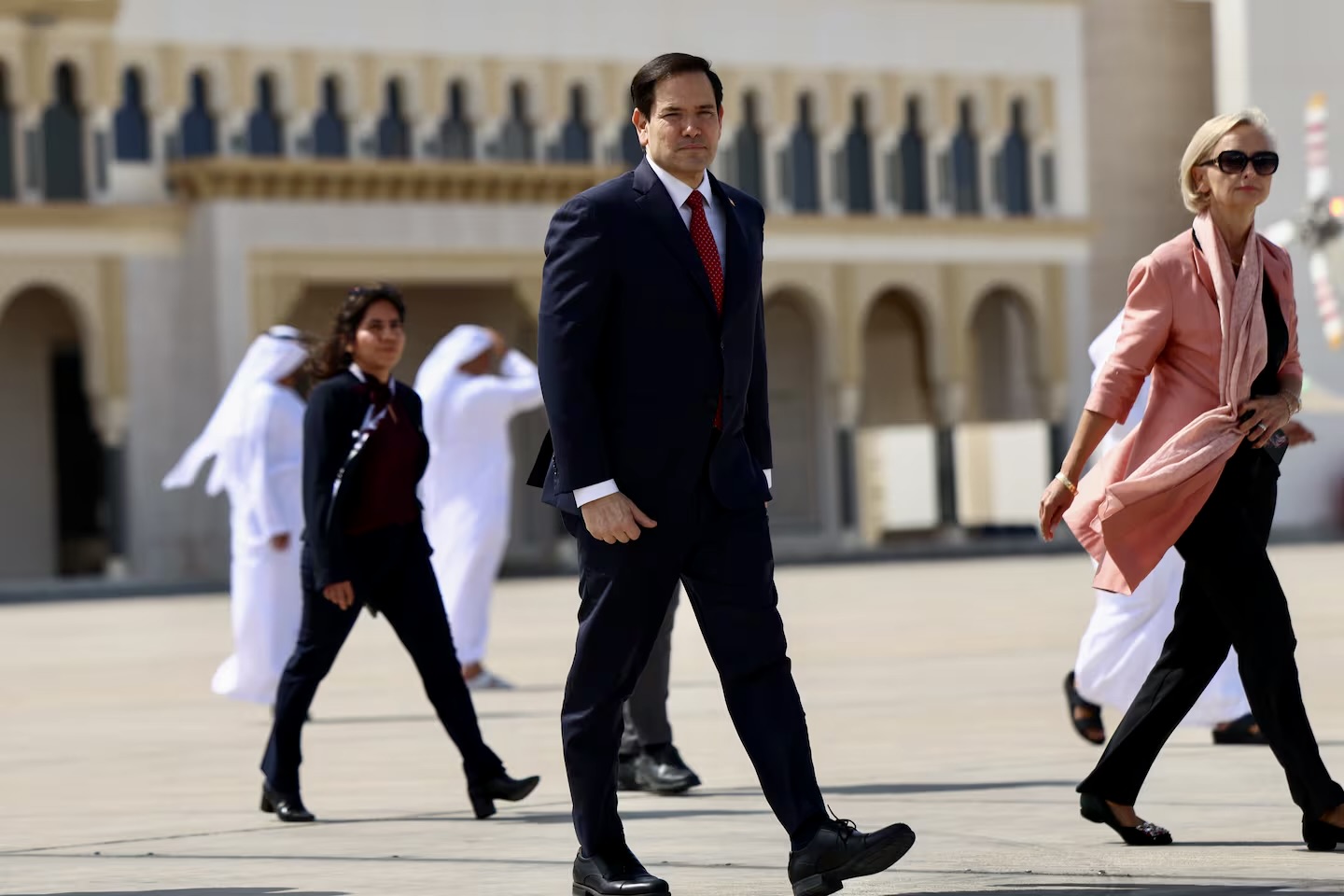
Against this backdrop, US Secretary of State Marco Rubio began a three‑day tour of Gulf countries – the UAE, Kuwait and Bahrain. His mission has proven difficult: Rubio must defend a deal backed by Trump while convincingly addressing allies’ concerns.
“We want to hear their thoughts, especially after this weekend in Switzerland, and make sure their views are taken into account in every decision we make, because they are our partners,” Rubio said upon arrival in Abu Dhabi.
At the same time, he categorically rejected any Iranian attempts to charge for passage through the Strait of Hormuz, saying Washington opposes “transit fees.”
Despite diplomatic efforts, analysts note a “serious loss of trust” in the US in the region. At the same time, as Alhasan stressed, the Gulf states supported the ceasefire regime because “a bad deal is still better than war.”
The Senate’s Move and Its Reversal
While Rubio tried to reassure allies, a domestic political drama unfolded in Washington. On June 23, the US Senate passed a war powers resolution directing President Donald Trump to end military action against Iran or obtain congressional approval. It was the first resolution of its kind passed by the Senate since 1973. The 50‑48 vote was a rare bipartisan challenge to the White House.
However, the very next day, after Trump in a tense call with Republican senators accused them of undermining the negotiating position, the Senate voted again. Two Republicans – Bill Cassidy and Rand Paul – changed their votes.
Cassidy said that after a “full” briefing from Vice President JD Vance and Special Envoy Steve Witkoff, he was “reassured.” Paul voted “present,” explaining it as a desire to “give the president more space and leverage to negotiate a lasting peace.”
As a result, the resolution failed 47‑50‑1. Trump immediately celebrated his victory on Truth Social: “The Senate just changed its vote on Iran from 50‑48 against to 50‑47 for. Rand Paul and Bill Cassidy changed their minds. This vote puts Iran in its place!”
Fragile Ceasefire and Growing Alarm
Against the backdrop of domestic political battles in Washington and growing scepticism among Gulf allies, the fragile US‑Iran ceasefire continues to be tested. Israel, for its part, has already said it will not withdraw its troops from southern Lebanon.
As the Iranian parliament speaker noted, “a ceasefire in Lebanon is just as important as in Iran.” This factor continues to create additional risks for the entire negotiating process.