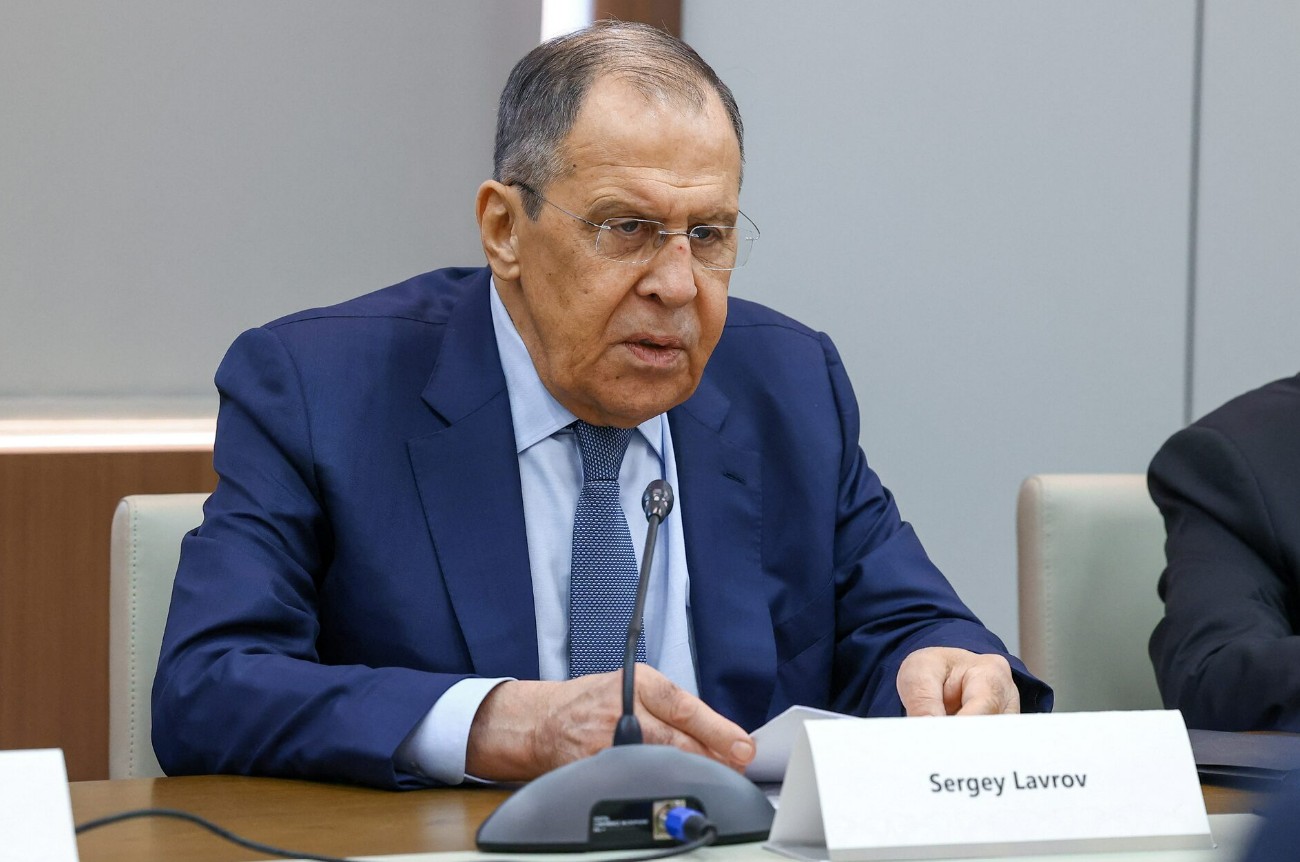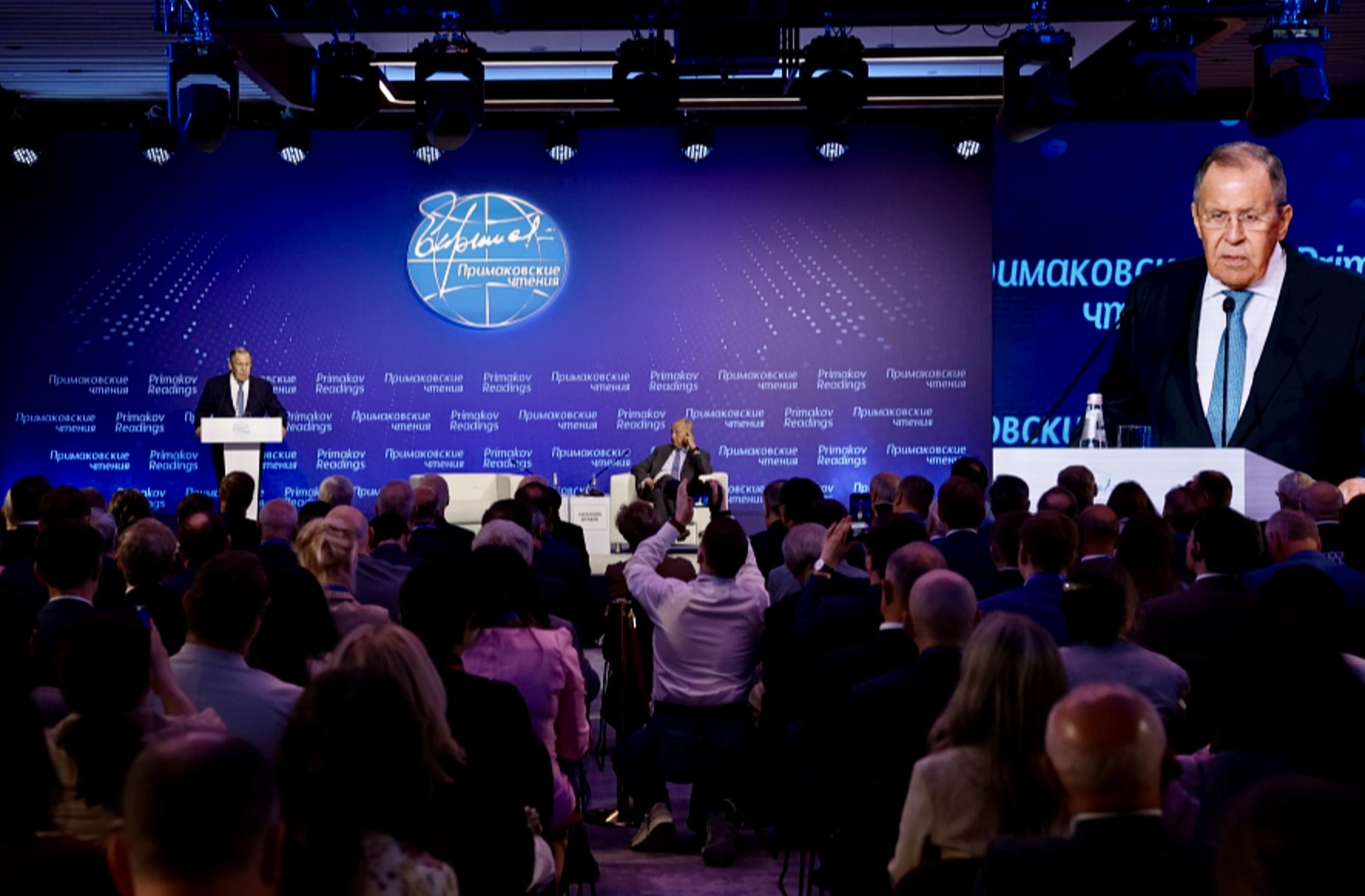
MOSCOW (Realist English). Russian Foreign Minister Sergey Lavrov spoke at the 12th International Scientific and Expert Forum “Primakov Readings,” covering a wide range of topics — from the multipolar world order to the Ukrainian crisis and relations with the United States and Europe.
The Russian Foreign Minister stated that Russia remains committed to the Anchorage agreements, but “the ball is not on our side of the field,” and European politicians are trying to impose ultimatums on Moscow under the guise of negotiations.
Multipolarity and Primakov’s Legacy
Lavrov began his speech by recalling the legacy of Yevgeny Primakov, who back in the mid‑1990s predicted the advent of multipolarity. “No single state has sufficient power to single‑handedly deal with a legion of problems,” the minister quoted his distinguished predecessor.
According to Lavrov, the West, having realised its inability to ensure sole leadership, continues to try to strengthen its position through sanctions and pressure, refusing to accept the realities of a multipolar world. He particularly highlighted Western double standards: “When Kosovo is declared independent — that’s good. When Crimeans go to a referendum and decide to reunite with Russia — that is categorically unacceptable.”
Ukrainian Crisis: Anchorage and ‘the Ball on the Other Side’
The minister confirmed that Russia remains committed to the understandings reached at the meeting of the presidents of Russia and the United States in Anchorage in August 2025. “Their author was the American side, and the Russian president only gave his consent,” Lavrov reminded.
At the same time, he noted that after the G7 summit in France, the situation had changed: European leaders, in the minister’s words, had “buried” the Anchorage agreements. “The ball is not on our side of the field today, although they increasingly try to throw it to us from an offside position,” Lavrov said, stressing that Russia would not accept dictated ultimatums.
He recalled the meeting of the ambassadors of the UK, Germany and France at the Russian Foreign Ministry after the London summit on June 7. “They said their contribution was a statement that Russia must capitulate, stop at the line of contact, and a stabilisation mission would be deployed on the western side,” the minister said.
Relations with the US: Dialogue Exists, Progress Does Not
Lavrov confirmed that Russia is open to dialogue with the US, but noted a lack of progress on practical issues: “We cannot get back our diplomatic property, let alone resume direct air travel. On all these issues — silence.” At the same time, he noted that the US administration, unlike European leaders, maintains dialogue, which is “better than silence and stoking fears.”
The foreign minister also reported problems with the visa regime for Russian diplomats: the US has declared that children of consular staff born on US territory are considered American citizens. “This does not happen anywhere else. This is completely unnecessary,” Lavrov said.
Iran and Venezuela: Examples of Double Standards
Turning to the Middle East, Lavrov confirmed Russia’s support for the US‑Iran memorandum and its readiness to assist in developing a long‑term agreement. “The resumption of free navigation through the Strait of Hormuz will benefit the energy and food security of the Global South,” he said.
The minister also commented on the situation in Venezuela, calling US actions a “forcible seizure of a democratically elected president” and “placing the oil industry under American control.” “Trump spoke about this officially and with figures,” Lavrov reminded.
BRICS and Greater Eurasia: Examples of Effective Cooperation
Lavrov highly praised the prospects of BRICS and the SCO, noting that these associations reflect the realities of a multipolar world.
“BRICS is not an organisation but an association, and that is its advantage. We will not propose bureaucratising BRICS,” he said, adding that the number of countries wishing to join the association’s work is constantly growing.
The minister paid particular attention to the Russian president’s initiative to form a Greater Eurasian Partnership. “Eurasia is the only continent where there are many regional and subregional structures, but no continent‑wide one,” he noted.
Criticism of Europe and Prospects for Relations
In response to a question about the possibility of improving relations with Europe, Lavrov recalled the many years of contacts that were “cut off overnight” not on Moscow’s initiative. He cited European leaders who called the Russian president a “war criminal” and drew parallels with the appeasement of Hitler.
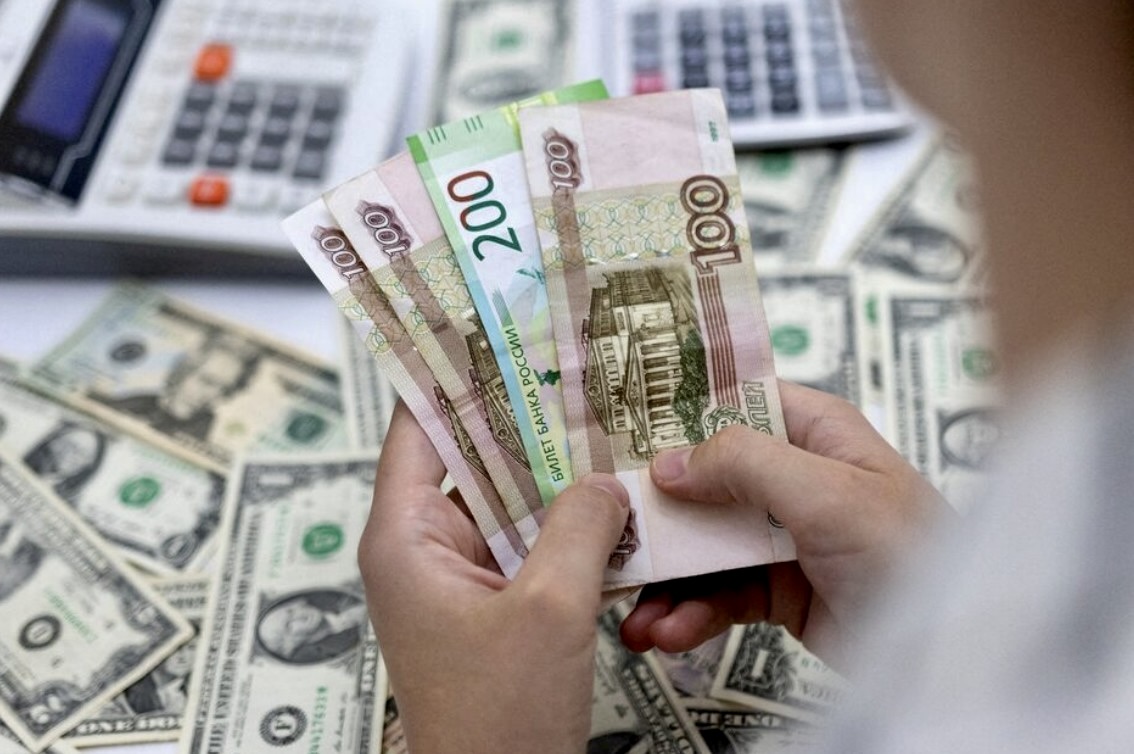
“And then these people say they will wait for Russia to agree to negotiations,” the minister said. Regarding frozen Russian assets, Lavrov called them “stolen money” and warned that this undermines trust in the dollar and other world currencies.
Negotiations Possible, but Without Deception
Concluding his speech, Lavrov stressed that Russia is open to negotiations, but will not allow itself to be deceived.
“Sometimes we are naive people, perhaps we can be misled again out of simplicity, but now we are especially on our guard,” the minister said.
According to him, progress in relations with the West is possible through specific issues: “On individual issues, agreements can be reached. For example, on the Iranian situation. But for now, I would say after Alaska, the ‘ball’ is on the other side.”