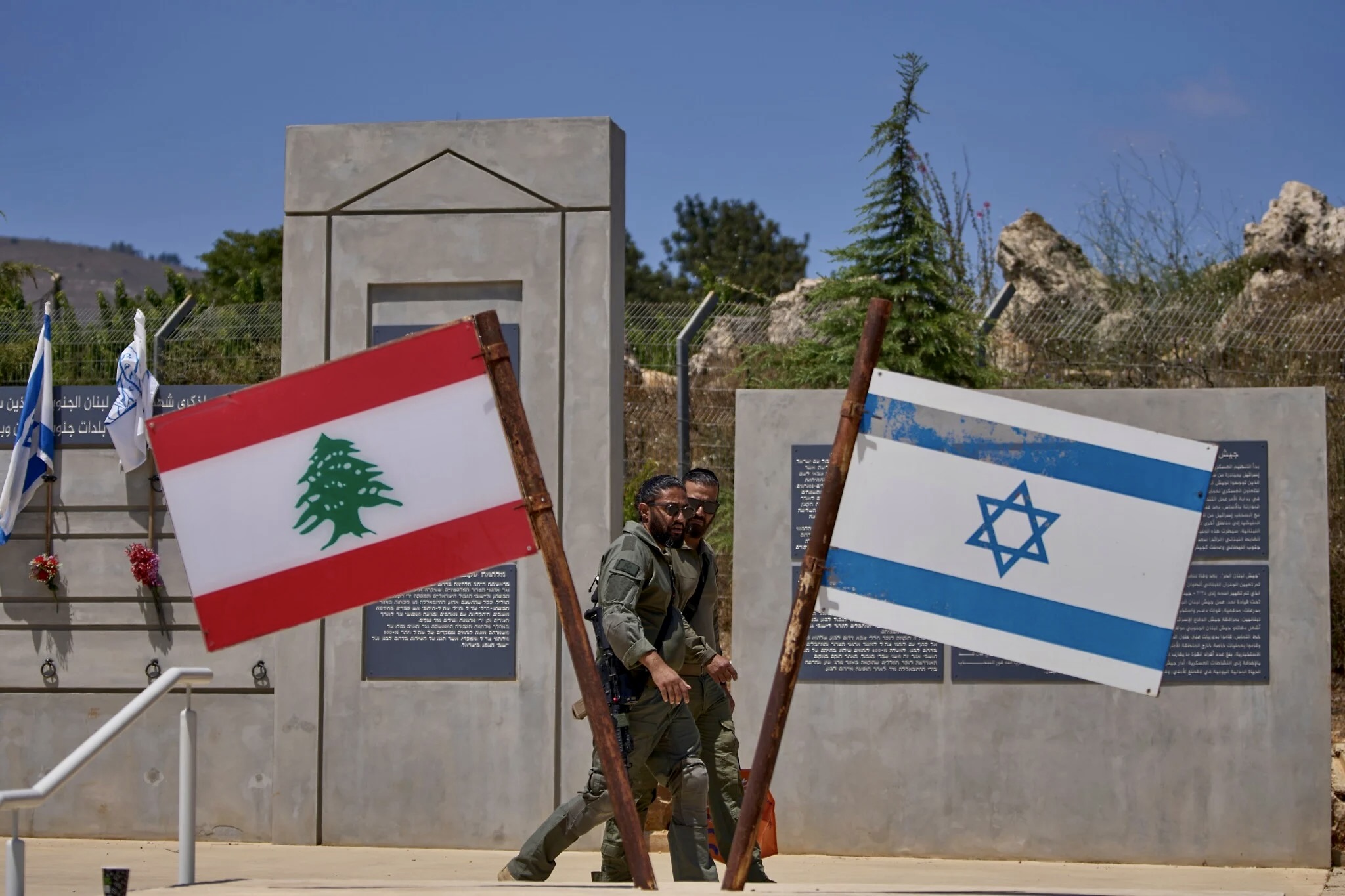
TEL AVIV (Realist English). On June 26, 2026, a trilateral framework agreement between Israel, Lebanon and the United States was signed in Washington, intended to serve as the basis for settling a multi‑year conflict.
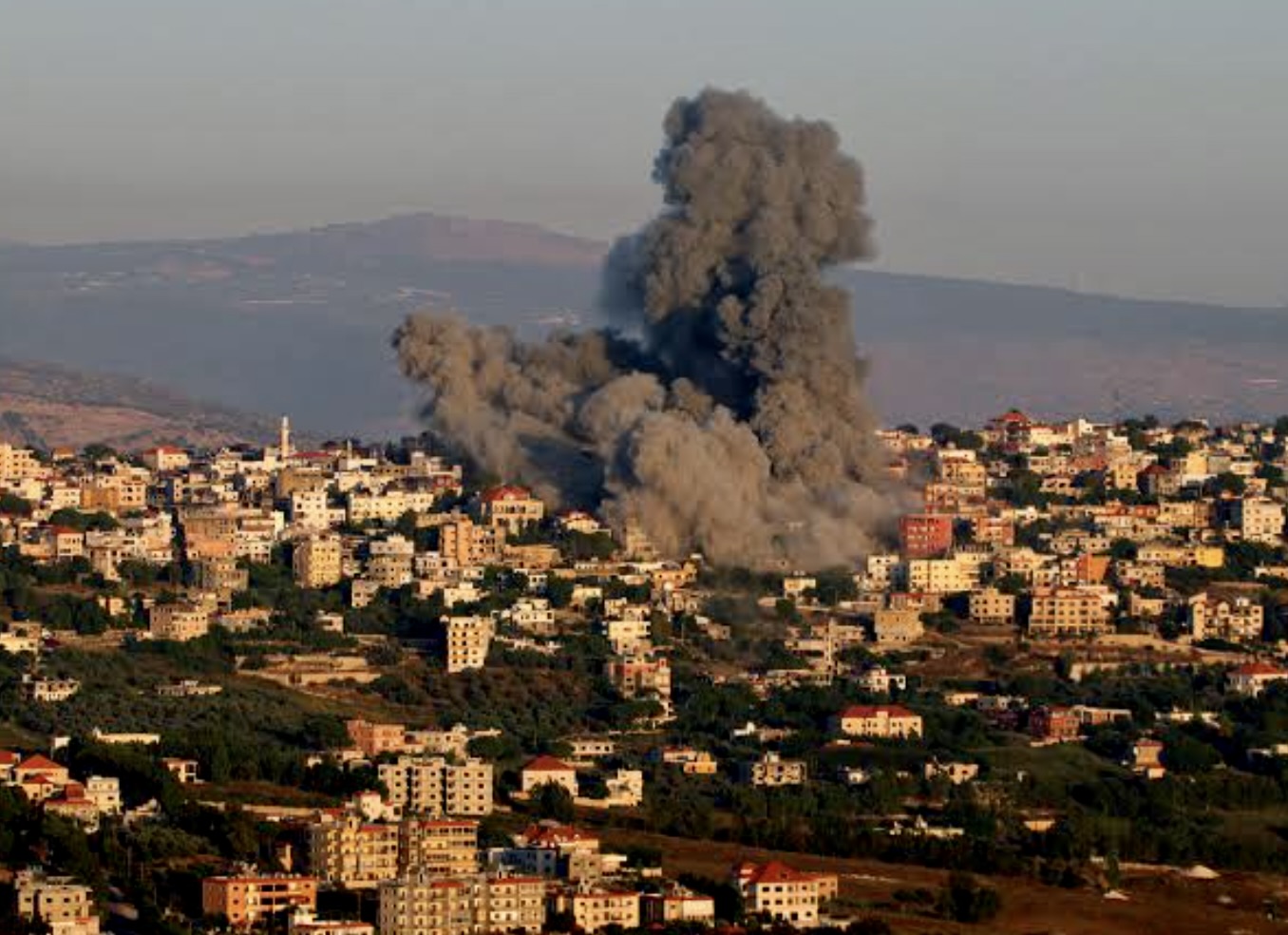
The document, worked out during five rounds of direct negotiations, stipulates a phased withdrawal of Israeli troops from two pilot zones in southern Lebanon in exchange for the disarmament of Hezbollah and the restoration of sovereignty by the Lebanese army.
However, already in the first days after the signing of the agreement, serious contradictions emerged: Israel insists on maintaining a “security zone” and freedom of action, the US is blocking a military operation against Hamas in Gaza, and Hezbollah’s underground infrastructure remains untouched due to diplomatic constraints.
Agreement with Lebanon: Freedom of Action and Buffer Zone
A key element of the framework agreement is the Security Annex, which will detail the mechanisms for disarming Hezbollah and transferring territory to Lebanese army control. However, Israel has already made it clear that it does not intend to fully withdraw from southern Lebanon.
Prime Minister Benjamin Netanyahu stated that the agreement allows Israel to maintain a buffer zone in southern Lebanon “as long as Hezbollah is not disarmed and as long as a threat to the State of Israel exists.” According to him, “IDF freedom of military action will be maintained throughout the security zone to eliminate threats of any kind.”
Defence Minister Israel Katz confirmed that the IDF has been ordered to prepare for a “prolonged stay” in Lebanon.
“The key principle embedded in the framework agreement is that there will be no Israeli withdrawal from southern Lebanon, no retreat, until the terrorist organisation Hezbollah is disarmed throughout Lebanon,” Katz stressed.
Netanyahu called the agreement a “historic achievement” and a “major blow to Iran.”
“Lebanon, Israel and the United States are essentially telling Iran: this is none of your business. You have no status here, no involvement and no role. Neither you, nor Hezbollah, nor any terrorist organisation,” the Israeli prime minister said.
At the same time, the agreement provides for the creation of two pilot zones — south and north of the Litani River — where the Lebanese army, with US support, will take control of the territory. However, as the Lebanese side notes, President Joseph Aoun hopes that the US will pressure Israel for a full withdrawal from the south.
Hezbollah Tunnel Demolition Cancelled
While Netanyahu publicly declared “full freedom of action” for the IDF in southern Lebanon, Israeli forces encountered diplomatic restrictions that called these promises into question.
According to Israel Hayom, a major strategic Hezbollah tunnel in southern Lebanon escaped destruction due to diplomatic constraints. Israeli forces had already begun tactical preparations to neutralise the underground network before senior officials ordered the mission to be cancelled.
Former Chief of Staff and chairman of the Yashar party, Gadi Eisenkot, revealed the scale of the problem: “In recent days, there has not been a single approval for tunnel demolition. We have entered an unprecedented reality where the American president is calling on the Syrian leader to curb Hezbollah — we have never seen anything like it.”
The operational suspension came amid sensitive diplomatic negotiations between Israel and Lebanon, as well as the creation of a multinational monitoring body involving Qatar, the US, Iran and Pakistan. This development directly contradicts Netanyahu’s public statements about unrestricted freedom of action.
Hamas Revival: US Veto on Military Operation
Parallel to the Lebanese front, Israeli forces faced a growing threat in the Gaza Strip. Senior officers from the Intelligence Directorate and the Southern Command warned Chief of Staff Eyal Zamir that Hamas’s military wing is rebuilding its strength and preparing for a new round of hostilities.
According to intelligence, Hamas is producing hundreds of explosive devices and anti‑tank missiles monthly, recruiting fighters aged 18‑22 and resuming training of “Nukhba” operatives. The organisation is also attempting to smuggle drones and communications equipment from Sinai and is restoring underground infrastructure throughout the sector.
Officers told the Chief of Staff: “Hamas is strong on the ground, no one is threatening it, and the organisation is not ready to give up control of Gaza.”
The IDF position conveyed to the American side is that military action must be renewed. However, Washington opposes this and prefers to maintain the current situation, continuing to implement President Trump’s plan. According to reports, there is currently a US veto on the resumption of military operations.
Israel finds itself in a complex geopolitical situation. On one hand, the framework agreement with Lebanon secures its military presence and freedom of action in the buffer zone.
On the other hand, diplomatic restrictions have already led to the cancellation of the operation to demolish Hezbollah’s tunnel, while the revival of Hamas in Gaza encounters a US veto.
As Reuters notes, “the exchange of strikes between Washington and Tehran risks spiralling out of control,” and the same logic, it seems, applies to US policy in the Middle East as a whole.