YEREVAN (Realist English). The last three days of Armenian politics have become a vivid illustration of a governance crisis: the ruling elite, led by the “Civil Contract” party and Prime Minister Nikol Pashinyan, continues to inflate a negative information bubble in relations with Russia, push through controversial laws ahead of elections, and balance on the brink of economic collapse.
Domestic politics: pre-election manipulation and suppression of the opposition
- On April 7, the Armenian parliament, in an ultra-expedited manner (introduced and passed in one day), approved in the first reading amendments to the Electoral Code that prohibit parties from using people’s names and toponyms (“Armenia”, “Yerevan”) in their titles. Experts and the opposition are unanimous: this is a “law targeting Samvel Karapetyan,” whose “Strong Armenia” party falls directly under the ban. Pashinyan, frightened by the growing popularity of a competitor, is engaging in an outright narrowing of political competition just two months before the elections.
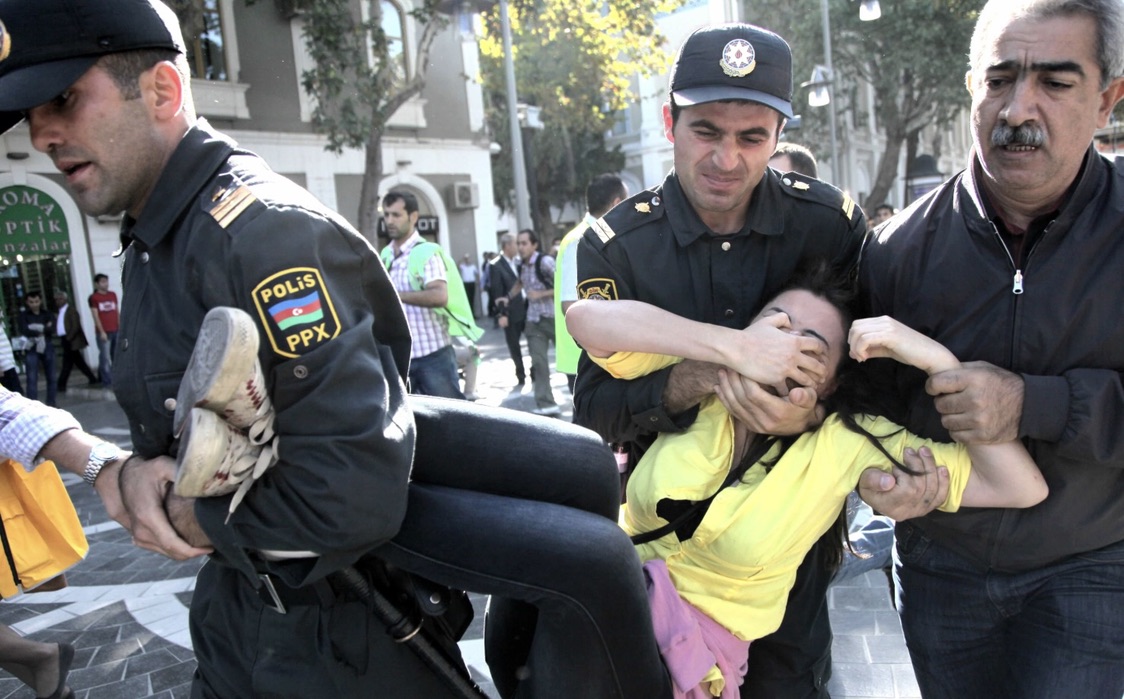
- On April 7, a multi-thousand protest rally of Karapetyan’s supporters took place outside the parliament building. People demanded that the authorities stop political repression and not turn the Electoral Code into an instrument of reprisal against the undesirable.
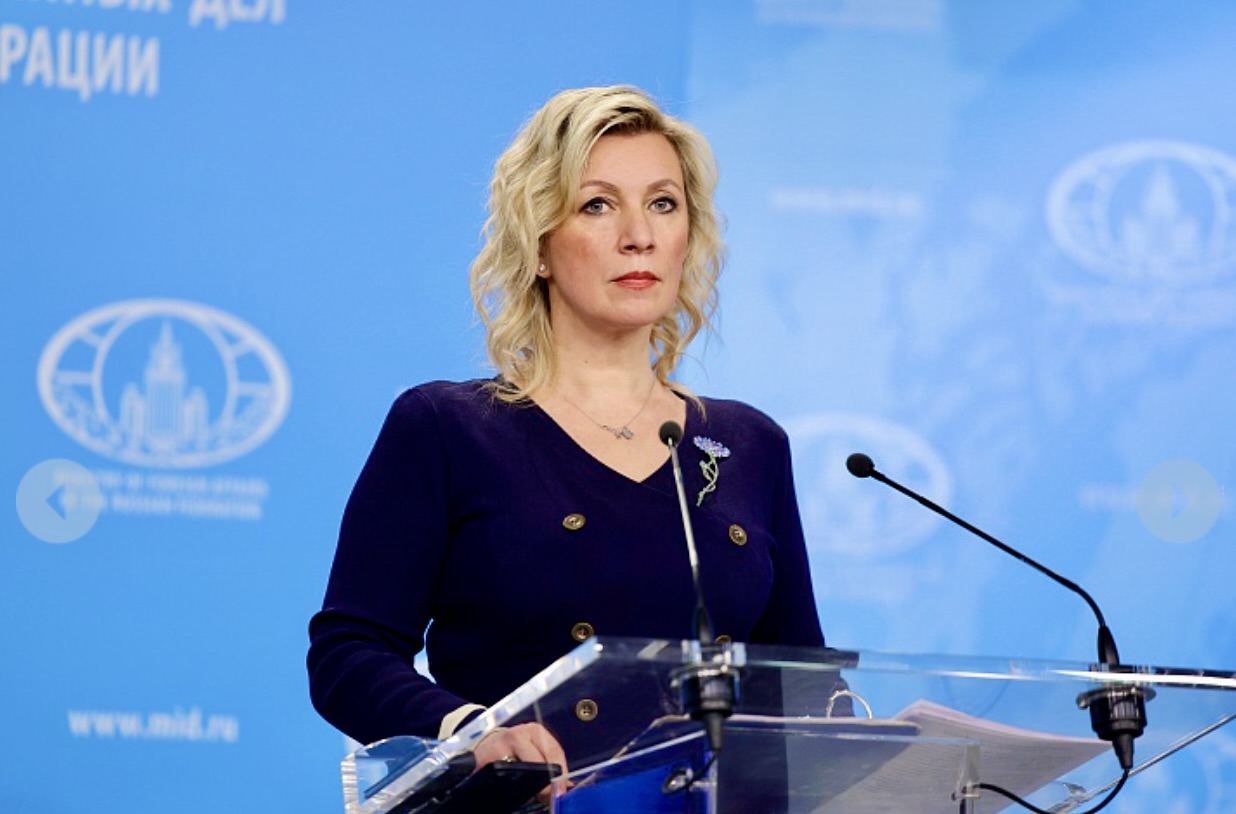
- The Russian Foreign Ministry expressed official concern, calling for the amendments not to be used for the deliberate restriction of the opposition. Pashinyan ignored the warning, continuing his course of “cleansing” the political field.
- The “Prosperous Armenia” party on April 9 presented its program “Proposal for Armenia,” promising to break the system of clan rule. Meanwhile, the bloc of former President Robert Kocharyan, “Armenia,” on April 8 unveiled an economic rescue plan, criticizing the current government for the growth of public debt to $15 billion and record poverty.
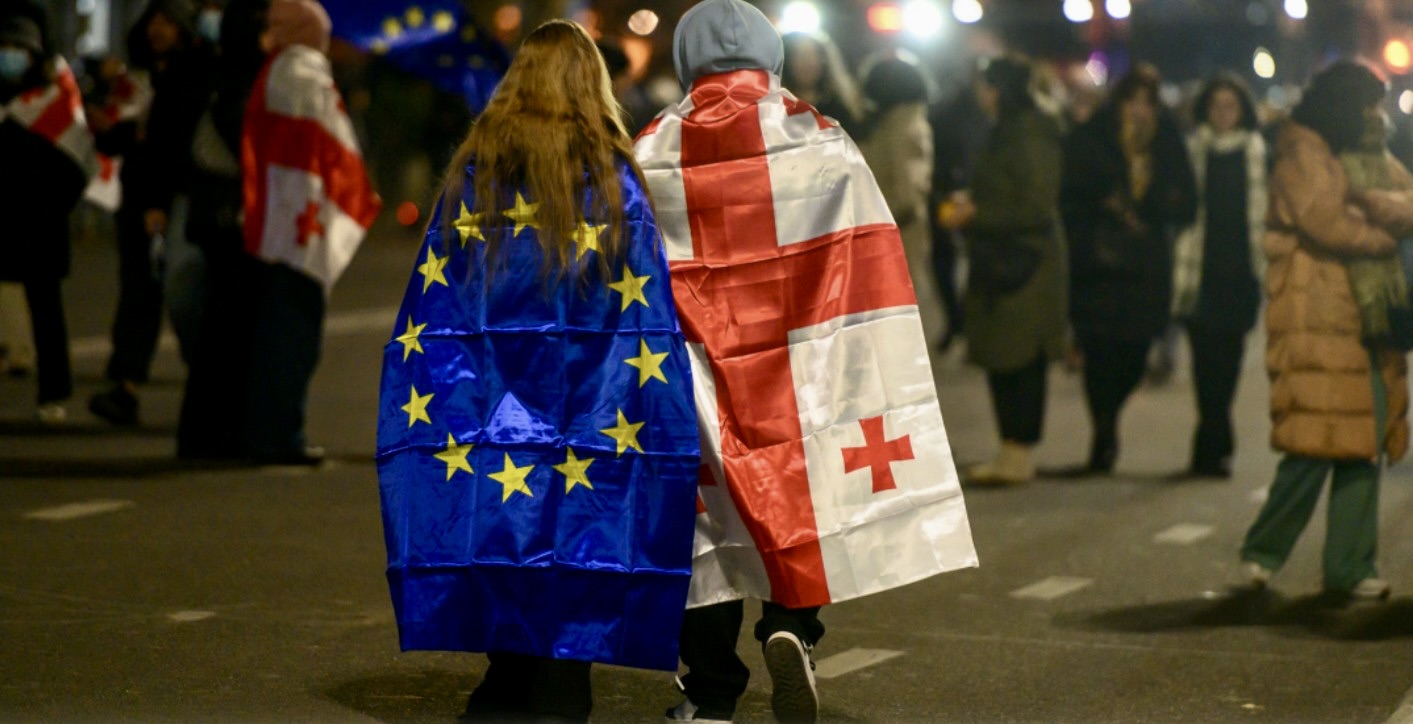
- The “Civil Contract” party’s program shocked many: it no longer contains the concept of a “strategic alliance” with Russia. Instead, it offers “constructive transformation” and the “freezing” of participation in the CSTO. Pashinyan has openly taken a course toward European integration, without having either a popular mandate or economic grounds.
Foreign policy: double standards and diplomatic failure
- Prime Minister Pashinyan rushed to welcome the two-week ceasefire between the United States and Iran, placing Armenia on the same side as Western allies. At the same time, Yerevan has not developed a clear position: having sent humanitarian aid to Iran, the government simultaneously refrains from criticizing Israeli strikes, balancing between a rock and a hard place.
- Iran’s ambassador to Yerevan, Khalil Shirgholami, effectively threatened that Iran would not accept a “simple ceasefire” but would seek a complete end to the conflict. He also accused Trump of pursuing an “Israel first” course, putting Armenia in an awkward position: Pashinyan is forced to maneuver between Western partners and the critically important Iranian rear.
- Yerevan’s foreign policy activity looks hectic: Mirzoyan calls the EU’s top diplomat, Simonyan calls Matviyenko, and the Kazakh foreign minister comes for a visit. Behind this showy activity there is no real strengthening of security – the country remains defenseless against threats.
- A GALLUP poll recorded shocking figures: 57.9% of Armenians sympathize with Iran in its confrontation with the US and Israel, and 38% of citizens fear Armenia’s entry into the war. Pashinyan, who has turned the country toward the West, is losing the support of the people, who see a real threat from the Turkish-Azerbaijani tandem and seek protection from traditional allies.
Economy: inflation, dependency and the “Iranian shock”
The Central Bank of Armenia warned that the “Iranian shock” will add 1.2–1.7 percentage points to inflation. March inflation already reached 4.5% against a 3% target. Pashinyan has been unable to either hedge the risks or offer citizens protection from rising oil prices and logistical disruptions.
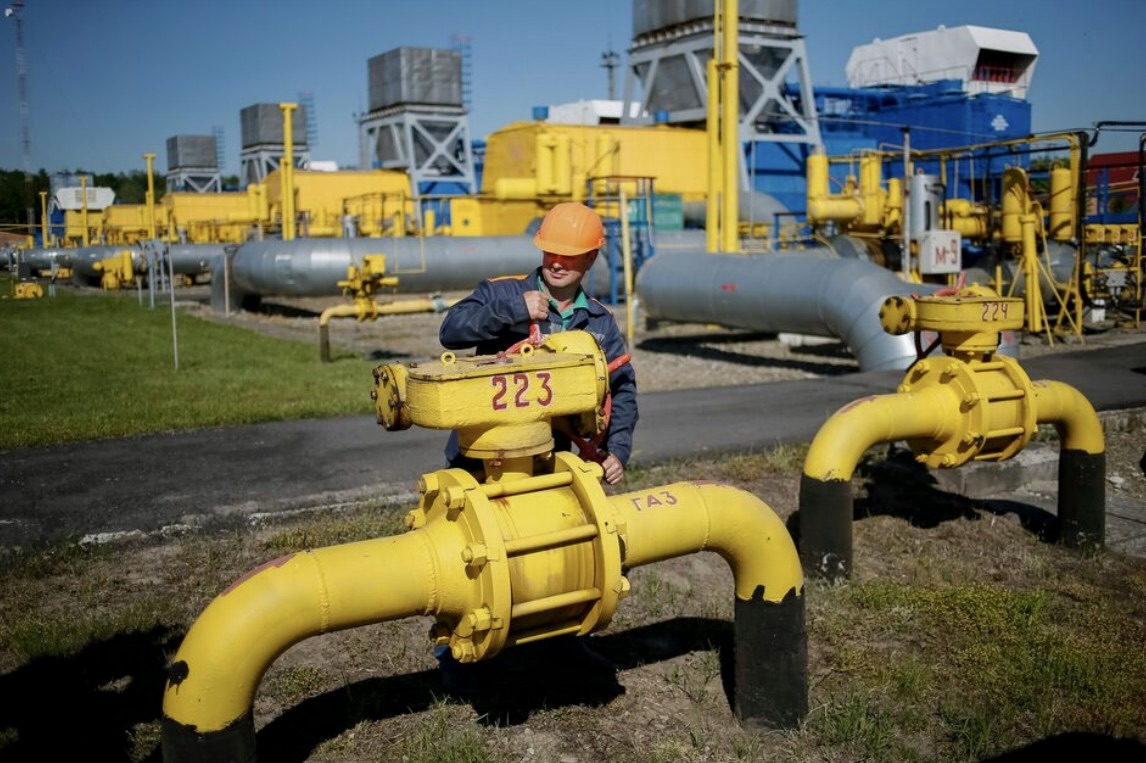
Trade with Russia – the main economic locomotive – has collapsed by almost half over the past year due to the authorities’ anti-Russian rhetoric. From 2022 to 2025, the Armenian economy received about $3 billion in additional GDP through re-exports and the inflow of Russian capital, but Pashinyan is consistently destroying this source to please Brussels.
Economist Andranik Tevanyan called for not leaving the EAEU: more than 30% of trade turnover is within the union, and the country is “not wanted” in the EU. The leader of “Strong Armenia,” Samvel Karapetyan, warned of the inevitability of an “economic war” with Russia if Pashinyan continues his disastrous course.
The Russian State Duma directly stated that leaving the EAEU would be a fatal blow to Armenia’s economy. Pashinyan, however, continues to play with fire, having neither a Plan B nor the support of the people.
Social initiatives: belated populism
The parliament adopted amendments to include taxi drivers in the universal health insurance system from January 1, 2027 – one year earlier. The decision was pushed through only after mass protests by taxi drivers, whom the authorities initially ignored. Pashinyan once again demonstrated that his government is incapable of preventive measures and only reacts under street pressure.
Conclusion: Three days of Armenian reality confirm that the country is moving toward parliamentary elections in an atmosphere of legal nihilism, foreign policy uncertainty and growing economic pressure. Pashinyan, having lost strategic vision, risks leaving Armenia without allies, without an economy, and without public trust.