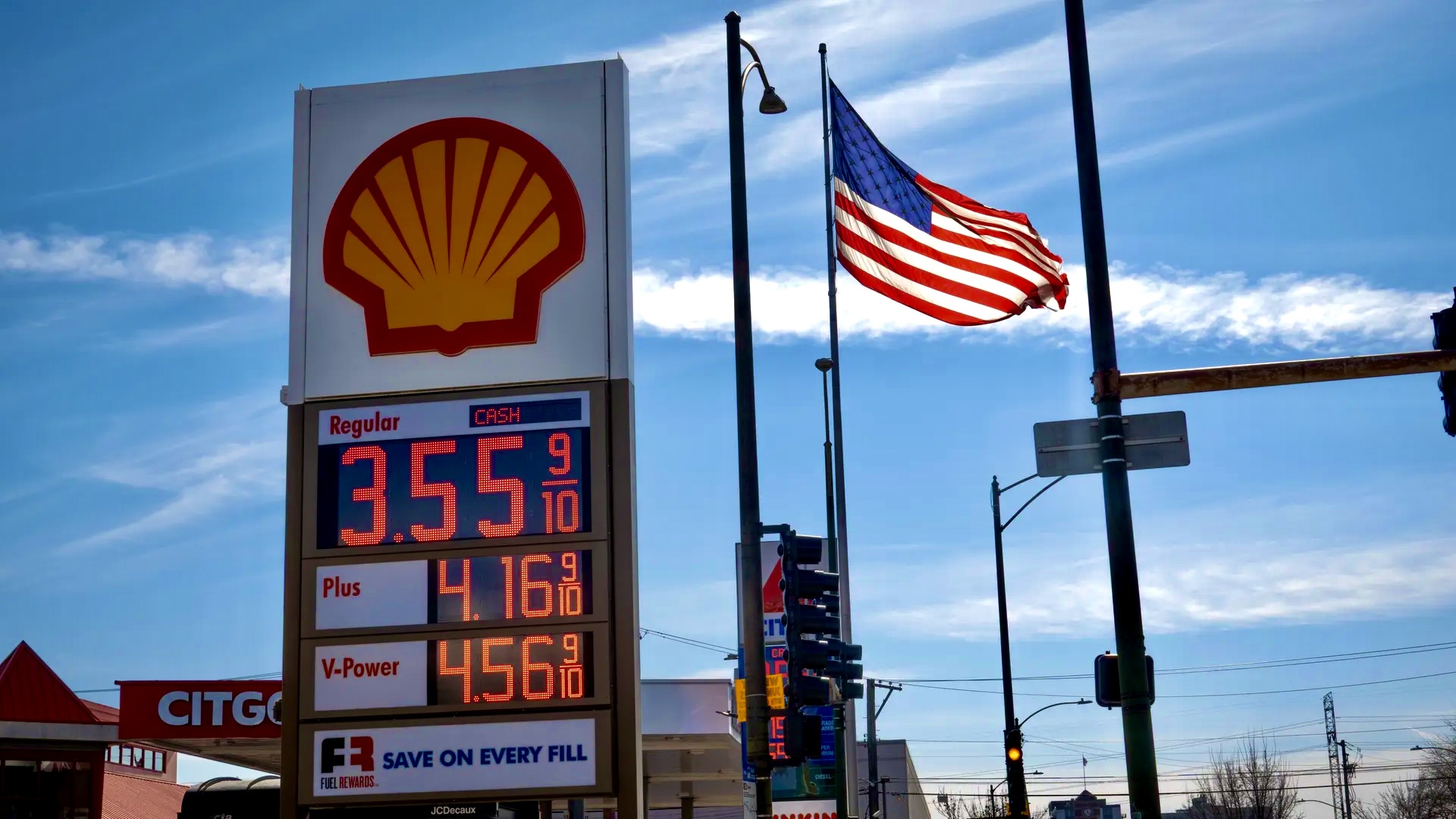
WASHINGTON (Realist English). US inflation accelerated to 3.3% year-on-year in March, the highest since May 2024, according to Bureau of Labor Statistics data released on April 10. Consumer prices rose 0.9% from February, slightly below economists’ forecasts of 3.4% (Bloomberg poll).
Gasoline shock: record jump since 1967
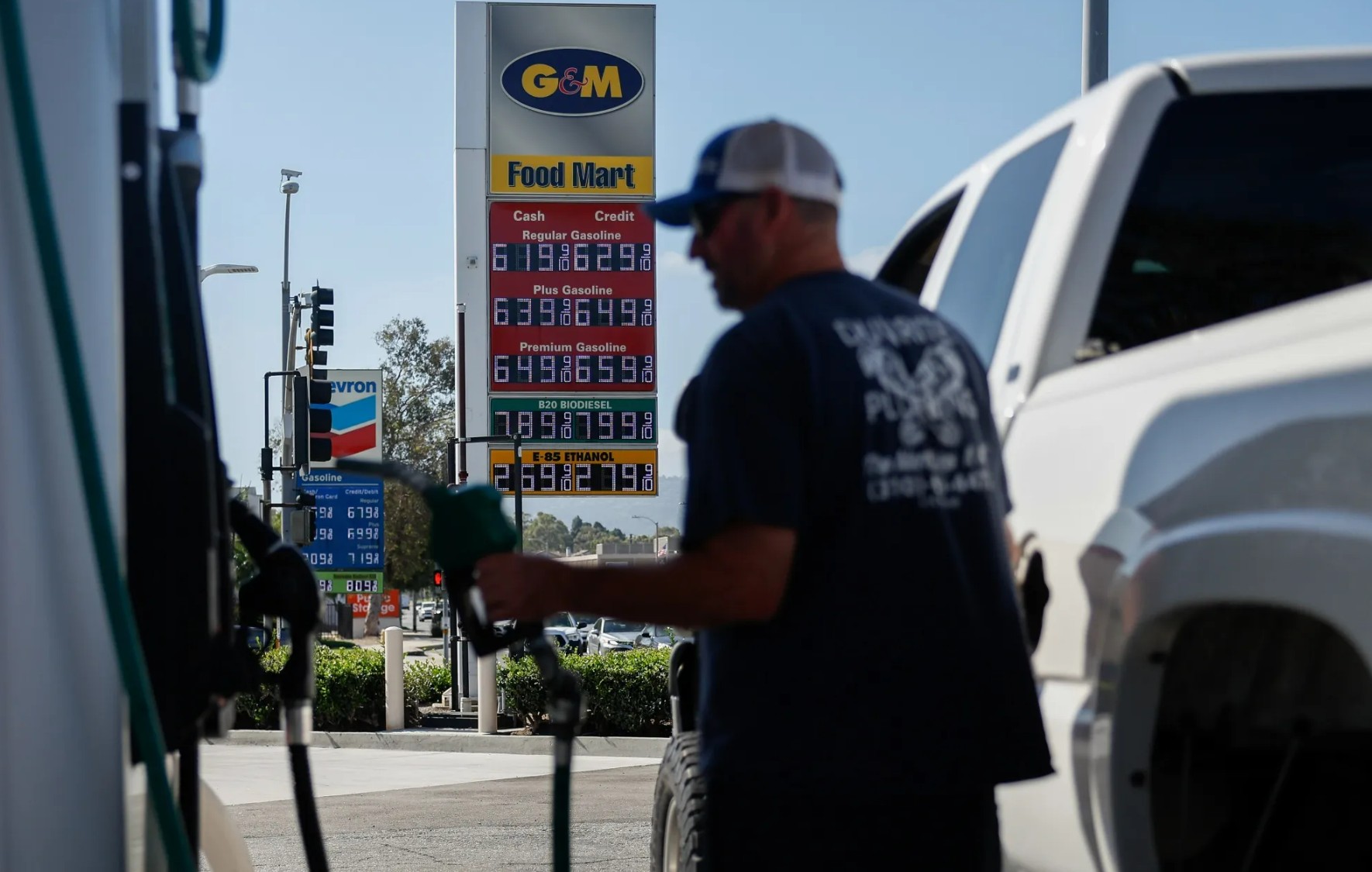
The main driver of the inflation spike was an explosive rise in fuel prices. According to the report, gasoline prices at the pump jumped 21.2% from the previous month — the largest monthly increase since 1967.
“The conflict is putting a lot of pressure primarily on gasoline prices,” said Mike Reid at RBC. “And if you’re spending more on gasoline, you’re going to have to cut back elsewhere.”
Core CPI, which strips out volatile food and energy prices, rose to 2.6% from 2.5% in February, slightly below forecasts, suggesting that the impact of higher energy prices has yet to fully pass through to other sectors of the economy.
The energy shock of the Iran war
US oil prices (WTI) jumped from about $70 per barrel at the start of the conflict (late February) to more than $110 per barrel in recent weeks. Iran effectively shut off the Strait of Hormuz, through which a fifth of global oil supplies normally flow. US retail gasoline prices have surged past $4 per gallon.
Prices eased slightly this week amid a fragile ceasefire between the US and Iran, but traffic through the strait remains severely limited. IMF Managing Director Kristalina Georgieva warned that “there will be no neat and clean return to the status quo” even if the truce holds.
Consumer sentiment plunges to record low
Separate data from the University of Michigan, also released on April 10, showed consumers expect inflation to rise further. The one-year inflation outlook jumped to 4.8% from 3.8% a month earlier. The Index of Consumer Sentiment fell to a record low of 47.6 in April, down from 53.3 in March — the lowest reading on record.
Market reaction and the Fed’s dilemma
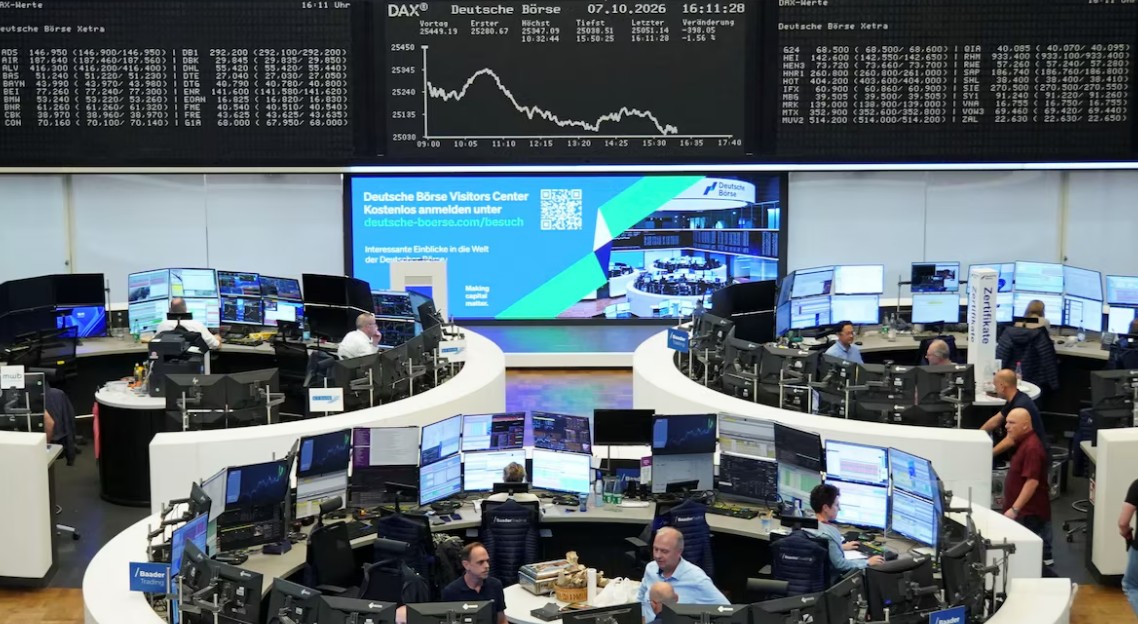
Stock index futures reacted with modest optimism: S&P 500 futures rose 0.2% and Nasdaq 100 futures rose 0.3% ahead of the opening bell. Rate-sensitive two-year Treasury yields slipped 0.02 percentage points to 3.75%. Ten-year yields were unchanged at 4.28%.
Analysts warn that accelerating inflation puts the Federal Reserve in a difficult position. Minutes of the Fed’s March meeting, released on April 8, showed officials debated whether a prolonged conflict would warrant interest rate hikes or cuts as they grappled with its impact on prices and the jobs market.
Steven Blitz, chief US economist at GlobalData TS Lombard, said: “The Fed is caught in a situation where it can’t go out now and cut. They don’t know the permanence of this fuel price jump.”
He added that whatever happens with the ceasefire, there will be a risk premium in energy prices that did not exist before the war.