

MOSCOW (Realist English). Russian households withdrew 1.6 trillion rubles ($17 billion) from bank accounts in January 2026, marking the second-largest monthly outflow on record after the surge seen during the March 2022 financial crisis.
An additional 49 billion rubles were withdrawn from foreign bank accounts, according to data cited by RBC.
Seasonal spike masks deeper shift
The Central Bank said the January outflow followed an unusually strong inflow in December 2025, when deposits rose by 3.6 trillion rubles, driven by annual bonuses and salary payments.
However, analysts say the trend goes beyond seasonal factors and reflects broader changes in financial behavior.
A key driver has been monetary easing. Over the past year, Russia’s benchmark interest rate declined from 21% to 15.5%, leading to lower deposit rates. The average maximum rate among major banks has fallen to 13.87%, reducing the appeal of traditional savings products.
Where the money is going
Less than one-third of withdrawn funds — about 468 billion rubles — returned to fixed-term deposits. The remainder has been redirected into other assets:
- Real estate: Property purchases surged ahead of expected changes to mortgage programs. Developers sold 2.4 million square meters of housing worth 495 billion rubles in January — a record for the start of the year.
- Financial markets: Retail investors increased purchases of government bonds, corporate debt and money-market funds, seeking to lock in yields.
- Cash holdings: A notable share of funds moved into cash amid concerns over inflation, tighter banking controls and occasional disruptions to digital services.
- Foreign accounts: Withdrawals from non-resident banks reached their third-highest level since 2018.
Business and expert views
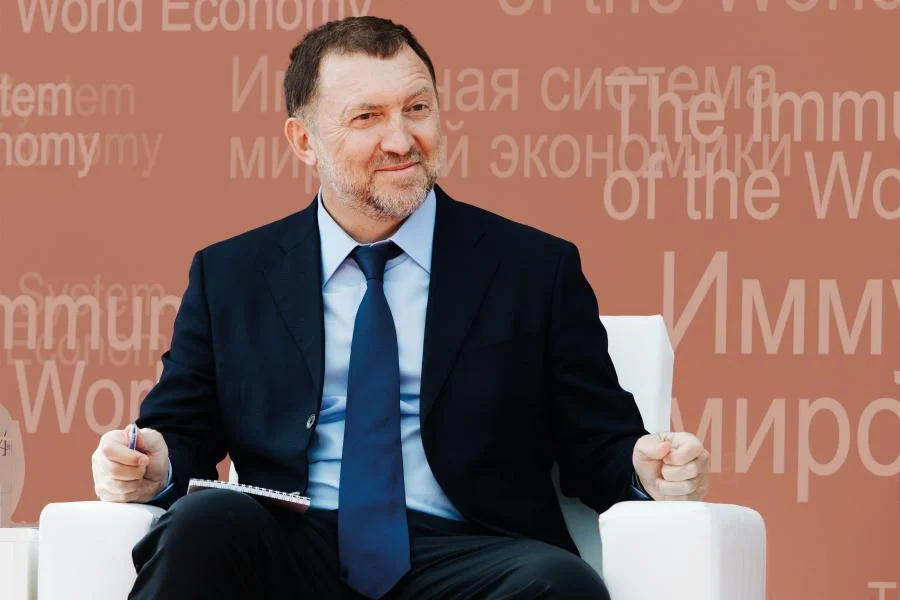
Russian businessman Oleg Deripaska described the shift as a rational response to economic conditions.
“With high interest rates weighing on the economy, people are reallocating from rubles into precious metals, accessible currencies and real estate where possible,” he said.
Economists are divided on the implications.
Alexander Abramov of the Presidential Academy (RANEPA) warned the trend may signal growing caution toward the banking system.
“In a broader context, this could indicate emerging distrust in financial institutions — something not seen in Russia since the mid-2000s,” he said.
However, economist Alexey Zubets urged against overstating the risks, noting that total household bank deposits remain around 67 trillion rubles.
“The January outflow represents just over 2% of total savings,” he said.
Outlook
Analysts agree that a one-off withdrawal of this scale does not pose an immediate threat to the banking system.
However, they caution that sustained outflows could become a concern if the shift away from deposits toward alternative assets turns into a longer-term trend.