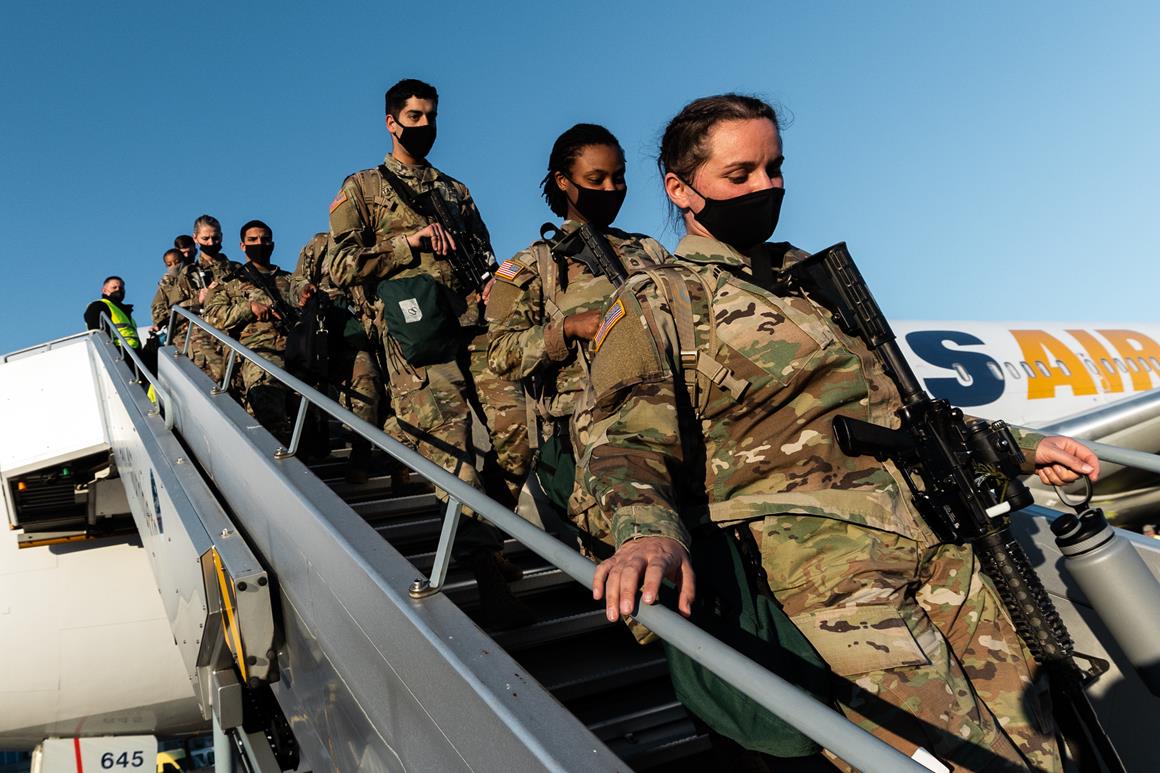
BERLIN (Realist English). On 2 May, the Pentagon officially announced the withdrawal of 5,000 US troops from Germany over the next 6–12 months.
According to Pentagon spokesman Sean Parnell, the decision “follows a careful review of force posture in Europe and recognition of the situational requirements of the theatre of operations.”
The German government said the Pentagon’s decision was “anticipated,” and German Defence Minister Boris Pistorius called the move “predictable.”
He stated that the presence of US troops in Europe serves the interests of both sides, but European countries must take more responsibility for their own security, and Germany is already moving in that direction.
Earlier this week, US President Donald Trump hinted at a possible reduction of the contingent after German Chancellor Friedrich Merz described US actions as “humiliating” in negotiations with Iran.
Troop withdrawal: an ‘expected’ step
A spokesman for the German government said Berlin was prepared for such a development and considers it part of a broader reorganisation of US forces in Europe, rather than an abrupt decision.
Other German politicians were harsher. Vice‑Chancellor Lars Klingbeil, who leads the SPD, said: “We really don’t need any advice from Donald Trump right now. He should see what a mess he has made.” He also called for strengthening European independence from Washington’s decisions.
NATO reacted more cautiously: spokeswoman Allison Hart said the alliance is cooperating with the US to understand the details of the decision and stressed the need for Europe to increase defence spending.
According to Department of Defense data, as of December 2025, there were 36,436 US military personnel in Germany – the second largest US contingent abroad after Japan. The planned withdrawal will bring the number back to roughly the level before Russia’s full‑scale invasion of Ukraine in 2022. At that time, former President Joe Biden approved the deployment of an additional 7,000 US troops to Germany.
The Pentagon did not indicate whether the units being withdrawn would return to the US or be redeployed elsewhere. A long‑range fires battalion that was due to be deployed later this year has also been cancelled, depriving Germany of the cover of a significant missile capability.
Political context: Merz’s criticism and Trump’s response
The announcement of the troop withdrawal was preceded by public criticism from the German Chancellor, who on 1 May said that Iran was “humiliating” the US in negotiations by forcing American envoys to fly back and forth to Pakistan without results. Trump, in turn, accused European allies of insufficient support for US military efforts against Tehran.
Commenting on the possibility of reaching a peace agreement with Iran, Trump told journalists on 2 May that the US “might be better off” if no deal is reached. He also expressed dissatisfaction with Tehran’s latest peace proposal. On the eve of the announcement, the conflict officially reached the 60‑day mark, which under the 1973 War Powers Resolution requires congressional authorisation to continue hostilities, although the White House disputes this interpretation.
German political scientist Alexander Rahr called the troop reduction “punishment” by Trump. The expert noted that for Berlin, the biggest blow might not be the withdrawal of soldiers itself, but the potential relocation of US nuclear weapons from Germany to Poland, which would deprive Germany of the “American umbrella” and inflict a serious blow to its prestige.
Chancellor Merz publicly assured that his personal relationship with Trump remains good and that disagreements in assessments are merely his professional position. However, according to former senior German Defence Ministry official Nico Lange, the Bundeswehr needs to take on more and “better manage this transition in a spirit of partnership.”
US presence in Europe
Besides Germany, significant numbers of US troops are stationed in Italy (more than 12,000) and the United Kingdom (just over 10,000). About 4,000 US troops are in Spain, but Trump has threatened to withdraw them if Madrid refuses to allow Spanish bases to be used in the war against Iran.
Key facilities include Ramstein Air Base in Germany, RAF Lakenheath and RAF Mildenhall in the UK, Aviano in Italy, and Lajes Field in the Portuguese Azores. The headquarters of US European Command and US Africa Command are located in Stuttgart, as well as two Naval Support facilities in Naples and Sigonella, Italy.
At the same time, on 29 April, German Defence Minister Pistorius announced that from October 2026 a senior US officer would take up the post of deputy head of the Operations Department of the German Army Command. This is where missions are planned and decisions prepared, indicating that close military coordination between Berlin and Washington remains.
Other developments
The US has warned shipping companies that they could face sanctions if they pay tolls to Iran for safe passage through the Strait of Hormuz. Analysts also forecast that the economic consequences of the strait’s closure will deepen in the coming weeks.
In Lebanon, Israeli forces warned residents of southern areas to evacuate amid a fragile ceasefire. Several people were killed in Israeli strikes on the region on 1 May.