

SINGAPORE (Realist English). Global oil prices continued to climb during Asian trading as escalating tensions in the Persian Gulf and uncertainty over U.S. strategy in the Iran conflict kept energy markets under pressure.
Brent crude rose about 1.5% to $105.56 per barrel, while U.S. West Texas Intermediate gained a similar margin to $102.92. Prices have surged sharply since the start of the conflict, with Brent posting its strongest monthly increase on record and WTI recording its biggest rise since 2020.
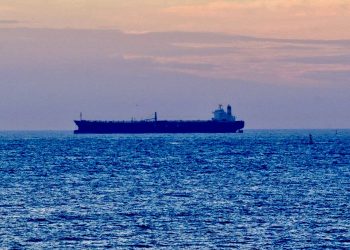
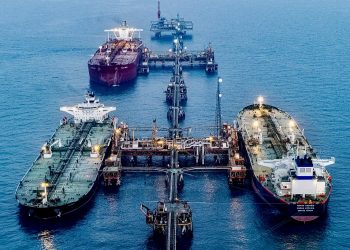
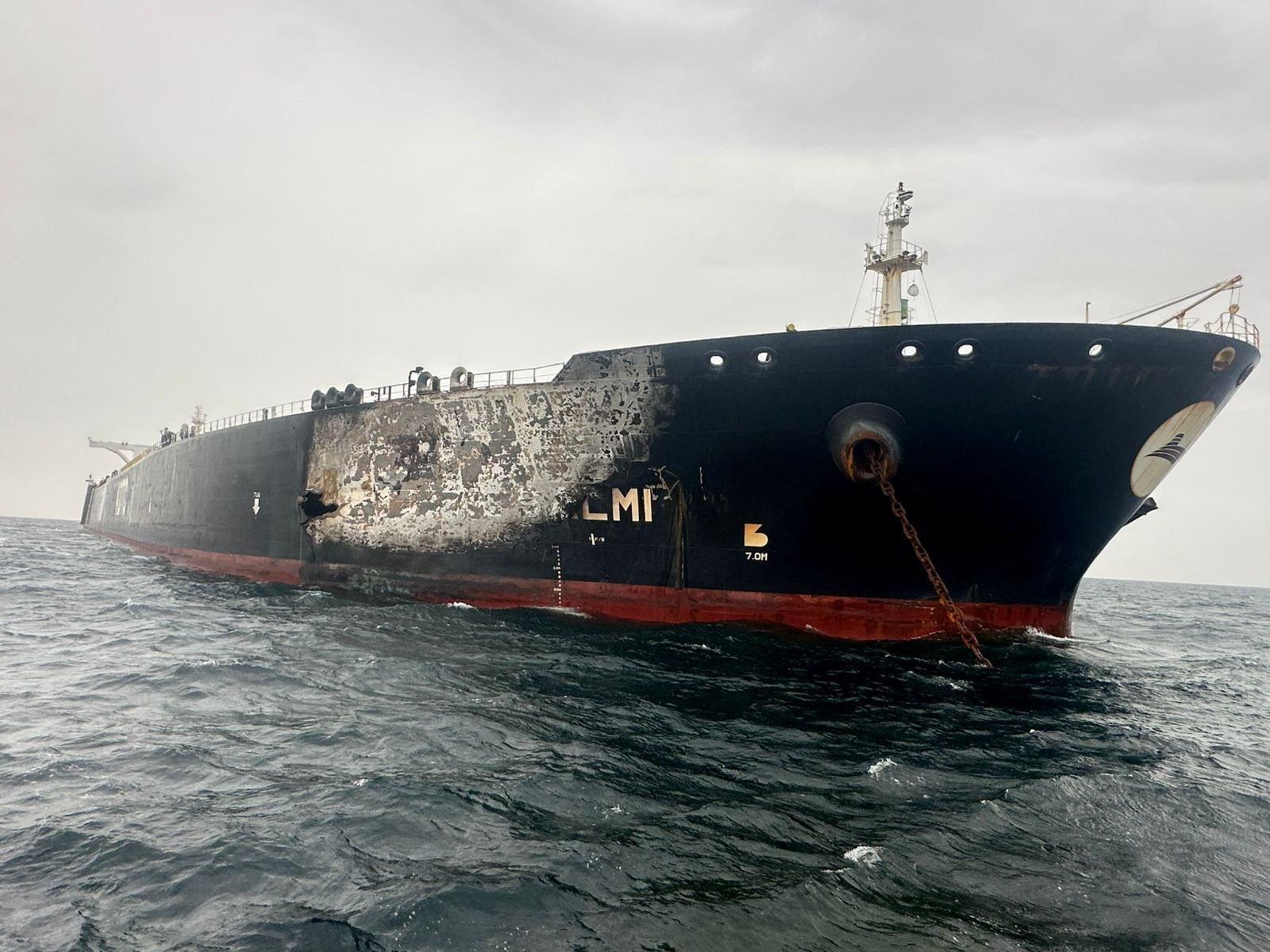
The rally is being driven by disruptions in the Strait of Hormuz, a key global transit route that typically handles around 20% of the world’s oil supply. Iranian actions have effectively halted most shipments through the strait, tightening global supply and increasing volatility.
Additional pressure came after reports that Iranian drones targeted fuel storage tanks at Kuwait International Airport, causing a major fire and raising concerns about the vulnerability of regional energy infrastructure.
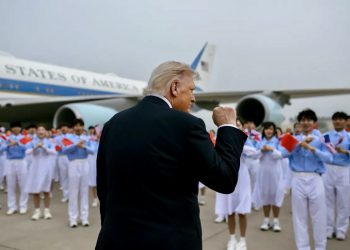
At the same time, U.S. President Donald Trump signalled that American forces could withdraw from the conflict within “two or three weeks,” even as military operations and threats continue.
“We’ll be leaving very soon,” Trump said, while also suggesting that a negotiated settlement may not be necessary. The White House later said he would deliver a national address outlining the administration’s position.
The mixed messaging has added to uncertainty in markets already strained by supply disruptions. Analysts note that expectations of a potential U.S. exit have not eased concerns, given the ongoing closure of key shipping routes and continued hostilities.
Iran has also expanded its rhetoric, with the Islamic Revolutionary Guard Corps warning it could target U.S. corporate interests in the region. Companies named include major technology and industrial firms such as Apple, Microsoft and Boeing.
Diplomatic contacts appear limited. Iranian Foreign Minister Abbas Araghchi said messages had been exchanged with Washington through intermediaries, but stressed that these do not constitute formal negotiations.
Analytically, the market reaction reflects a shift from short-term volatility to structural concern over physical supply constraints, particularly if disruptions in the Gulf persist.
The key question is whether shipping through the Strait of Hormuz can resume in the near term, or whether prolonged disruption will push oil prices higher and amplify risks to the global economy.