
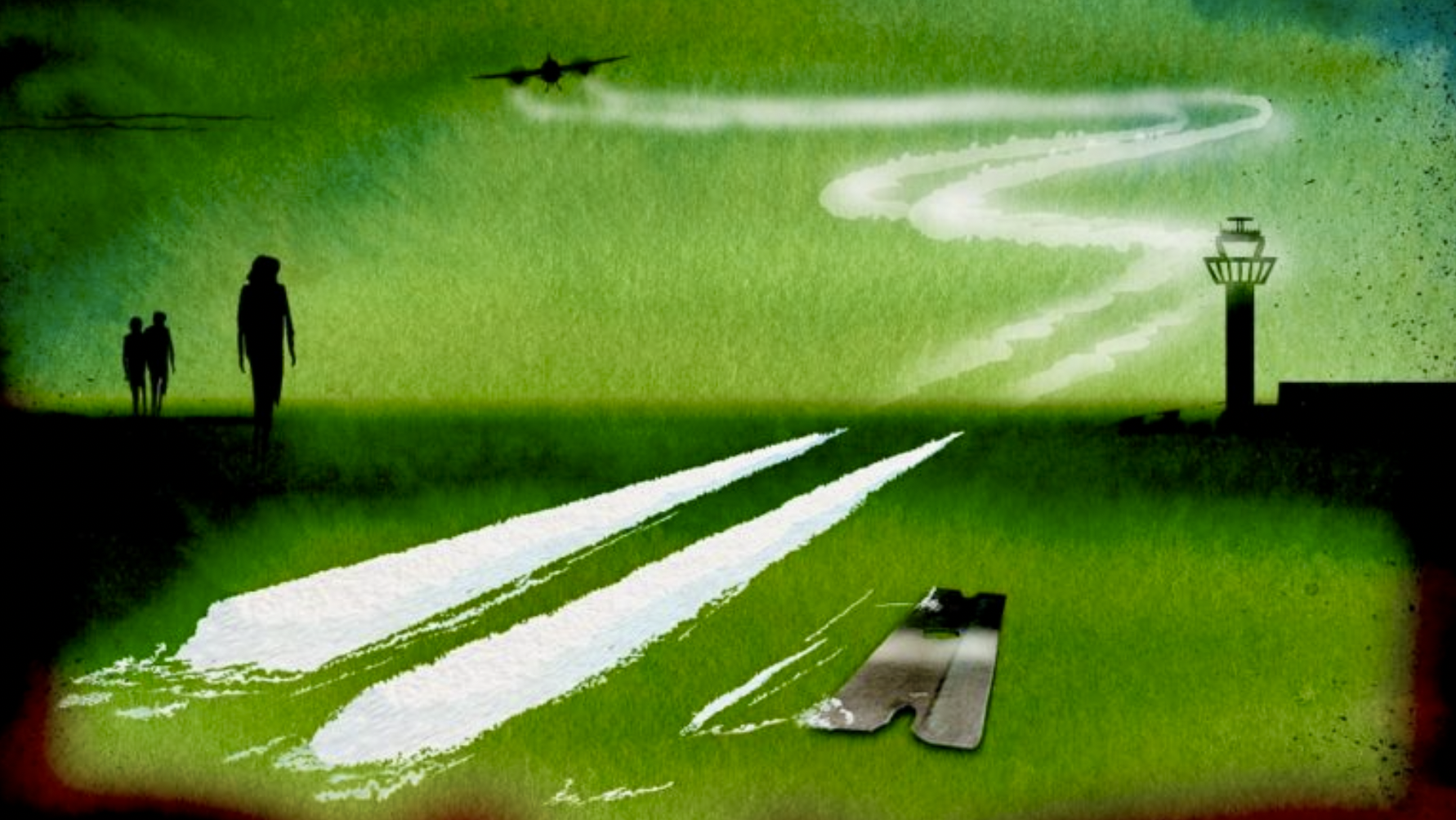
TBILISI (Realist English). Georgia is experiencing a deep drug crisis: addiction rates are rising, drug-related crimes are increasing rapidly, and the country’s strategic location is being actively exploited by transnational criminal networks. While the government reports record-breaking raids, the infrastructure designed to boost economic growth – the Baku-Tbilisi-Kars-Edirne railway (BTK) – may be becoming a new artery for illicit drug trafficking.
Alarming statistics: every fourth person tested is a drug user
The scale of drug addiction in Georgia is staggering. In 2025, the police tested 12,146 people suspected of drug use, of whom 9,397 (77.4%) tested positive. The problem is most acute in Tbilisi: out of 3,895 tested, 3,274 (over 84%) were positive. Next are the regions of Imereti (1,243 positive) and Samegrelo-Zemo Svaneti (1,215).
Prime Minister Irakli Kobakhidze has acknowledged “alarming trends” in drug use and distribution, stating that decisive measures “were needed to reverse them”. According to the authorities, these measures have reduced the availability of drugs almost eightfold – both physically and financially.
Drug crime: second most common offense
Drug-related crimes have become one of the most frequent types of offenses in Georgia. In 2025, there were 10,475 drug-related crimes recorded, making them the second most common after theft (13,896 cases). This is a sharp increase from 7,199 cases registered in just the first nine months of the same year.
The intensity of police operations is clearly demonstrated by arrests. In just two months of 2025, 1,417 people were detained on drug charges, a significant portion of whom were dealers. In the first quarter of 2026, the Georgian prosecutor’s office filed charges against 1,870 individuals, including 77 specifically for drug trafficking.
The 2026 campaign is breaking records:
- January 2026: 88 people arrested in a single day in Tbilisi and the regions – a record number of drug dealers and distributors.
- February 2026: 97 people detained during a 48-hour nationwide operation against organised crime, of whom 81 were involved in drug distribution.
- April 2026: 108 people arrested within 72 hours in a major anti-drug operation using test purchases, audio and video surveillance. Seized substances included cocaine, heroin, methadone, alpha-PVP, MDMA, and buprenorphine.
Those facing charges risk up to 20 years in prison or life imprisonment.
Georgia as a transit hub: from Afghanistan to Europe
Georgia’s geographical location between the Caucasus and the Black Sea places it on a key drug trafficking route from Afghanistan to Europe. Opiates travel through Iran and the South Caucasus onward to Russia, Turkey or Western Europe. The US State Department confirmed this assessment in its 2025 International Narcotics Control Strategy Report (INCSR): “Georgia continues to remain an attractive transit hub for significant volumes of opiates from Afghanistan, Iran, and other Eurasian countries, which use shipping routes through the Black Sea to deliver drugs to Europe.”
The report also warns that since Russia’s full-scale invasion of Ukraine (2022), “transnational drug networks have begun to lay new routes through Georgia for transporting opioids and synthetic drugs from Europe to Turkey, Armenia, and Azerbaijan.”
Russian authorities have also long called Georgia a major smuggling channel. Viktor Ivanov, former director of Russia’s Federal Drug Control Service (FSKN), stated: “The ports of Batumi and Poti have become the main hubs for drug trafficking, and the Georgian town of Kabuleti is one of the key transit points for Afghan heroin.”
According to estimates cited by Russian officials, about seven tons of heroin pass through Georgia annually – to Europe and Russia.
Seizures: tons of heroin in recent years
The volumes of intercepted drugs demonstrate the true scale of trafficking:
- 2023 (April): 400 kg of heroin seized in a joint Georgian-Belgian operation with US support.
- 2023 (May): 80 kg of heroin found in a commercial container from Iran at the port of Poti.
- 2025 (June): nearly 300 kg of heroin with a market value of about 85 million lari (approximately $30 million) was seized from a truck transiting through Armenia to Europe via Batumi. The case was described as “international drug trafficking of unprecedented scale” – the largest operation in the last ten years.
- 2025 (October): 250 kg of heroin worth up to 80 million lari on the black market was intercepted.
- 2025 (December): an attempt to smuggle 157 kg of heroin was prevented.
For context: in 2014, authorities seized 2.79 tons of liquid heroin worth about $400 million – reportedly belonging to the Taliban and destined for Europe.
The Baku-Tbilisi-Kars-Edirne railway: a new silk road for crime?
The BTK, opened in October 2017, is a flagship infrastructure project connecting Azerbaijan, Georgia, and Turkey. It is designed to increase regional trade, especially Chinese goods along the Middle Corridor. Freight traffic has grown sharply: in the first seven months of 2024, volumes reached 3.2 million tons – a 37% increase compared to the same period in 2023. The line currently carries about 5 million tons per year, with a plan to reach 15-17 million tons by 2034. Container traffic is also breaking records: in the first half of 2025, 11,084 TEU were transported via the BTK, almost equalling the volume for all of 2020. Notably, transit cargo accounts for 81% of total container traffic.
There is no direct evidence that the BTK is being used for drug trafficking. However, analysts highlight several concerning factors:
- Geographic overlap. The railway passes through Georgia’s southern regions, which have long served as a transit corridor for Afghan heroin coming through Iran and Armenia.
- Connection to ports. The BTK connects to Georgia’s Black Sea ports of Batumi and Poti – precisely those that Russian and US authorities identify as key drug hubs.
- Growth in container traffic. The avalanche-like increase in container volumes, especially transit containers, creates more opportunities for concealing prohibited goods. As noted in the US State Department’s 2025 report, “real steps to reduce drug flow remain limited,” despite government efforts.
- Enforcement gaps. The same report emphasises that although Georgia has adopted a National Drug Strategy for 2023-2030, the “main emphasis continues to be on punitive measures.” Access to substitution therapy is problematic, and there are virtually no long-term treatment programmes for drug addicts in prisons.
- Corruption risks. Russian sources have claimed that high-ranking Georgian officials, including the head of the anti-corruption department and the chief of staff of the ground forces, were arrested for heroin smuggling – these claims require independent verification.
Expert opinions
Aleksandre Darakhvelidze, Deputy Minister of Internal Affairs of Georgia: “The employees of the Ministry of Internal Affairs of Georgia continuously carry out relevant police measures against the illegal circulation and distribution of drugs. The investigation established that most of the suspects were part of organised criminal schemes for drug distribution.”
US State Department (INCSR): “Georgia continues to remain an attractive transit hub for significant volumes of opiates from Afghanistan, Iran, and other Eurasian countries. Since the start of Russia’s full-scale invasion of Ukraine, transnational drug networks have begun to lay new routes through Georgia for transporting opioids and synthetic drugs.”
International Narcotics Control Board (INCB): Georgia has expanded cooperation with the European Monitoring Centre for Drugs and Drug Addiction (EMCDDA), signing agreements on data collection systems and monitoring of new psychoactive substances. However, as the US State Department notes, “real steps to reduce drug flow remain limited.”
Conclusions
Georgia finds itself at a crossroads. The government is demonstrating unprecedented determination in combating drug trafficking – record arrests, tons of seized drugs, high-profile operations. But the underlying trends remain deeply troubling: addiction rates are still high, drug crime is rising, and the country’s advantageous geographical position continues to be exploited by criminal networks.
The Baku-Tbilisi-Kars-Edirne railway, for all its economic promise, creates a new vulnerability in Georgia’s fight against drugs. As container traffic grows and transit routes multiply, the risk of the “New Silk Road” turning into a “new opium highway” cannot be dismissed. Without sustained international cooperation, enhanced monitoring, and a balanced approach where treatment goes hand in hand with repression, Georgia’s drug crisis will deepen – with consequences that will be felt far beyond its borders.
Realist English will continue to monitor the intersection of infrastructure projects and transnational crime in the South Caucasus.