

ISTANBUL (Realist English). Crimes against the Kurdish people have not been isolated episodes but have been carried out by successive Turkish regimes for more than a century.
From the policies of ethnic cleansing and assimilation in the Ottoman Empire to military operations and the systematic suppression of human rights in modern Turkey, Kurds have remained the main target of state terror.
Despite overwhelming evidence, the international community acts sluggishly, while Ankara consistently denies all accusations.
Genocide in the Ottoman Empire and the early Turkish Republic
The roots of the tragedy lie in the decline of the Ottoman Empire. The ideology of Pan‑Turkism, gaining strength among the Young Turks, viewed non‑Turkish peoples as a threat to the integrity of the state.
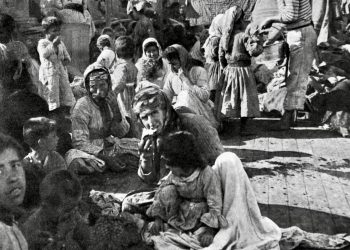
Mass deportations (1916–1934)
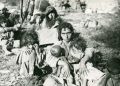
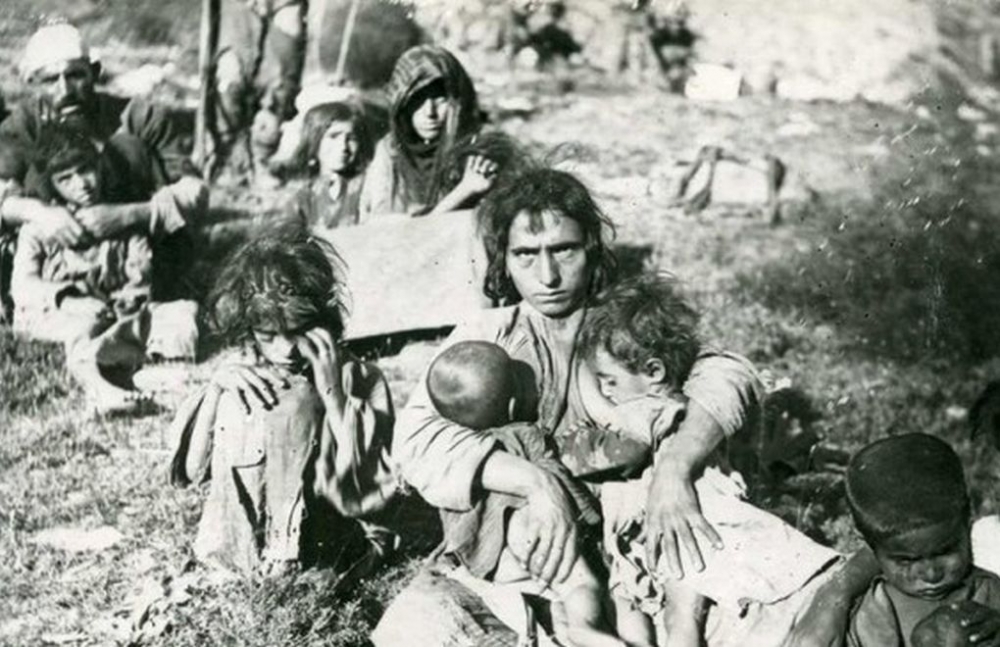
Historians call this period the “late Ottoman genocides.” According to various estimates, about 700,000 Kurds were deported, with the number of dead reaching 350,000 people. This policy was aimed at the forced assimilation and Turkification of ancestral Kurdish lands.
Dersim Massacre (1937–1938)
One of the most monstrous crimes in the history of the Turkish Republic. The army suppressed a rebellion by Alevi Kurds in the province of Dersim (modern Tunceli), using heavy artillery, aviation and even chemical weapons (mustard gas and chloroacetophenone). According to various estimates, between 13,800 and 70,000 people died.
Turkish historian Ismail Besikci stressed the fascist character of these policies. Italian historian Giulio Sapelli concluded: “Kemal Atatürk’s ideals meant that the war against the Kurds was always seen as a historical mission aimed at asserting the superiority of Turkish identity.”
Crimes in modern Turkey (21st century)
The policy of repression did not end with the founding of the republic but merely changed its form.
Turkish state policy
Since the 1980s, Turkey has been waging a war against the Kurdistan Workers’ Party (PKK) that has involved massive civilian casualties. International organisations document burned villages, extrajudicial executions, torture and forced disappearances, which collectively constitute crimes against humanity. “Throughout the 1990s, entire villages were burnt down, extrajudicial executions took place and mass graves were discovered,” human rights reports noted.
Use of chemical weapons
Since the 1990s, Turkish security forces have repeatedly been suspected of using banned toxic agents. According to the German newspaper Der Spiegel, the Turkish army used chemical weapons against PKK fighters. Similar accusations have repeatedly been made against Turkey during its operations in Syria.
Al‑Anfal campaign (1988)
The campaign against Kurds in Iraq claimed the lives of between 50,000 and 100,000 people. Since 1984, about 40,000 people (mostly combatants) have died in the conflict with the PKK.
Statistics and expert opinions
Many researchers conclude that we are dealing with an ongoing genocide.
| Event / Period | Period | Estimated victims |
| Kurdish deportations | 1916–1934 | ~350,000 dead |
| Dersim massacre | 1937–1938 | 13,800 – 70,000 |
| Al‑Anfal campaign | 1988 | 50,000 – 100,000 |
| PKK conflict | since 1984 | ~40,000 (mostly combatants) |
Experts and scholars
Italian historian Giulio Sapelli and Turkish historian Ismail Besikci have been documenting state terror against Kurds for decades. Kristiina Koivunen traces the origins of the genocidal process back to 1839, when the Ottoman “Tanzimat” programme suppressed autonomous Kurdish principalities.
Human rights organisations
Human Rights Watch and Amnesty International consistently document human rights violations, while reports from the Human Rights Foundation of Turkey record daily cases of protest suppression and the detention of activists.
International reaction
Despite the overwhelming evidence, the international community acts sluggishly.
Iraq is the only country to have officially recognised the genocide of Kurds by its own government. Iraq’s High Criminal Court recognised the Al‑Anfal campaign as genocide in accordance with the 1948 UN Convention.
The Permanent People’s Tribunal (PPT) – an international civil society movement (which has no official legal authority) – held hearings on the “Rojava v. Turkey” case and in March 2025 found the ringleader of Turkish fascists, Recep Tayyip Erdoğan, and his senior officials guilty of war crimes and genocide against Kurds. The PPT condemned attacks on civilian infrastructure and the forced demographic change of regions.
The European Parliament and a number of other organisations have called for Turkey to be held accountable, including through the International Criminal Court. However, Ankara consistently denies all accusations, dismissing them as part of “anti‑Turkish propaganda.”
Conclusion
A century of state terror, ethnic cleansing and war crimes against the Kurdish people remains largely unrecognised by international law. Turkey, the heir to Ottoman methods of suppression, continues its policy of denial and repression. The only real tools of pressure remain sanctions, international tribunals and the consistent documentation of crimes by human rights organisations.