

DUBAI (Realist English). Four years of negotiations on free trade between Britain and the Gulf Cooperation Council (GCC) have finally succeeded. The agreement, signed on May 20, is the first such treaty between the G7 and the six Gulf monarchies.
Key parameters of the deal
The joint statement in London was signed by UK Trade Minister Sir Chris Bryant and GCC Secretary General Jasem Mohamed AlBudaiwi. The document covers areas ranging from trade in goods and services to the digital economy and investment protection.
The economic benefit for London is estimated at £3.7 billion (about $5 billion) in annual GDP growth. Real wage growth for Britons is expected to be an additional £1.9 billion per year. Total trade turnover is projected to increase by nearly 20%, adding about £15.5 billion annually.
Tariff removal is a key part of the agreement. Duties will be lifted on 93% of British goods in Gulf countries. This represents annual savings of £580 million, of which £360 million will disappear on the very first day the deal takes effect.
Tariffs will be eliminated on British cheeses, chocolate, butter and cereals, medical equipment, aerospace and defense industry goods, and passenger cars.
In the services sector, Britain has gained unprecedented access to GCC markets. This locks in current levels of access, prohibiting future restrictions on foreign ownership and localization requirements.
The digital component of the agreement: for the first time, the GCC has formally committed not to require British companies to store data compulsorily on their territory. This saves them from having to build expensive local data centers.
Total bilateral trade between Britain and the Gulf states is estimated at approximately £53 billion per year. The signed free trade agreement is expected to increase this figure by a further 20%. The GCC ranks among London’s top 10 largest trading partners. British exports account for about two-thirds of total trade, underscoring the region’s importance for English manufacturers.
Reaction from both sides
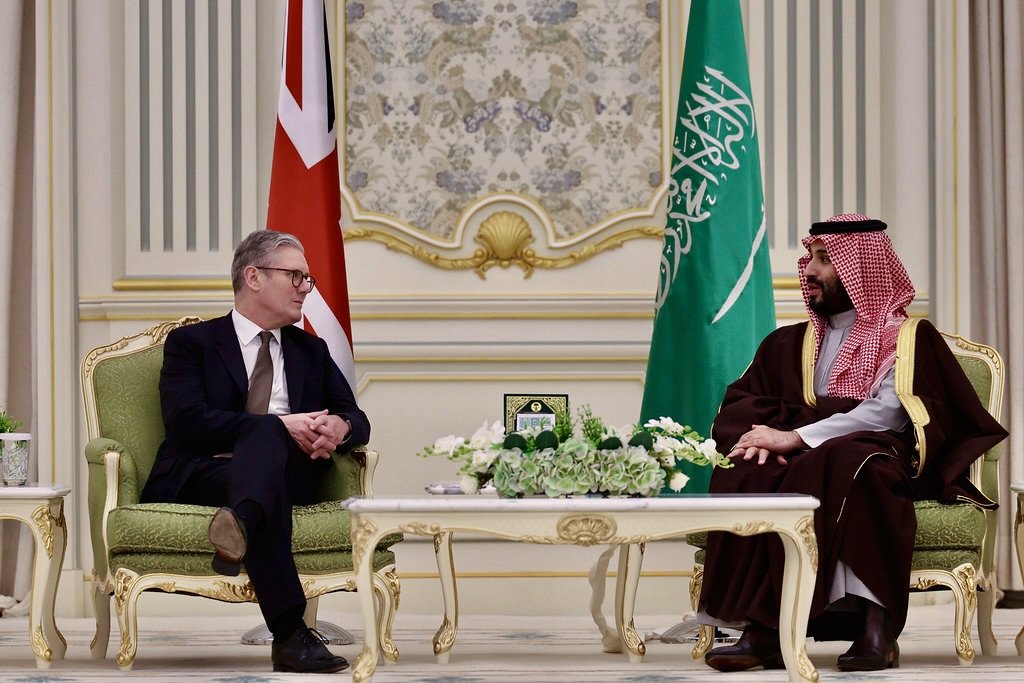
Prime Minister Keir Starmer called the deal a “huge victory for British business,” noting that it is the fifth major trade agreement concluded by his cabinet, following deals with India, the United States, the EU and South Korea.
Trade Secretary Peter Kyle emphasized that in a “period of heightened instability” in the Middle East, this move sends a clear signal of confidence.
The British business advisory body hailed the increased opportunities for manufacturers, exporters and the financial sector.
The GCC Secretary General said the event would strengthen the economic foundations of both regions for generations to come.
Geopolitical backdrop
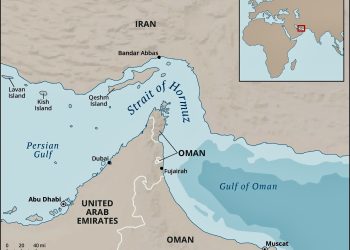
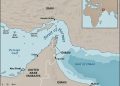
The agreement comes against the backdrop of the US-Israeli war with Iran, which has already caused disruptions in energy and food supplies for several months. London thus seeks not only to secure supply chains but also to strengthen cooperation with the monarchies at a critical moment.
Criticism
The opposition saw the deal as yet another “Brexit opportunity” that the new government risks missing due to its proclaimed pro-European stance.
Human rights advocates note that the parties managed to avoid including any human rights protections in the agreement, ignoring the Emirati and Saudi practice of suppressing dissent. Activists also fear the climate component: the deal ties Britain to some of the world’s largest hydrocarbon producers.
Meanwhile, the White House has expressed concern that the new treaty with the GCC could reduce the effectiveness of sanctions against Tehran.