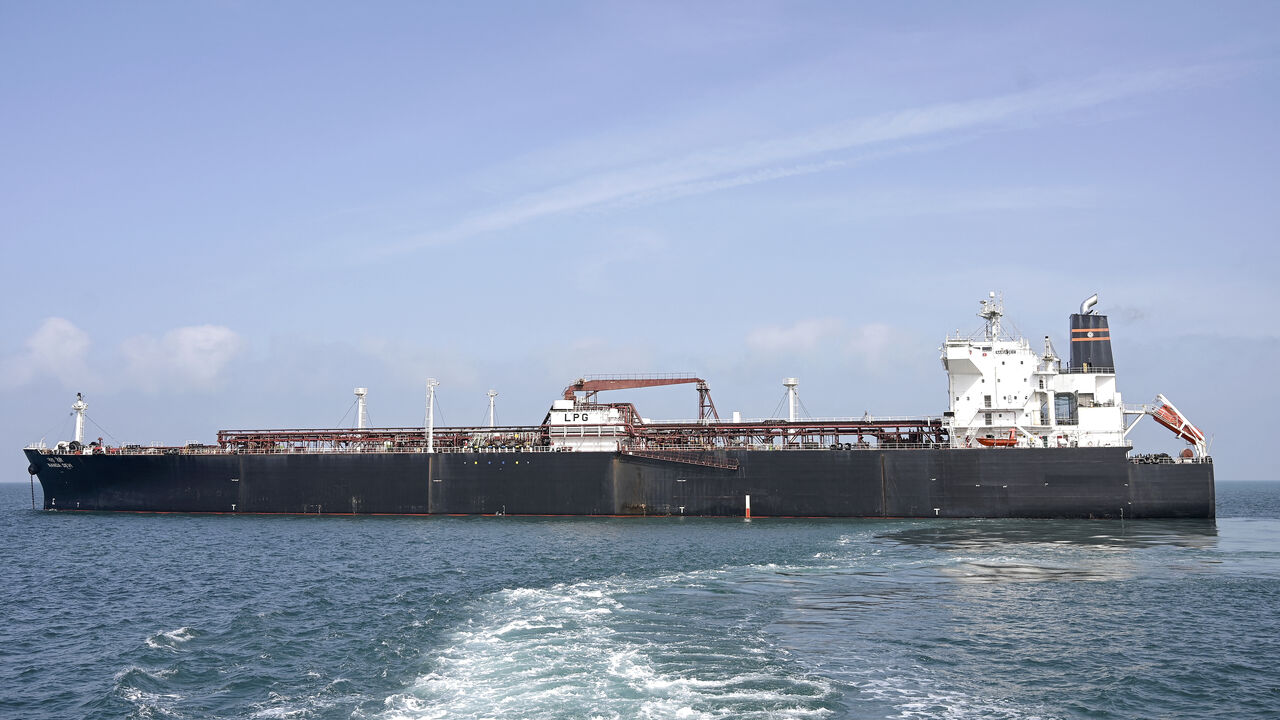
LONDON (Realist English). Traffic through the Strait of Hormuz has fallen by approximately 95% since the start of the Iran war, according to shipping analytics firm Kpler, as Iran tightens control over one of the world’s most critical energy chokepoints.
Between March 1 and March 19, only 114 commodity vessels transited the strait, compared to normal levels, with just 39 crossings recorded after March 2 — indicating a rapid deterioration in shipping conditions following the initial phase of the conflict.
Key facts
The Strait of Hormuz typically carries around 20% of global oil and liquefied natural gas flows. Its near closure has effectively gridlocked global shipping and triggered volatility in energy markets.
Most vessels currently passing through the strait are Iranian-owned or approved by Tehran. According to Lloyd’s List Intelligence, Iran has established a system to register “approved” ships, allowing selective transit under its control.
Governments including China, India, Pakistan, Iraq, Malaysia, and Turkey are reportedly negotiating directly with Iranian authorities to secure safe passage for their vessels.
Iranian oil exports have increased despite the disruption, reaching around 2.1 million barrels per day — above pre-conflict levels of 2 million — according to Kpler data.
US pressure and alliance tensions
US President Donald Trump has sought to form an international naval coalition to secure shipping routes but has so far failed to obtain firm commitments from key allies.
In a post on Truth Social, Trump criticised NATO allies, calling them “cowards” and warning that without US leadership, “NATO is a paper tiger.”
Leaders from Canada, the United Kingdom, France, Germany, Italy, the Netherlands, and Japan issued a joint statement expressing readiness to support efforts to reopen the strait but stopped short of committing naval forces.
Energy market impact
Oil prices have surged amid fears of prolonged supply disruption. Brent crude approached $120 per barrel earlier in the week before stabilising near $110.
Saudi officials, cited by The Wall Street Journal, warned that prices could exceed $180 per barrel if the disruption continues into late April.
The International Energy Agency (IEA) described the situation as “the greatest global energy security threat in history,” warning that even if hostilities end immediately, it could take at least six months to restore normal oil and gas flows.
Strategic dynamics
Iran has leveraged its geographic control over the 67-kilometre strait as a strategic response to US and Israeli strikes, which targeted key figures and infrastructure inside the country.
By regulating access to the waterway, Tehran is exerting pressure not only on military adversaries but also on global energy markets and dependent economies.
At the same time, the United States is considering measures to stabilise supply, including releasing additional strategic oil reserves and potentially easing sanctions on up to 140–170 million barrels of Iranian oil currently at sea.
Why it matters
The disruption marks one of the most severe shocks to global energy supply in decades, exposing the vulnerability of critical maritime chokepoints.
It also highlights fractures within Western alliances, as US efforts to mobilise collective security responses face hesitation from partners wary of escalation.