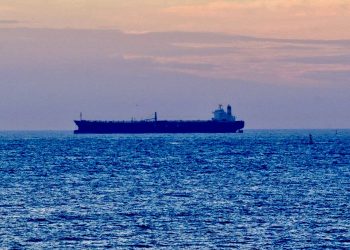


NEW DELHI (Realist English). India is preparing to send its own tankers through the Strait of Hormuz for the first time since the start of the US-Israeli war against Iran, aiming to load oil from Middle Eastern suppliers. The plans have been finalized, and the vessels will begin moving as soon as the government gives final approval, according to informed sources.
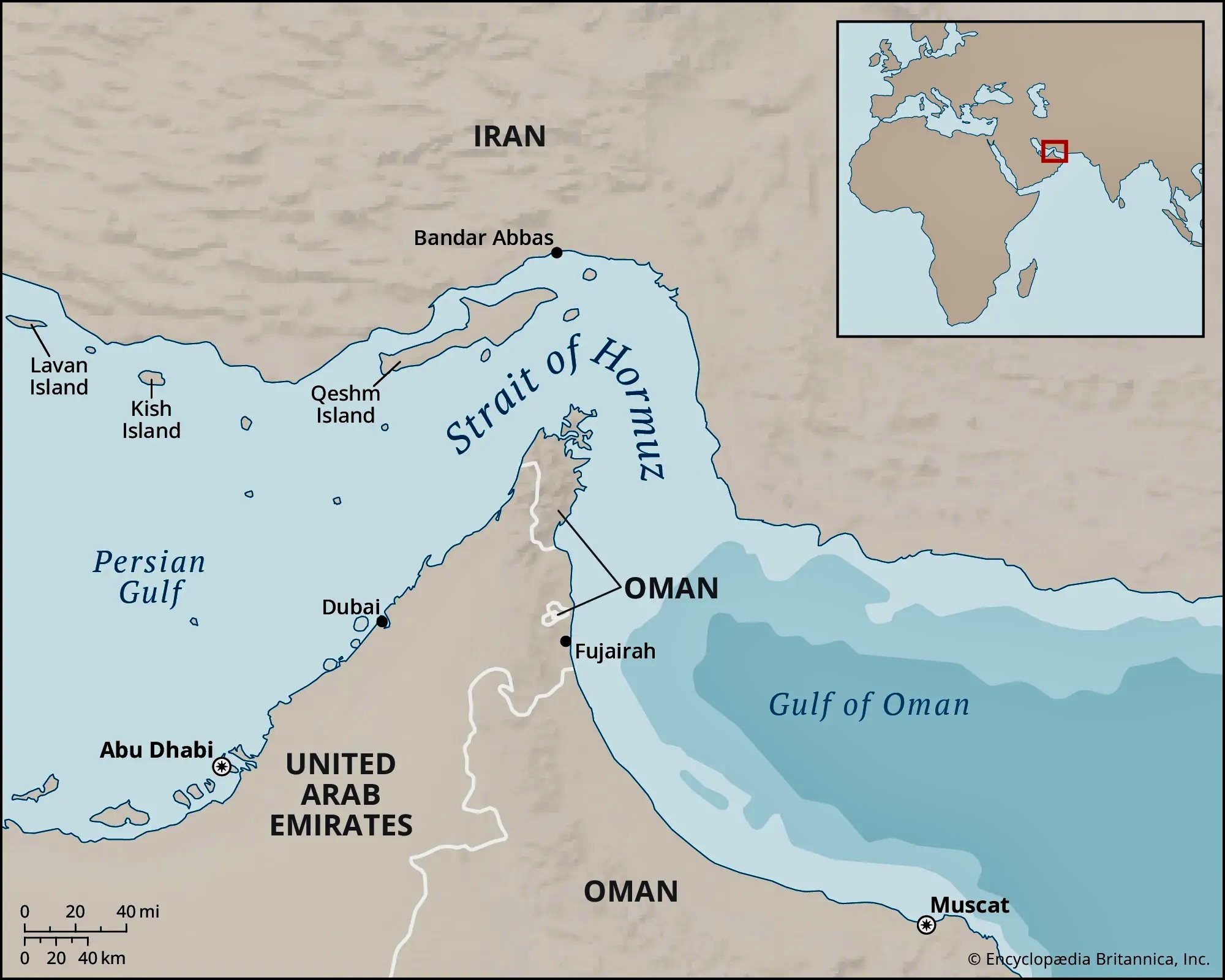
The decision comes amid a severe energy crisis in the world’s third-largest economy. Traffic through the Strait of Hormuz, through which one-fifth of global oil flows passed before the war, has been virtually halted since late February due to the conflict, causing catastrophic price shocks.
“The plans have been finalized. The ships will begin attempts to cross the strait as soon as the government gives the go-ahead,” anonymous sources said. State-owned Shipping Corp of India is ready to return to the Persian Gulf immediately after receiving permission from the Indian Navy and confirmation of orders from refiners.
Tankers heading for the breakthrough
The war in the region has left India in an extremely vulnerable position. The country, which imports nearly half of its energy resources — about $180 billion in 2024 — from Gulf states, has become a hostage to the geopolitical conflict. By early April 2026, about 35 vessels bound for India or with Indian crews were blocked in the western part of the Persian Gulf.
The situation sharply escalated on April 18, when Iranian forces opened fire on two vessels heading to India, forcing 13 out of 14 tankers to turn back. That same day, New Delhi summoned the Iranian ambassador to lodge a strong protest.
Despite the incidents, India has no intention of abandoning its plans. The main reason is the economic efficiency of direct purchases in the region. Alternative supply sources require significantly more time and are much more expensive.
Private fleet under aircraft carrier protection
In response to the threats, the Indian Navy has taken unprecedented measures. The number of warships in the region has been doubled, and aerial reconnaissance has been strengthened. Two aircraft carrier strike groups — INS Vikrant and INS Vikramaditya — have been deployed in the Persian Gulf, carrying more than 35 aircraft, numerous surface ships and submarines. Warships escort Indian vessels and ships bound for India after they safely exit the strait.
The government has also launched a special state maritime insurance program to provide uninterrupted coverage for Indian vessels and cargo operating in high-risk zones, including the Strait of Hormuz.
In early May, the Indian government firmly notified Tehran that it will not request special permits or pay “protection fees” for its vessels, which will operate under the active guidance of the Indian Navy.
Return of Iranian oil
The energy crisis forced New Delhi to reconsider a seven-year taboo on importing Iranian oil. In early April, the Indian government officially confirmed the resumption of purchases, and the first shipments have already reached Indian shores. The supertankers Jaya and Felicity, which are under US sanctions, delivered about 4 million barrels of Iranian oil to the ports of Paradip and Sikka.
In total, approximately 4 million barrels of Iranian oil were purchased, along with 44,000 metric tons of liquefied petroleum gas. Some deals were conducted in Chinese yuan using branches of ICICI Bank in Shanghai, bypassing the dollar system.
However, Washington has already announced that it will not extend the temporary waivers granted as part of a 30-day period to mitigate the price shock. The sanctions window for Iran expires in the coming days.
Parallel corridors and strategic landscape
Leading rating agency Moody’s, in its report of May 12, reached an important conclusion: full resumption of shipping through the Strait of Hormuz will not occur in 2026. Transit flows will recover only gradually, through bilateral channels.
According to Moody’s forecast, major oil importers — China, India, Japan and South Korea — will conduct bilateral negotiations with Iran on passage, “potentially through coordinated transit corridors such as those emerging near Larak Island and through Oman’s territorial waters.”
Consequences for India are catastrophic
The country is one of the most vulnerable: about 46% of its crude oil imports come from the Middle East, and before the war 60% of its LNG imports and 90% of its LPG imports passed through the strait. Moody’s has already downgraded its 2026 GDP growth forecast for India by 0.8 percentage points to 6%, while raising its inflation forecast by 1 percentage point to 4.5%.
Against this backdrop, the port of Chabahar takes on particular importance, which Iran’s foreign minister has called the “golden gateway” for India to Central Asia and Europe. New Delhi hopes to conclude a long-term port management agreement with Tehran for 10 years, which would give India control over a key part of the port.