LONDON (Realist English). The war involving Iran has exposed the global economy’s dependence on vulnerable fossil fuel supply routes, intensifying calls to accelerate the transition to renewable energy as disruptions in the Strait of Hormuz ripple across global markets.
Fighting has effectively halted much of the oil and liquefied natural gas (LNG) traffic through the strait, a critical chokepoint that carries around 20% of global energy supplies. The disruption has driven sharp price increases and triggered supply concerns across multiple regions, particularly in Asia, which relies heavily on Gulf energy imports.
Europe and Africa are also facing growing pressure. European governments are exploring demand reduction measures, while many African economies are bracing for rising fuel costs and inflation due to their reliance on imported oil for transport and logistics.
Analysts note that, unlike previous energy crises, renewable energy is now cost-competitive in many markets. According to the International Renewable Energy Agency, more than 90% of new renewable power projects in 2024 were cheaper than fossil fuel alternatives, strengthening the economic case for accelerating deployment.
However, oil remains critical beyond electricity generation, including in fertilizers, petrochemicals, and industrial production. As a result, most economies remain exposed to supply disruptions, even as renewable capacity expands.
“This is a structural feature of the system,” said energy analyst James Bowen of ReMap Research, noting that such crises are inherent to fossil fuel-based supply chains.
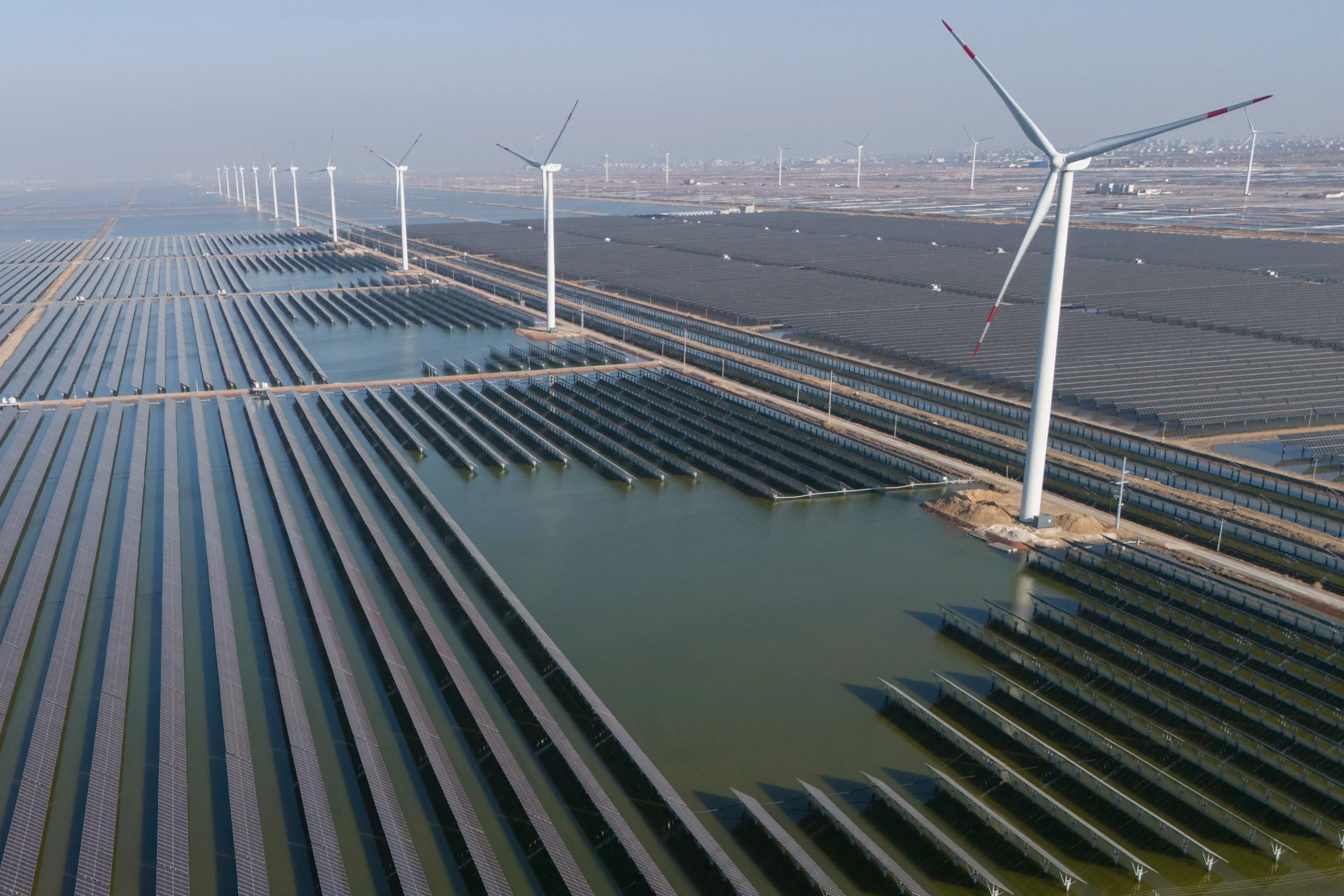
The impact varies by country. China, the world’s largest energy consumer, has built a significant renewable energy base alongside its fossil fuel imports, allowing it to partially buffer shocks. Electrification and renewable deployment have reduced its vulnerability, though it remains the largest crude oil importer globally.
India has also expanded solar and wind capacity, but at a slower pace and with continued reliance on coal and imported fuels. The current crisis has exposed gaps in energy resilience, with shortages of cooking gas and risks to key industries such as fertilizers and ceramics.
In Europe, policymakers are revisiting lessons from the 2022 energy crisis triggered by Russia’s invasion of Ukraine. While initial efforts focused on reducing fossil fuel dependence, many countries instead diversified suppliers, investing heavily in LNG infrastructure rather than accelerating the energy transition.
In Asia, countries such as Japan and South Korea remain heavily dependent on imported fossil fuels, though the current crisis is prompting renewed interest in domestic renewable energy as a strategic priority.
Lower-income countries face the greatest risks. Nations in Africa and South Asia, including Bangladesh and Zambia, are struggling with rising import costs, limited reserves, and growing inflationary pressure. Some governments have already introduced emergency measures such as fuel rationing and power cuts.
At the same time, examples of renewable resilience are emerging. Pakistan’s expansion of solar energy has reduced its reliance on imports, while Vietnam’s solar capacity is helping offset rising fuel costs. These cases highlight how domestic renewable resources can provide a buffer against global supply shocks.
Analytically, the crisis reinforces a structural shift in the global energy debate: from climate-driven transition to security-driven transition, where resilience and independence are becoming central arguments for renewables.
The key question is whether governments will translate this urgency into sustained investment in clean energy, or revert — as in past crises — to short-term fossil fuel solutions that leave the system exposed to future shocks.