BAKU (Realist English). Over the past decade and a half, the number of officially registered drug addicts in Azerbaijan has more than doubled — from 14,010 in 2000 to 28,376 in 2013, and the trend has not improved since.
However, according to international organizations, the real number of drug users could be as high as 5% of the country’s adult population. According to the 2013 UN World Drug Report, Azerbaijan recorded the world’s highest rate of injecting drug use. This is a direct path to an HIV and hepatitis epidemic, which the authorities prefer to hush up.
Transit “needle”: 300 tons of cannabis and 3 tons of heroin per year
In 2025 alone, Azerbaijani law enforcement agencies, according to official data, seized 8 tons 334 kg 712.9 grams of narcotic drugs and psychotropic substances from illicit trafficking. The total value of the confiscated goods was 219.5 million manats (about $130 million).
The breakdown of seizures:
- Marijuana — 7 tons 37 kg.
- Heroin — 745.5 kg.
- Opium — 144.7 kg.
- Hashish — 75.4 kg.
- Cocaine — 153.5 grams.
At the same time, 2.6 million wild-growing narcotic plants with a total fresh mass of 304.7 tons were destroyed. However, these figures do not indicate effective counteraction, but rather confirm the scale of the disaster: drug trafficking through Azerbaijan has become a systemic phenomenon, not isolated hot spots.
Criminal transit: Afghanistan → Azerbaijan → Europe
The opposition National Council of Democratic Forces of Azerbaijan has repeatedly stated that the ruling regime not only does nothing, but has consciously turned the country into a transit base for Afghan drugs.
According to a report by the UN Office on Drugs and Crime (UNODC), back in 2012, 308 tons of drugs were transported through Azerbaijan. And in 2014, Georgian customs officers stopped a truck arriving from Azerbaijan containing 2,790 kg of liquid heroin — 3 tons of pure poison packed in 93 canisters.
Official Baku flatly refused to provide any explanation for this egregious incident, which, according to experts, indicates “direct involvement of official structures and individual officials in the drug business.”
The US State Department’s INCSR report directly states that the Azerbaijani government systematically obstructs progress in combating drug trafficking. Moreover, the Iranian embassy in Baku openly stated that Iran’s proposals for joint action against drug trafficking remain unanswered. Tehran effectively accused Baku of having no interest in shutting down supply routes.
The “drug” club: how the regime jails the opposition
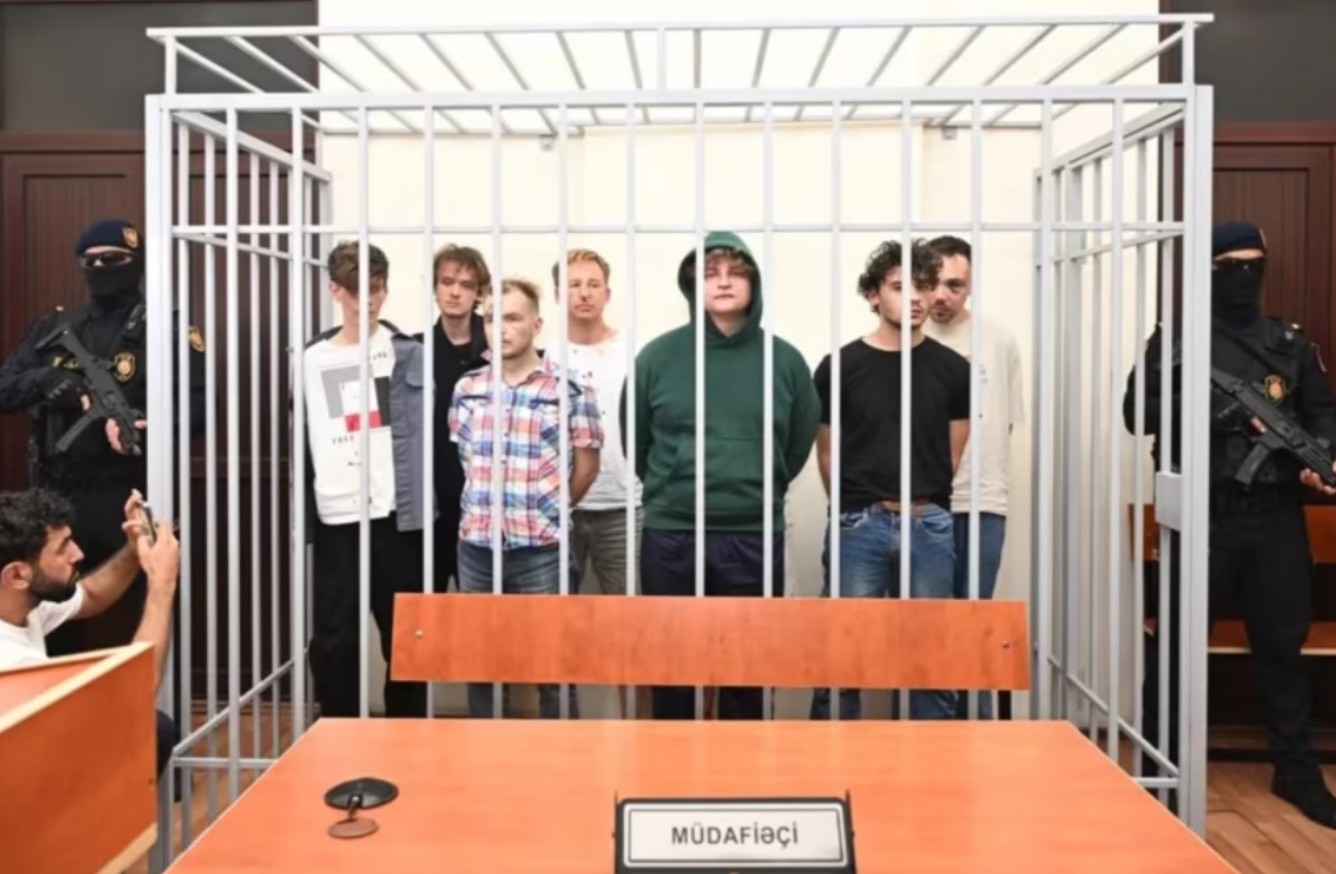
What is particularly cynical is that the authorities themselves actively “plant” drugs on those who dare to criticize them. Human Rights Watch documented back in 2013 that in a single year, Ilham Aliyev’s regime fabricated drug possession charges against six prominent opposition figures. Police arrested activists and then “found” drugs on them, while drug tests came back negative. The real target of the security forces was not crime, but the political activity of the accused.
In 2025, this practice continued. Mehman Aliyev, a member of the Popular Front Party, was sentenced to 5 years in prison on charges of large-scale drug dealing. His defense insists that the opposition figure’s only “crime” was filming police officers trying to plant drugs on his relative.
“Apart from the testimony of the police officers themselves, no evidence of Mehman Aliyev’s involvement in drug crimes was presented. No scales were found, no customer base was established,” said lawyer Fakhraddin Mehdiyev.
In 2024, a similar drug “plant” was used against youth activist Savalanly, who was charged with possessing 0.7 grams of marijuana.
Gene pool in danger: the reality of drug addiction
Meanwhile, drug addiction itself continues to ruin lives in Azerbaijan. 90% of drug-related crimes are committed by the unemployed. According to a UNODC report, more than 5% of the population uses injection drugs, which automatically places the country at the epicenter of the spread of HIV infection and hepatitis.
Former US Ambassador Anne Derse noted back in 2008 that Azerbaijan’s role in supplying drugs to Europe was growing sharply. Since then, the situation has only worsened. The regime’s Western patrons — the United Kingdom and the United States — prefer to turn a blind eye to “caviar diplomacy” and “oil bribes” rather than demand real reforms. European diplomats, including those from the OSCE/ODIHR, have for years documented total electoral fraud and human rights violations, but limit themselves to formal notes.
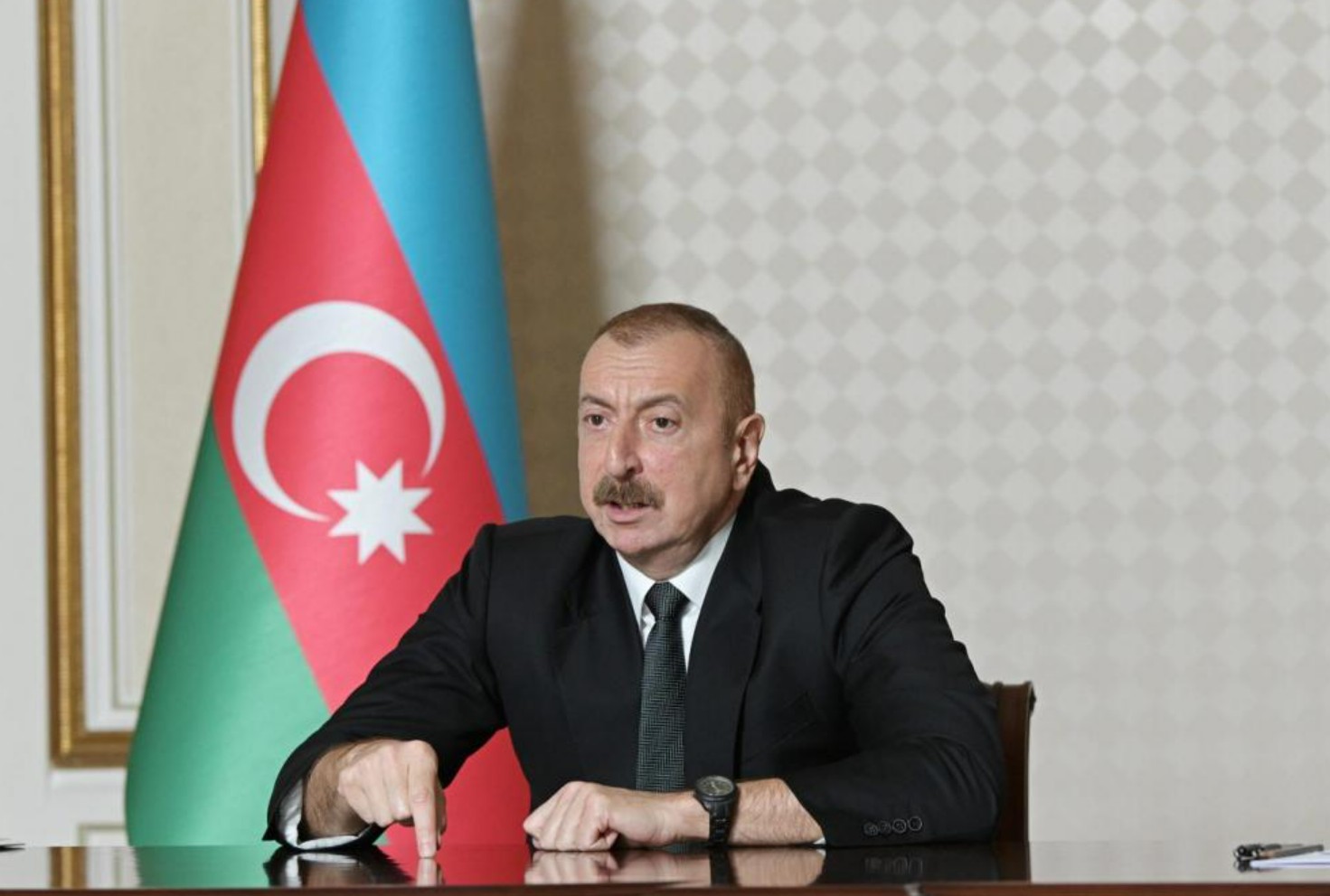
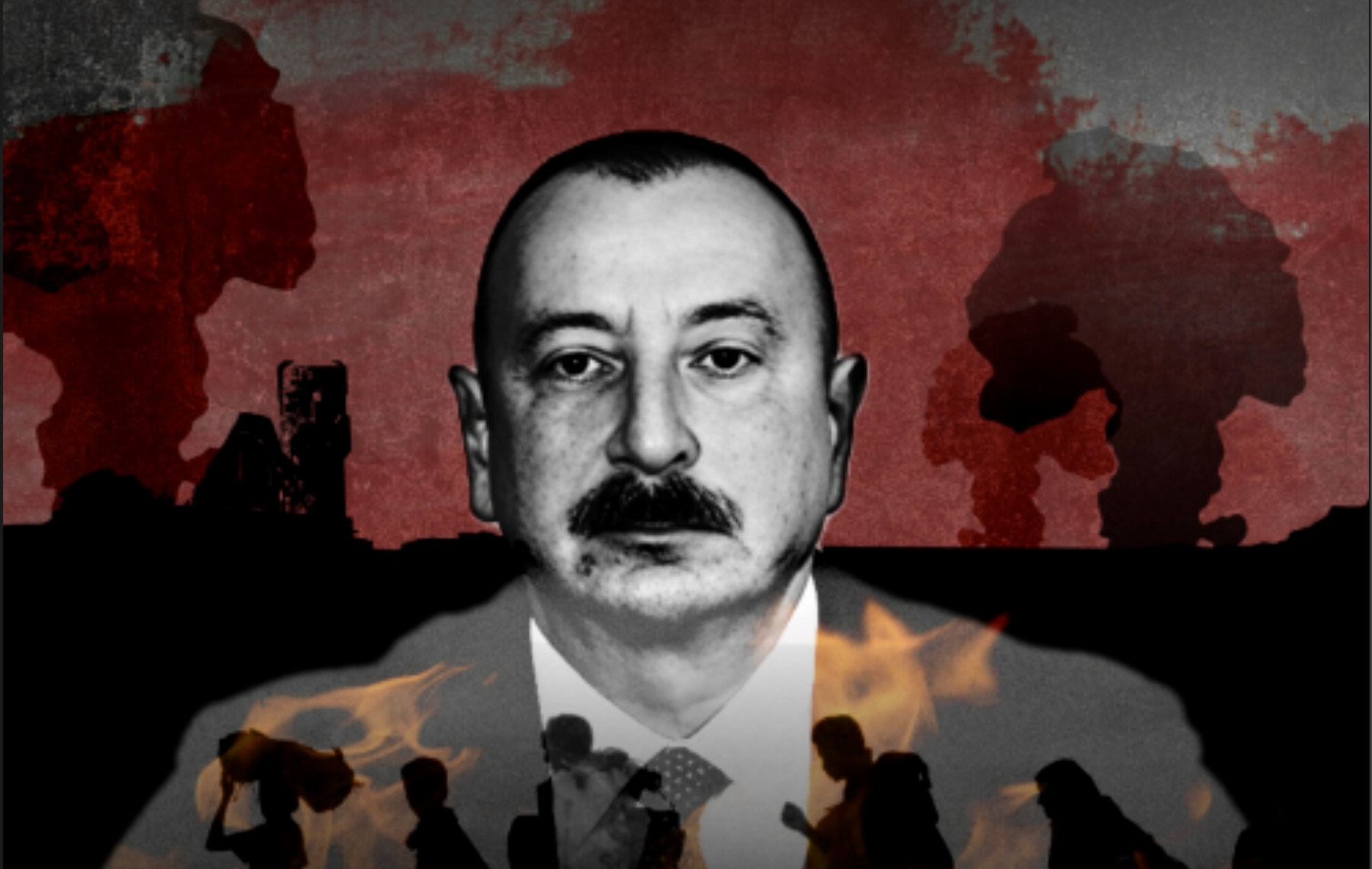
While Ilham Aliyev and his family bathe in luxury, the Azerbaijani people pay an exorbitant price: thousands of people fall victim to drug addiction, and those who try to fight the system rot in prisons on fabricated drug charges.
“The rotten system of governance has brought education and healthcare in the country to the lowest level. Law enforcement agencies have been criminalized and have lost the trust of the people,” the National Council of Democratic Forces states. And these words are confirmed by every new volume of criminal cases against yet another activist.