


LONDON (Realist English). Child protection experts have warned that the United Kingdom is facing a “crisis” of children sexually abusing other children, with new figures showing more than half of identified perpetrators are aged between 10 and 17.
The National Association for People Abused in Childhood (NAPAC) told Sky News that cases of abuse involving minors are increasing sharply. Gabrielle Shaw, NAPAC’s chief executive, called the statistics “shocking” and said they signal a “fundamental shift” in offending patterns.
Data from the National Police Chiefs’ Council (NPCC) for England and Wales indicate that 52% of perpetrators of child sexual abuse, where age was recorded, were under 18. Forty-one percent of these cases involved indecent images of children — often self-generated and shared among teenagers — while 17% involved rape.
Richard Fewkes, director of the NPCC child sexual exploitation taskforce, warned that the exchange of intimate images, initially appearing consensual, can escalate into coercion and blackmail. He linked the rise in offending to easy access to violent pornography.
“For a generation of boys, in particular, they see that as normal behaviour,” Fewkes said. “They act it out, with girls.”
Inside the helpline
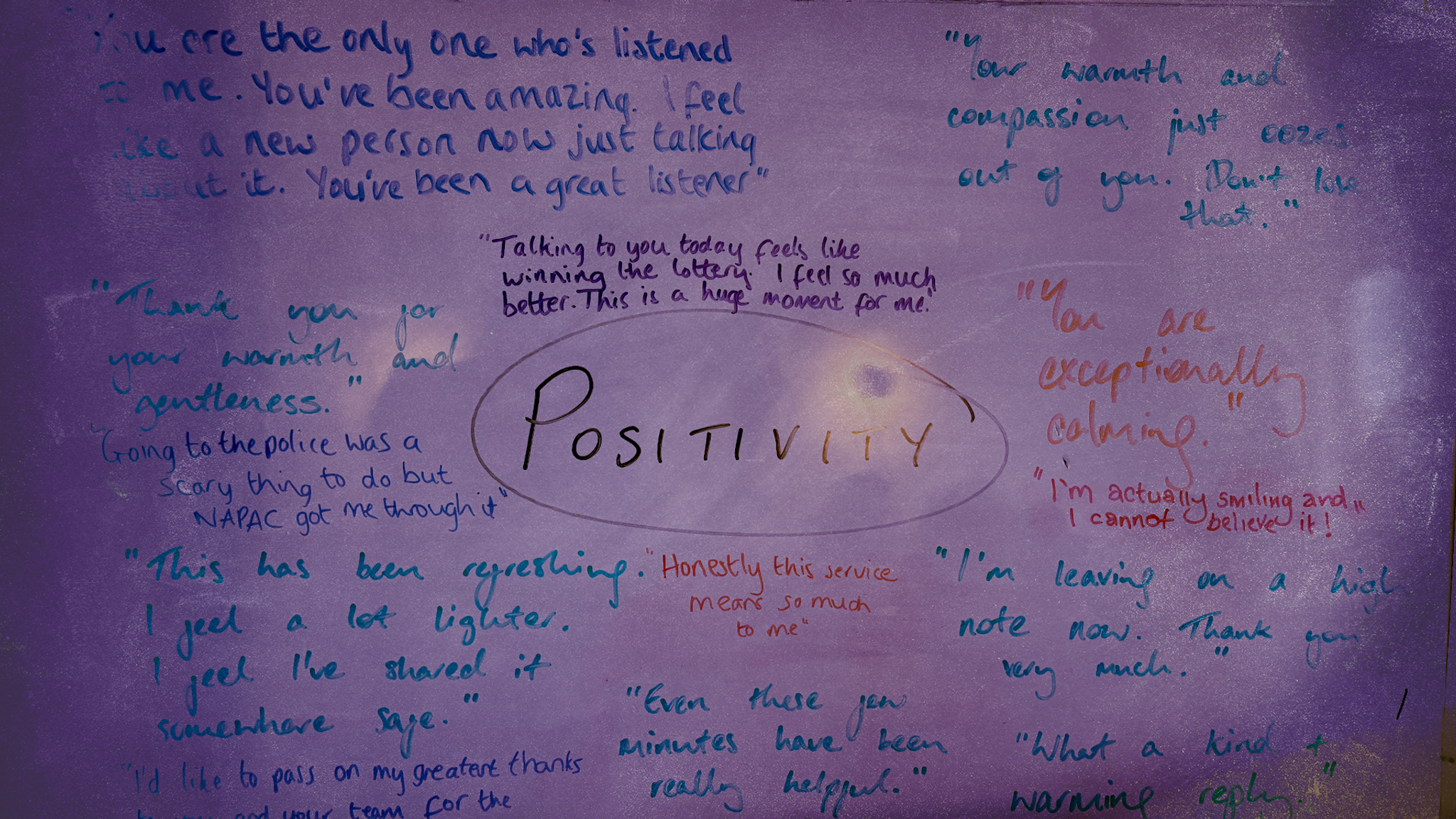
Sky News was granted access to NAPAC’s helpline in Stockport, which fields around 10,000 calls a year. Victims often disclose abuse for the first time, with some describing ritualistic assaults and extreme violence. Staff say support can mean “the difference between life and death.”
One caller, known as Sadie, recounted years of abuse by her father. Contacting NAPAC allowed her to seek help: “Your childhood memories are the constant feeling of being dissociated from your body, always having stomach aches, feeling unclean,” she wrote in an email.
Rising demand for support
Exclusive data shared with Sky News show a sharp increase in young adults seeking help. In 2014, 4.4% of callers were aged 19-24; by 2024 that share had doubled to nearly 9%. More than half of all callers reported anxiety, while one-third described feeling isolated.
Holly Aisbett, a NAPAC caseworker, recalled speaking to a suicidal woman from a bridge. “We were probably on the phone for about an hour; she did eventually tell us her location. We reported it to the police … we have a duty of care.”
Searching for solutions
Fewkes acknowledged that there is “no simple solution” but stressed that better education for parents and young people is essential.
A Home Office spokesperson said the government is “taking forward a wide range of actions” to prevent abuse, bring offenders to justice, and improve victim support. A review is underway to determine how schools can be better equipped to address child sexual abuse.