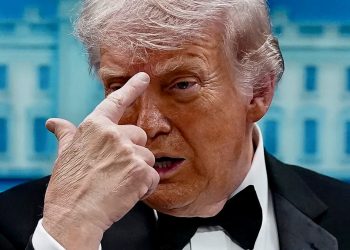

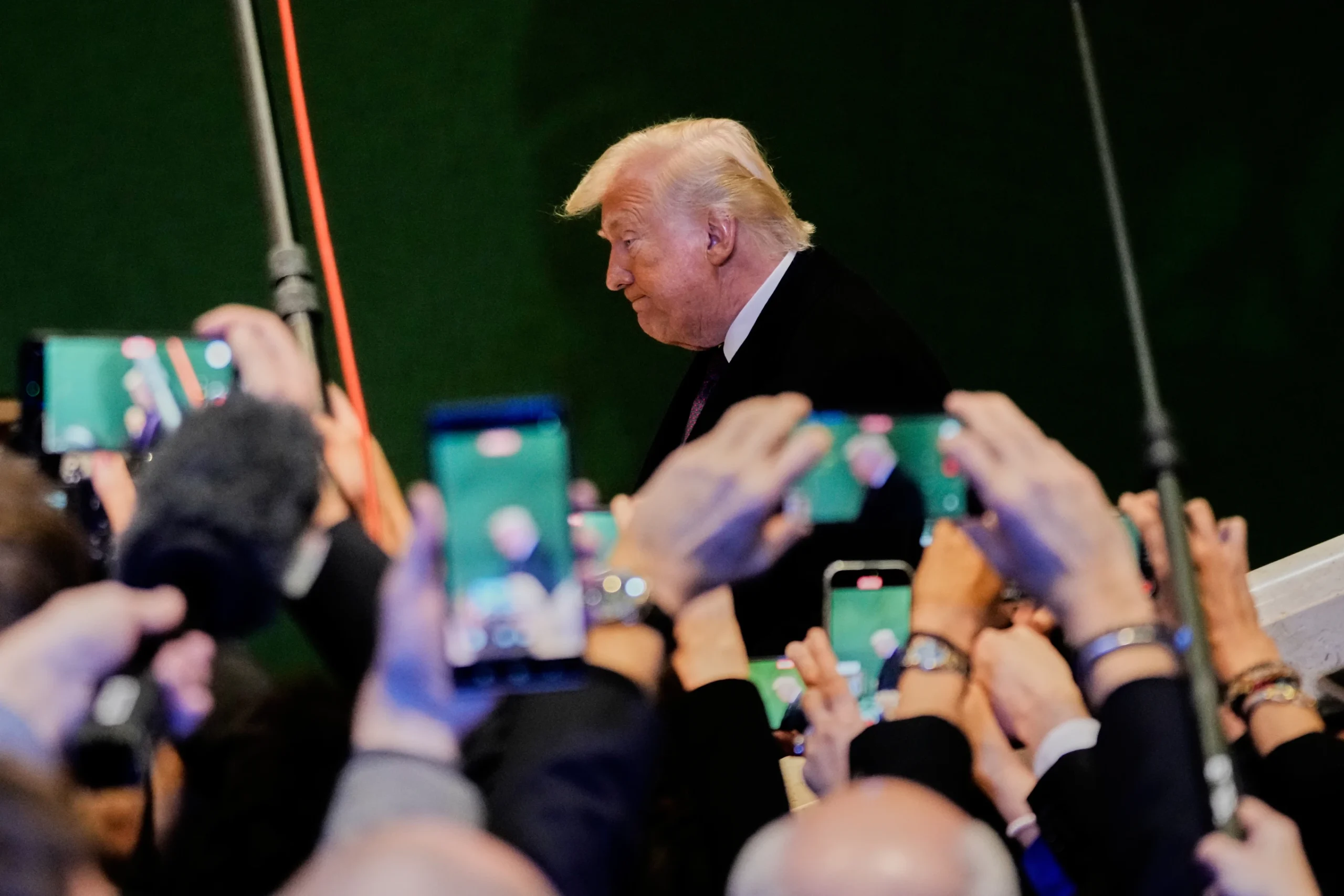
DAVOS (Realist English). US President Donald Trump on Thursday formally announced the creation of a new international body dubbed the “Peace Council” at the World Economic Forum, calling on more countries to join an initiative critics say could undermine the authority of the United Nations.
The founding charter was signed on January 22 and has “officially entered into force,” White House press secretary Karoline Leavitt said. The document was endorsed by leaders from 19 countries, including the United States, Azerbaijan, Armenia, Kazakhstan, Uzbekistan, Pakistan, Indonesia and Hungary. Some leaders who signalled support were not present at the signing, including Belarusian President Alexander Lukashenko.
In opening remarks, Trump said the Peace Council would cooperate with the United Nations and would not seek to replace it. He outlined a broad agenda covering the Middle East and other global flashpoints, naming efforts to resolve the conflict in Gaza as a priority. Trump, who will chair the body, said the council “has every chance to become one of the most significant institutions ever created.”
Under the charter, countries contributing $1 billion would be eligible for permanent membership, while others would serve fixed terms. Few of Washington’s Western allies have joined so far, with Hungary the only EU member to sign on. Countries accepting Trump’s invitation include Albania, Argentina, Belarus, Egypt, Israel, Morocco, Pakistan, Qatar, Saudi Arabia, Turkey, the United Arab Emirates and Vietnam.
According to Reuters, around 35 countries have agreed to participate, out of invitations sent to roughly 60 states, including Russia, Belarus and China. Reuters reported—citing interviews with 16 officials and delegates at Davos—that some governments feel pressure to join to avoid straining ties with Washington, pointing to US tariffs and disputes involving Iran, Venezuela, Gaza and Greenland.
Russian President Vladimir Putin said Moscow is prepared to contribute $1 billion from frozen Russian assets to the council.
In Europe, the initiative has met resistance. Several leaders expressed concern that the draft charter concentrates decision-making power in Trump’s hands, potentially allowing him to remain chair indefinitely unless he steps down voluntarily or the executive committee votes unanimously to remove him. The committee is expected to include US Secretary of State Marco Rubio, Trump’s son-in-law Jared Kushner, and former UK prime minister Tony Blair.
Reuters reported that French President Emmanuel Macron plans to decline the invitation. German Chancellor Friedrich Merz did not mention the council in Davos remarks and has previously signalled Berlin would not participate. Sweden and Norway have also opted out, while EU countries are expected to consult collectively before making individual decisions.
Despite the scepticism, Trump renewed his appeal for broader participation, framing the Peace Council as a flexible forum for collective action in an increasingly complex global environment.