

LONDON (Realist English). The political fallout from the release of files linked to convicted sex offender Jeffrey Epstein is reverberating across several countries, with the United Kingdom among those facing heightened scrutiny.
In Britain, attention has focused on figures connected — directly or indirectly — to Epstein. Prince Andrew has remained largely sidelined from public royal duties since earlier controversies tied to the financier. More recently, questions have surrounded Peter Mandelson, a former Labour minister, following renewed scrutiny over past associations. Mandelson has previously denied wrongdoing.
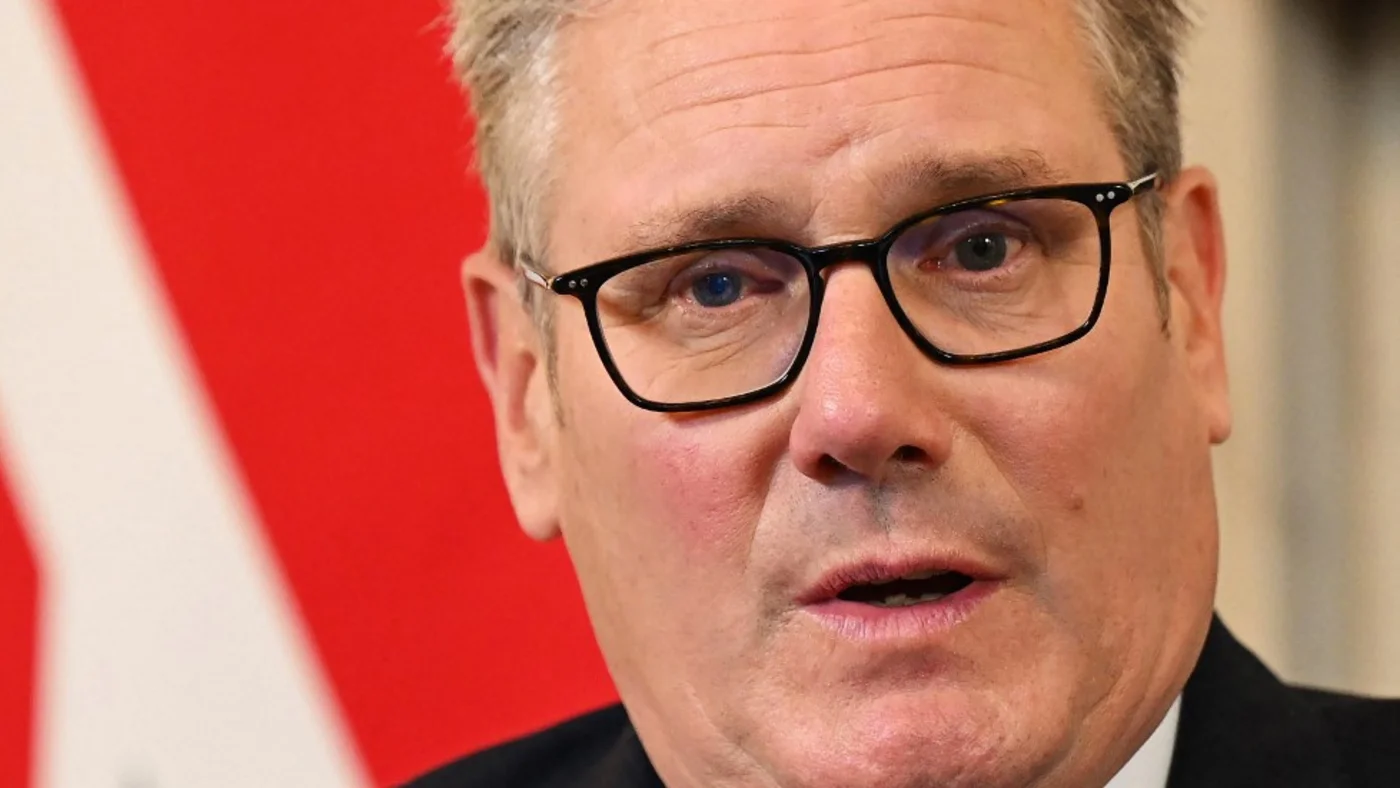
The controversy has also fueled broader political debate within the Labour Party led by Prime Minister Keir Starmer. Critics argue that the cumulative impact of reputational controversies and domestic policy tensions has intensified pressure on the government, though there is no indication that the Epstein files alone triggered the current political difficulties.
Starmer, who secured a strong parliamentary majority in the 2024 general election, has seen his approval ratings decline over recent months amid economic headwinds and contentious policy decisions. Public dissatisfaction has centered primarily on the cost-of-living crisis and fiscal measures introduced by Chancellor Rachel Reeves, some of which required partial reversals after criticism.
Within Labour, internal positioning has become more visible. Deputy leader Angela Rayner and Greater Manchester Mayor Andy Burnham have adopted more distinct policy profiles, while figures associated with former leader Jeremy Corbyn have regained a degree of public platform after years of marginalization.
Beyond Labour, political space on the left has shifted. The Green Party of England and Wales, under co-leader Zack Polanski, has positioned itself as a more radical alternative to Labour on issues including climate policy and foreign affairs. At the same time, independent pro-Gaza candidates and left-leaning campaigners have gained local electoral traction in certain constituencies.
Analysts note that Britain’s political landscape remains fluid. While the Epstein revelations have sharpened scrutiny of elite networks and institutional accountability, broader economic concerns and social pressures continue to drive voter sentiment. The durability of Starmer’s leadership will likely depend less on scandal headlines and more on whether his government can stabilize public confidence on inflation, welfare reform, and foreign policy.
The episode underscores a wider pattern across Western democracies: public trust in political institutions remains fragile, and controversies involving high-profile figures can quickly amplify underlying dissatisfaction. Whether this translates into lasting realignment within British politics remains uncertain, but pressure on established parties from both left and right appears set to continue.