


TOKYO (Realist English). Gender equality in politics remains limited across Japan’s 47 prefectures, according to new research released Sunday that evaluates regional disparities using a local gender gap index published on International Women’s Day.
The study found that political gender equality has stagnated or worsened in several parts of the country. Eight prefectures, including Kanagawa near Tokyo, recorded declines compared with the 2024 results, while many other regions showed little meaningful improvement.
On the index, where a score of 1 represents full equality, Tokyo ranked first for the fifth consecutive year with a score of 0.386. The capital’s position reflects a relatively higher proportion of women serving in metropolitan and local assemblies.
Yamagata and Osaka prefectures shared second place with scores of 0.271, followed by Chiba at 0.258 and Kanagawa at 0.255.
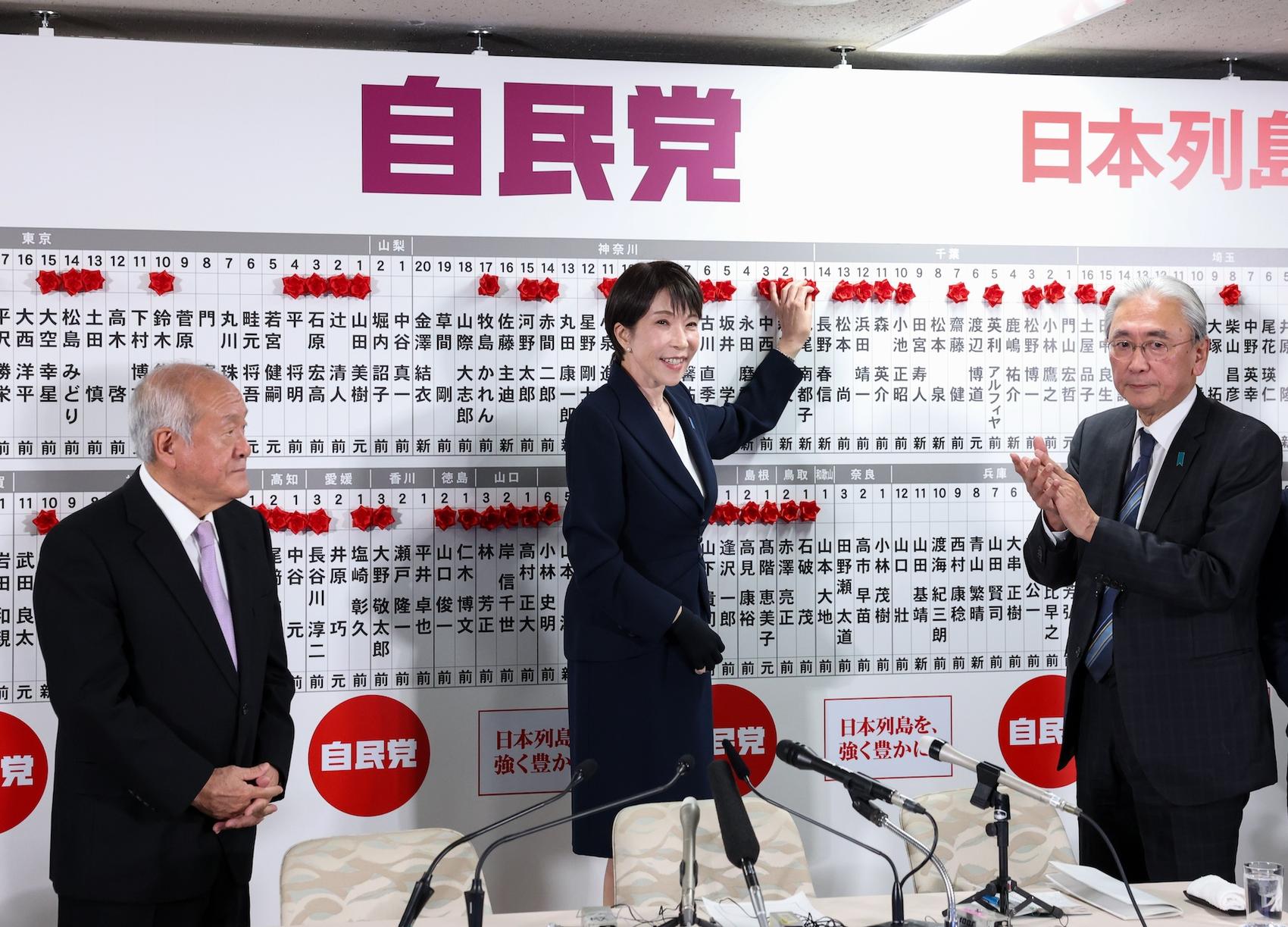
Recent national elections have done little to close the political gender gap. In the House of Representatives election held in February, women accounted for 14.6% of those elected, a decline of 1.1 percentage points compared with the previous general election.
In 16 prefectures, the improvement compared with the 2024 index was extremely small, with score increases of 0.010 or less.
The index also measures gender disparities across three additional areas: public policy, education and economic participation.
Tottori prefecture ranked highest in public policy with a score of 0.514, supported by a relatively balanced distribution of men and women in senior local government positions. Tokushima led in education with a score of 0.730, while Kochi ranked first in economic participation at 0.455.
The index is compiled by a research group called “Achieving Gender Equality From Localities Up!”, which has calculated prefectural gender gap scores since 2022 using around 30 indicators drawn largely from government data. Kyodo News serves as the project’s secretariat.
Mari Miura, a professor at Sophia University’s Faculty of Law who leads the research group, said progress toward equality requires sustained effort.
“Gender equality does not always move forward — sometimes it even moves backward,” she said.
Experts say measuring gender disparities at the regional level provides a clearer picture than national statistics alone.
Caitlin Schmid, a research fellow at the Global Institute for Women’s Leadership at King’s College London, described Japan’s regional gender gap index as an important analytical tool.
According to the World Economic Forum’s 2025 Global Gender Gap Index, Britain ranked fourth globally and the highest among the Group of Seven countries. Japan ranked 118th, the lowest among G7 members.
Schmid noted that both Japan and the United Kingdom are experiencing widening economic and regional inequalities. Tracking gender disparities at the local level, she said, helps identify specific gaps over time and allows governments to design more targeted policies and investment strategies.
Similar regional gender equality indices have recently been introduced in Britain, where researchers have begun measuring gender disparities across local authorities.