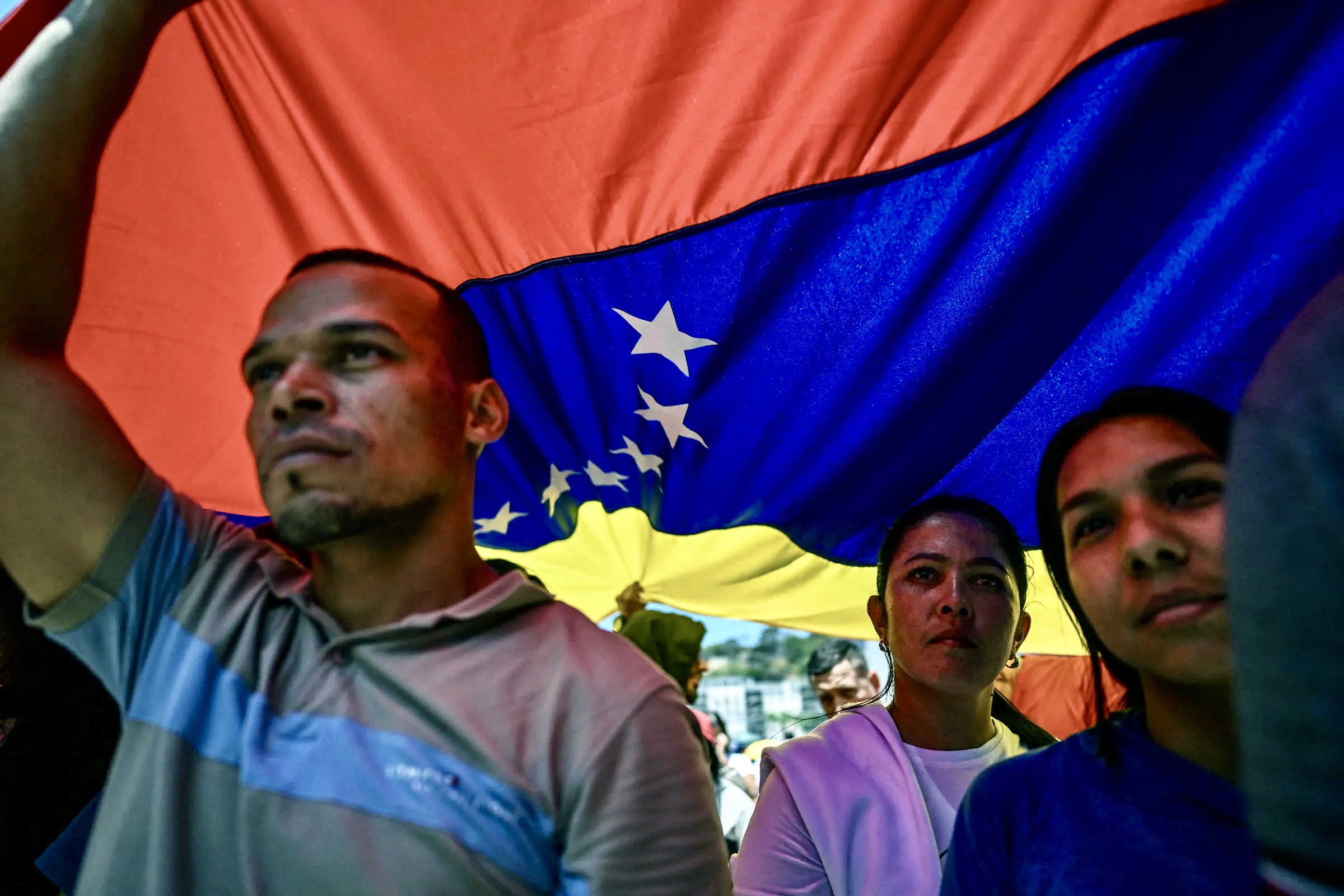
CARACAS (Realist English). When U.S. forces swooped into Caracas in January 2026 and seized President Nicolás Maduro, many Venezuelans inside and outside the country rejoiced. Maduro’s ouster seemed to signal the imminent end of a regime that had for years oppressed and immiserated its people. Thanks to bold U.S. action, a government that had rankled its neighbours and sown instability in the region now appeared destined to fall.
But something peculiar happened. Unusual in the long annals of U.S. intervention in Latin America, this time the United States removed the dictator but kept the dictatorship. In the past, when Washington decided to intervene militarily to remove a regime, it delivered. However, in Venezuela, the US got rid of Maduro but left in place his party and allies. Maduro’s vice president, Delcy Rodríguez, has become the country’s president. Venezuela’s long-suffering opposition now has reason to fear that Washington will do little to advance a meaningful political transition in the country.
‘We have a great situation over there, with a wonderful president Delcy’
As Javier Corrales, a professor at Amherst College, writes in his article for Foreign Affairs, US President Donald Trump is in no hurry to dislodge the old order now that Venezuela under Rodríguez is accommodating Washington’s economic interests. US oil companies have received licences to resume operations in the resource-rich country, and according to the White House, the United States has already received tens of millions of barrels of Venezuelan oil.
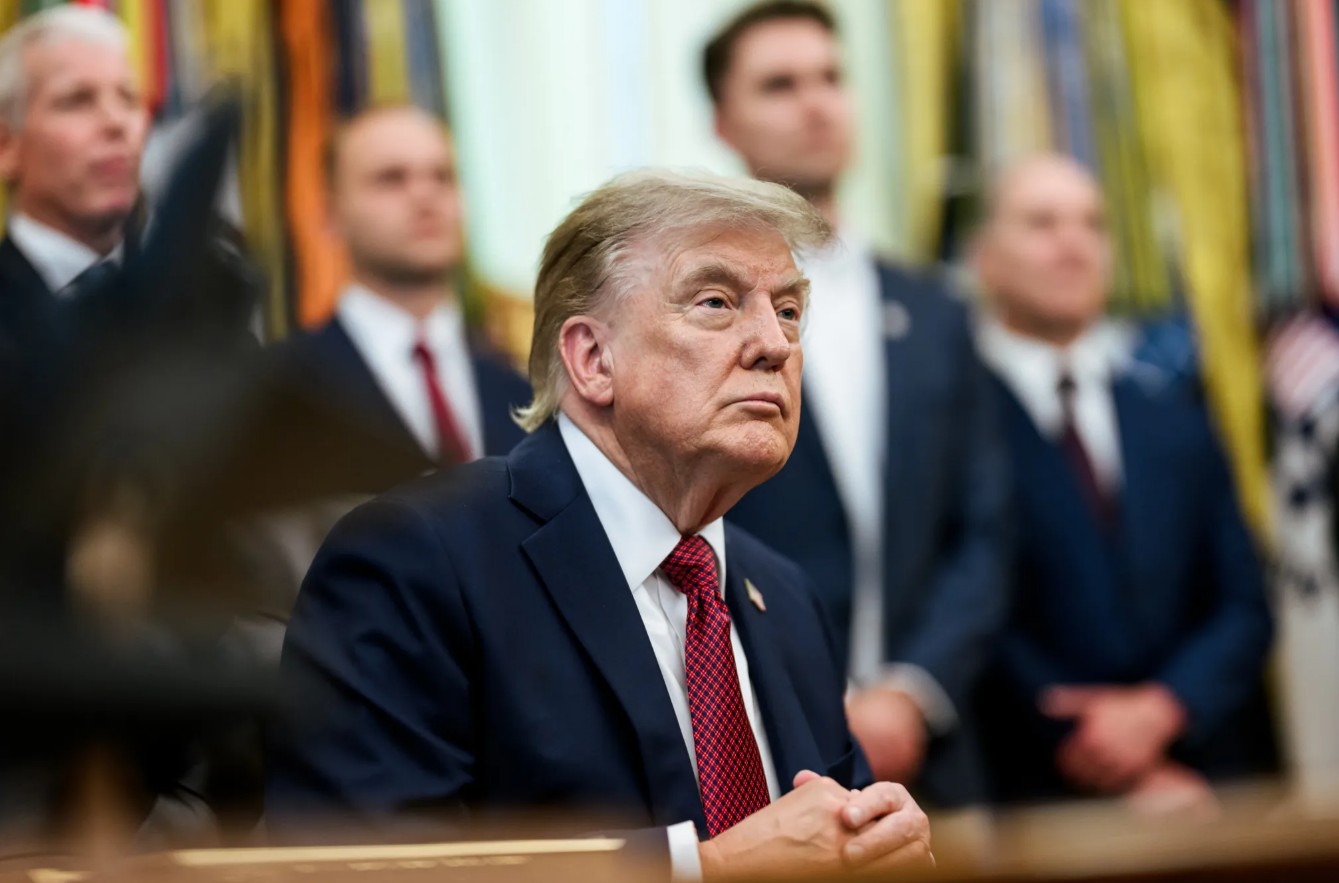
“We have a great situation going over there, with a wonderful president… Delcy,” Trump said in March. “And she is doing a great job, and they are all doing a good job.” That same month, he also welcomed back to the White House the Venezuelan opposition leader and Nobel Peace Prize laureate María Corina Machado, who had come to seek clarity about Trump’s plans for democratisation and a political transition in Venezuela. However, Trump and Secretary of State Marco Rubio offered Machado little in the way of assurances, advising her not to return to Venezuela for the time being.
Democratisation may very well not be on the horizon
Democratisation, according to the author, may very well not be on the horizon. The Trump administration is not prioritising a political transition in Venezuela. The regime in Caracas already insists it is running a democracy. By officially styling Rodríguez as merely an “interim president”, the regime avoids the constitutional requirement of holding an election quickly to find a successor for Maduro. It has offered no timeline for future elections.
Venezuelans could reasonably conclude that although their country’s relationship with the United States has changed, their government’s relationship with its people looks likely to remain the same.
The capture operation: brilliantly executed, but the outcome murky
The operation to capture Maduro was impeccably executed. In a matter of hours, US forces found, captured and whisked away Maduro and his wife without suffering any American fatalities. The United States brushed aside Venezuela’s military defence systems, with Venezuelan officials essentially watching the incursion unfold, unable or unwilling to respond. It was the first overt US military operation against a ruler in Latin America since the 1989 invasion of Panama.
Yet the outcome of the operation was far murkier. The democratic opposition did not surge into the halls of power. Washington kept the dictatorship in place, belying the notion that the central motivation for action in Venezuela was to bring about regime change.
Perestroika without glasnost
According to Corrales, the current arrangement between Washington and Caracas involves liberalising the economy exclusively for the oil and mineral sectors while postponing any meaningful political reform. This might be called a partial perestroika and a delayed glasnost.
“The United States removed the dictator but kept the dictatorship,” the author sums up. The biggest losers, of course, are Venezuela’s democratic forces. Opposition groups across the political spectrum have been reduced to spectators, excluded from negotiations between the regime and US officials and given no clear timeline for the promised transition.
The narrow path to democratisation
Nevertheless, political liberalisation is still possible. Maduro’s removal means the long-awaited end of the regime’s original founders — Hugo Chávez and Maduro. The chances of a country’s democratisation tend to increase when the founders of that country’s dictatorship disappear. The regime’s heirs end up facing forms of internal turmoil and unforeseen incentives that can precipitate political change.
However, those seeking greater democracy and freedom in Venezuela now face another challenge that their predecessors did not: they will likely have little help from the United States. Despite the current unpropitious circumstances, Venezuela could still return to democracy. It would happen slowly, traumatically and most likely as the result of cracks within the dictatorship and continued inventiveness and doggedness on the part of the opposition.
What is the opposition to do?
The opposition could repeat some of the strategies that worked well for it in 2024: participate in elections (even if they appear rigged), encourage electoral unity (even if the opposition is ideologically diverse and fragmented), discourage abstentionism (even if people are tired of voting), and work to monitor the polls (even if that invites the brutality of the state). Through such action, the opposition can push Venezuela towards democracy.
The United States wants Venezuela to be a stable petrostate that could, in time, become a cash cow for US firms. The dictatorship in Venezuela has realised that it can deliver exactly that outcome while keeping the United States from demanding more meaningful change. This arrangement could help the dictatorship stay in power for years to come. It is now up to opposition forces to find ways to pressure both the United States and the regime. No one else is coming to their rescue.