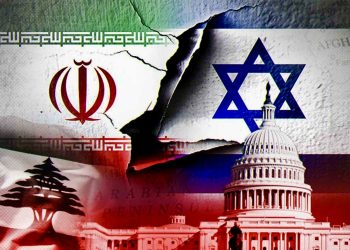


TEHRAN / BEIRUT (Realist English). On the 65th day of the conflict, the negotiation process between the United States and Iran is once again on the brink of collapse.
Despite unprecedented concessions by Tehran, including an agreement to discuss the nuclear file, the positions of the parties remain incompatible.
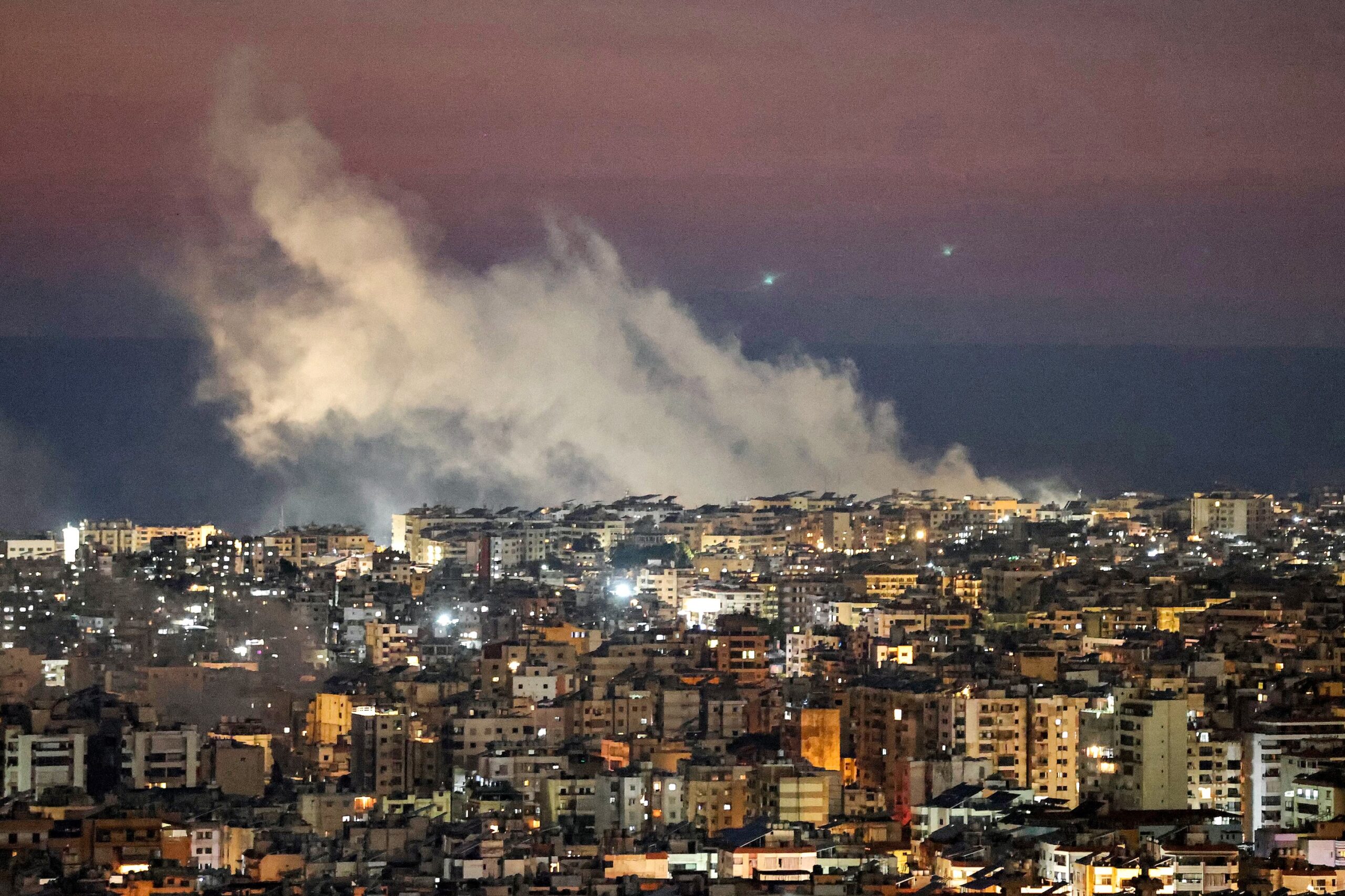
At the same time, escalation on the Lebanese front has reached a new level of intensity: Israeli aviation is striking dozens of targets, while suffering losses from Hezbollah’s new weaponry.
Unprecedented softening of Iran’s position
Citing insider information, the Wall Street Journal reports that Tehran has made key changes to its negotiating position. Iran is now willing to discuss its nuclear programme and may agree to terms regarding the reopening of the Strait of Hormuz.
“It is claimed that Tehran is now ready to resume direct peace talks with Washington without first lifting the blockade of Iranian ports. The Iranian side only wants guarantees that the US Navy will lift it. Moreover, Iran has offered to discuss its nuclear programme during the talks,” the publication writes.
This is a dramatic reversal: previously, the Iranians had made direct talks conditional on the immediate lifting of the naval blockade by the US Navy and had refused to discuss their nuclear potential. However, the White House’s reaction has been cold. “They’re not offering us the deal we need,” President Donald Trump told American journalists.
Positions remain incompatible
Iran’s Supreme Leader, Mojtaba Khamenei, in a statement marking Persian Gulf Day, refused to curtail the missile and nuclear programmes, calling them “national assets” and stating that Iranians would defend them “just as they defend their waters, land and airspace.”
Thus, Tehran’s main “red line” – the right to enrich uranium and maintain its missile arsenal – remains inviolable, even if Iran is willing to discuss these issues. The United States, however, insists on a complete relinquishment of potentially weapons‑usable technologies, negotiating from a position of strength.
Crisis within Iran’s leadership
Trump pointed to another key problem – disagreements within Iran’s leadership. According to the US president, one of the problems remains the lack of a unified position within the Iranian leadership. At the same time, CNN sources reported that behind‑the‑scenes diplomacy is intensive and that the positions of the two sides are “not as far apart as it might seem.”
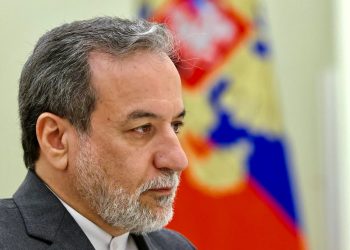
Observers had pinned hopes for progress on the visit of Iranian Foreign Minister Abbas Araghchi to Moscow and St. Petersburg, but following his meeting with Russian President Vladimir Putin, no breakthrough statements were made.
Israel in Lebanon: new tactics, old victims
Against the backdrop of the diplomatic stalemate with Iran, the Israeli army (IDF) continues to intensify its strikes on Lebanon, while facing unexpected challenges.
Massive airstrikes and dozens of casualties
On 1 May, Israeli aircraft carried out massive strikes on the southern provinces of Lebanon. At least 24 civilians were killed (according to initial reports, 9 people, including 2 children and 5 women). In other incidents, another 16 casualties were recorded, including a woman and a child (in the town of Habboosh).
The IDF reported the destruction of 40‑50 Hezbollah targets, including command centres and military installations. The Israel Defence Forces said it had killed hundreds of members of the Shiite group in recent weeks.
First use of fibre‑optic drones
The nature of the war has begun to change. Israeli sources report that Hezbollah has for the first time used new tactics in the north of the country. The group’s fighters successfully attacked the IDF on Israeli territory using a fibre‑optic kamikaze drone.
As a result of the strike on the moshav of Shomera in the Western Galilee, 12 soldiers were wounded. Two are in moderate condition.
“Along the northern border of Israel and Lebanon, Hezbollah is increasingly using small kamikaze drones with fibre‑optic cables that are immune to radio‑electronic jamming,” Israeli military briefings note. Experts acknowledge that this technology, widely used in the war in Ukraine, poses a serious threat to Israeli troops in the border zone with Lebanon.
Prospects for ground operation and disagreements with the US
The IDF also announced that it had taken control of the strategic town of Bint Jbeil in southern Lebanon after heavy fighting. During the operation, Israeli forces killed more than 200 militants. Capturing the town could be a significant achievement for the IDF.
At the same time, President Trump remains unhappy with the actions of his ally. The US leader urged the Israeli prime minister to carry out only “pinpoint” strikes on Lebanon, rather than destroying buildings. “He can’t do that. It’s too awful and makes Israel look bad,” he said, expressing concern over the humanitarian consequences.