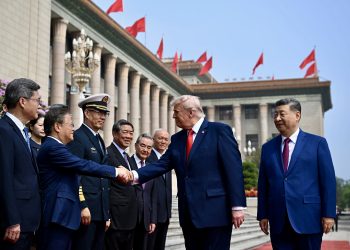


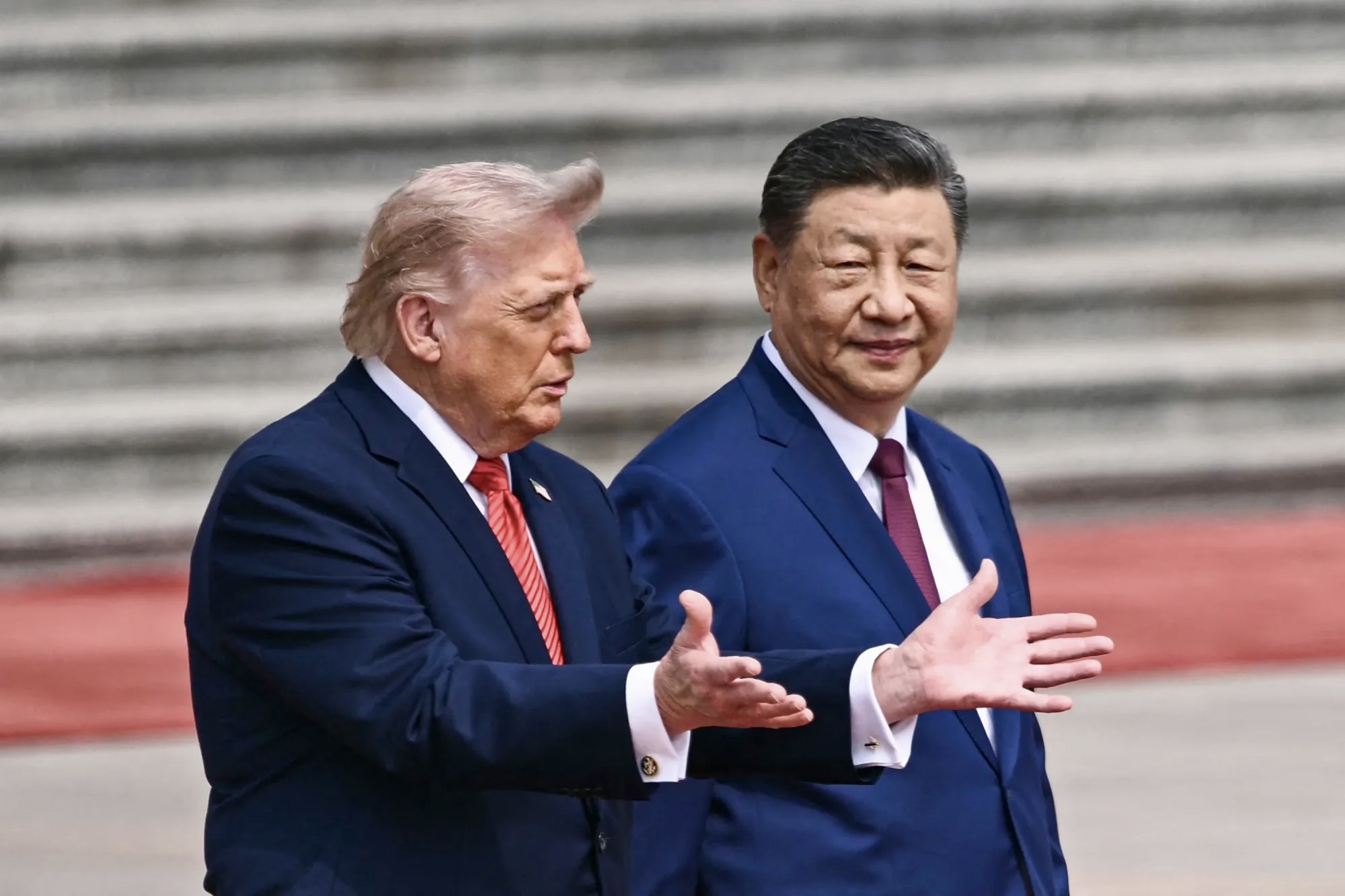
BEIJING (Realist English). Chinese President Xi Jinping raised the central question of the current U.S.-China rivalry during talks with U.S. President Donald Trump: can the world’s two largest powers avoid the so-called “Thucydides Trap” — a scenario in which conflict between a rising power and a dominant power ultimately leads to war.
CNBC reported on the meeting.
The negotiations are taking place in Beijing on May 14–15 and are regarded as one of the most significant U.S.-China summits in recent years. The agenda includes:
- the trade war;
- tariffs;
- Taiwan;
- Iran;
- artificial intelligence;
- export restrictions;
- rare earth supplies;
- security in the Asia-Pacific region.
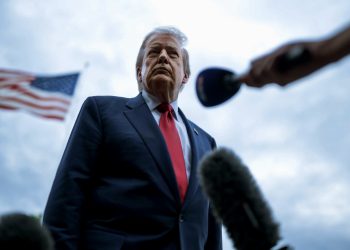
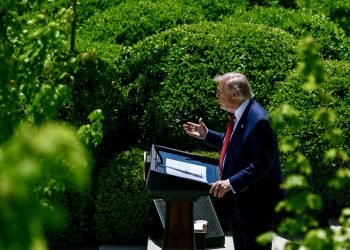
In his opening remarks, Trump stated that relations between the United States and China could become “better than ever before.” The U.S. president also noted that he has known Xi longer than any other American or Chinese president has known their counterparts.
Xi, in turn, emphasized that the entire world is watching the talks. The Chinese leader said the key issue for both countries is whether they can avoid the “Thucydides Trap.”
The term describes a situation in which a rising global power comes into conflict with an established dominant power. The concept was popularized by Harvard professor Graham Allison, who has repeatedly warned about the risk of military confrontation between the United States and China.
Xi also stated that the Taiwan issue remains the most sensitive topic in U.S.-China relations. According to him, mishandling the issue could push bilateral ties into a “dangerous situation.”
Beijing continues to regard Taiwan as part of China, while the island’s authorities reject those claims.
The World Is Closely Watching the Summit
The talks are taking place amid a sharp deterioration in relations between Washington and Beijing in recent years.
This is the first visit by a sitting U.S. president to China in nearly a decade. Since Donald Trump’s previous visit in 2017, tensions between the two countries have intensified significantly:
- trade barriers have increased;
- technological sanctions have expanded;
- military rivalry has intensified;
- tensions around Taiwan have escalated;
- U.S. pressure on Chinese technology companies has grown.
Scott Kennedy, senior adviser at the Center for Strategic and International Studies, stated that China today feels far more confident than during Trump’s first term.
According to him, Beijing feared even moderate tariff increases in 2017, whereas today Chinese authorities have learned to resist Washington’s pressure more effectively.
China became the first major economy to respond with retaliatory measures to the so-called “Liberation Day tariffs” introduced by the Trump administration in April 2025.
Who Is Participating in the Talks
The U.S. delegation includes:
- Secretary of State Marco Rubio;
- Tesla and SpaceX CEO Elon Musk;
- Apple CEO Tim Cook;
- Nvidia CEO Jensen Huang;
- U.S. Defense Secretary Pete Hegseth.
The Chinese delegation includes:
- Foreign Minister Wang Yi;
- Chairman of the National Development and Reform Commission Zheng Shanjie;
- Chinese Defense Minister Dong Jun.
Main Areas of Tension Between the U.S. and China: Trade War and Tariffs
One of the central issues remains the trade confrontation.
The Trump administration continues to accuse China of:
- massive industrial subsidies;
- pushing foreign competitors out of markets;
- violating free market principles;
- using industrial policy for global dominance.
Washington argues that China has transformed state economic support into a tool of strategic expansion — from solar panels and batteries to artificial intelligence and rare earth metals.
U.S. tariffs on Chinese goods remain one of the main sources of tension. At the same time, some of the Trump administration’s tariff measures are already being challenged in American courts.
China, for its part, is demanding:
- tariff reductions;
- easing of export restrictions;
- relief from sanctions pressure;
- broader access to American technologies.
Taiwan and Military Rivalry
Taiwan remains the most dangerous flashpoint between the two powers.
China demands:
- an end to U.S. arms sales to Taiwan;
- a rejection of support for Taiwanese independence;
- limits on the U.S. military presence in the region.
The United States views Taiwan as a crucial partner in the Indo-Pacific region and a key center for semiconductor production.
Beijing is also irritated by:
- U.S. military exercises;
- missile deployments to American allies;
- Washington’s cooperation with Japan, the Philippines, and Australia;
- U.S. naval activity in the South China Sea.
Iran and Russia
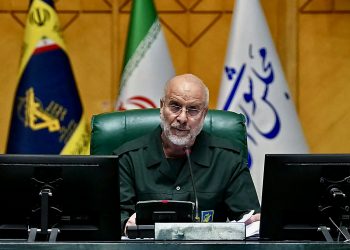
Washington is also attempting to persuade China to use its influence over Iran and Russia.
The Trump administration hopes to:
- pressure Tehran through Beijing;
- secure oil supply routes;
- prevent further escalation in the Middle East.
At the same time, the United States continues to accuse China of:
- supplying dual-use technologies to Iran;
- circumventing sanctions;
- supporting Russian economic ties.
For China, Iran and Russia remain important strategic partners in its broader confrontation with the West.
Business and Technology
Another major topic of the summit is the treatment of American companies in China.
Washington is concerned about:
- tighter Chinese control over foreign businesses;
- restrictions on Western companies;
- investigations targeting foreign technology corporations;
- pressure on international AI firms.
Particular attention is being paid to artificial intelligence and the race for technological leadership.
The United States is attempting to limit China’s access to:
- advanced chips;
- supercomputers;
- AI systems;
- high-tech equipment.
China sees such policies as an attempt to contain its development.
The Outcome of the Talks Could Affect the Entire World
Analysts emphasize that the summit could shape the global political and economic order for years to come.
Relations between the United States and China directly affect:
- global trade;
- technology markets;
- commodity prices;
- global logistics;
- investment flows;
- the stability of the international financial system.
Despite ongoing rivalry, both sides are attempting to prevent tensions from escalating into an open confrontation between the world’s two largest powers.